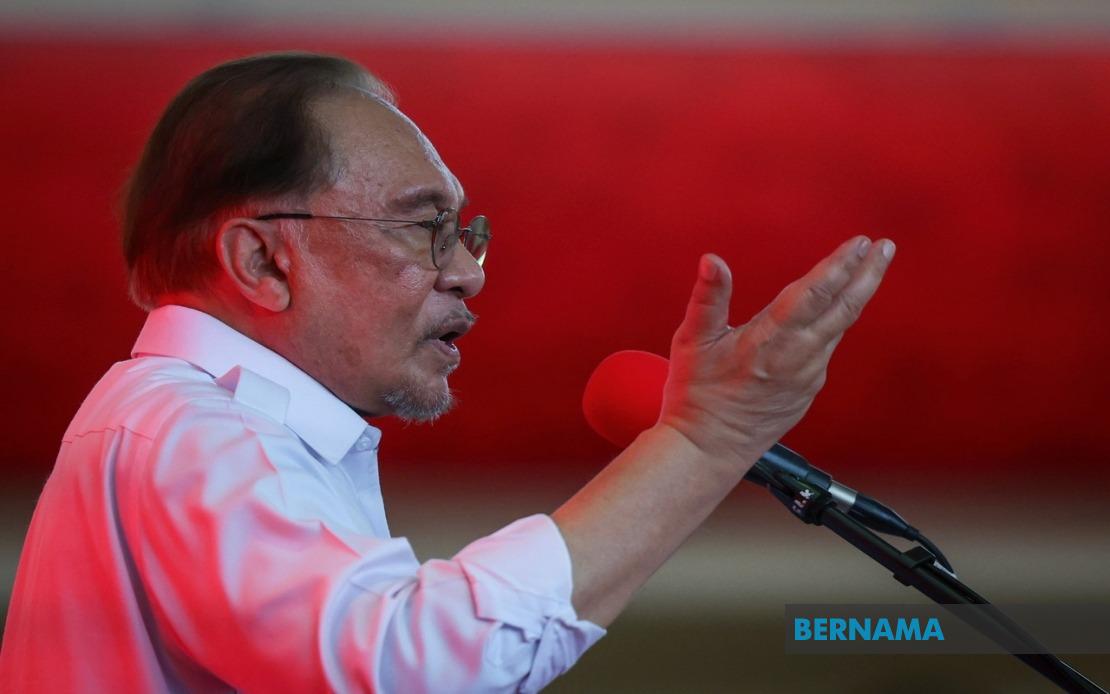
The Cabinet will make a final determination on Wednesday regarding the public release of the Royal Commission of Inquiry report into Lembaga Tabung Haji, according to Prime Minister Datuk Seri Anwar Ibrahim. The decision comes after sustained pressure from parliamentarians and civil society groups demanding transparency around the findings of the inquiry, which has examined allegations surrounding the sale of the pilgrimage fund's strategic assets and potential financial irregularities.
Anwar stated that the matter would feature prominently in the weekly Cabinet meeting, where ministers would deliberate on the appropriate course of action. The Prime Minister emphasised the principle of public accountability, suggesting that transparency should prevail unless there are legitimate reasons for withholding the report. His remarks signal a potential shift toward greater openness, though the formal Cabinet decision remains pending.
The Tabung Haji inquiry has become a significant political and administrative matter in Malaysia, touching on governance concerns that resonate with both religious institutions and ordinary Malaysians who depend on the fund for their pilgrimage expenses. The Royal Commission was established to investigate serious questions about asset management and potential misconduct, making the report's contents a matter of considerable public interest. For pilgrims and their families, many of whom have contributed savings to the fund over decades, the findings could have direct implications for the organisation's future credibility and financial stability.
Anwar's public positioning on the issue reflects a deliberate approach to institutional accountability. He articulated a clear separation of powers philosophy, noting that his role as Prime Minister does not extend to prosecuting individuals or determining guilt—those responsibilities lie with investigating authorities and the courts respectively. This framing seeks to insulate the government from accusations of political interference while simultaneously advocating for public access to the inquiry's conclusions. The distinction underscores his administration's stated commitment to rule of law and institutional independence.
The delay in releasing the report has sparked considerable debate within Malaysian political circles and among civil society organisations focused on governance reform. Previous statements from Anwar indicated openness to disclosure, but procedural questions about Cabinet approval and the consultation with the Chief Secretary to the Government have prolonged the timeline. This latest announcement suggests those bureaucratic hurdles may finally be resolved, though the specific contents of the report and any recommendations for prosecutions remain undisclosed.
Tabung Haji occupies a unique position within Malaysia's institutional landscape as both a financial institution and an Islamic religious organisation. The fund manages billions in ringgit and has millions of contributors across the country. Concerns about asset management therefore extend beyond typical corporate governance matters to encompass questions about stewardship of Muslim community resources. The transparency debate reflects broader discussions within Malaysia about institutional accountability and the balance between confidentiality and public disclosure in government inquiries.
From a Southeast Asian perspective, Malaysia's handling of the Tabung Haji matter carries broader implications for regional governance standards. The region has increasingly adopted transparency frameworks and accountability mechanisms in response to public demand and international governance benchmarks. How Malaysia resolves this particular inquiry could influence expectations across ASEAN nations regarding institutional responsiveness and the publication of official investigative reports.
The composition of officials present during Anwar's remarks—including Chief Secretary Tan Sri Shamsul Azri Abu Bakar and senior defence representatives—suggests the matter has attained cross-departmental significance. The gathering indicates coordination at the highest levels of government administration, reflecting the political sensitivity surrounding both the report's contents and the decision over its release. Such high-level attention underscores recognition that the inquiry findings could trigger cascading administrative and legal consequences.
For Malaysian citizens and institutional observers, Wednesday's Cabinet meeting represents a potential watershed moment in the Tabung Haji saga. The decision to release or withhold the report will send powerful signals about the government's commitment to transparency in public institutions. Should the Cabinet approve disclosure, it would mark a significant statement about institutional accountability. Conversely, any decision to restrict publication would require robust justification and likely provoke continued scrutiny from parliamentary oversight bodies and civil society groups monitoring governance standards.
The political implications of this decision should not be underestimated. Tabung Haji impacts millions of Malaysian Muslim households who rely on the institution for pilgrimage financing and investment returns. Public confidence in the fund's management directly affects its operational viability and the willingness of new contributors to participate. Transparency around any misconduct, mismanagement, or systemic failures becomes essential for restoring faith in institutional leadership and preventing future irregularities. The Cabinet's Wednesday decision will therefore carry consequences extending far beyond administrative procedure into the realm of public trust and institutional legitimacy.

