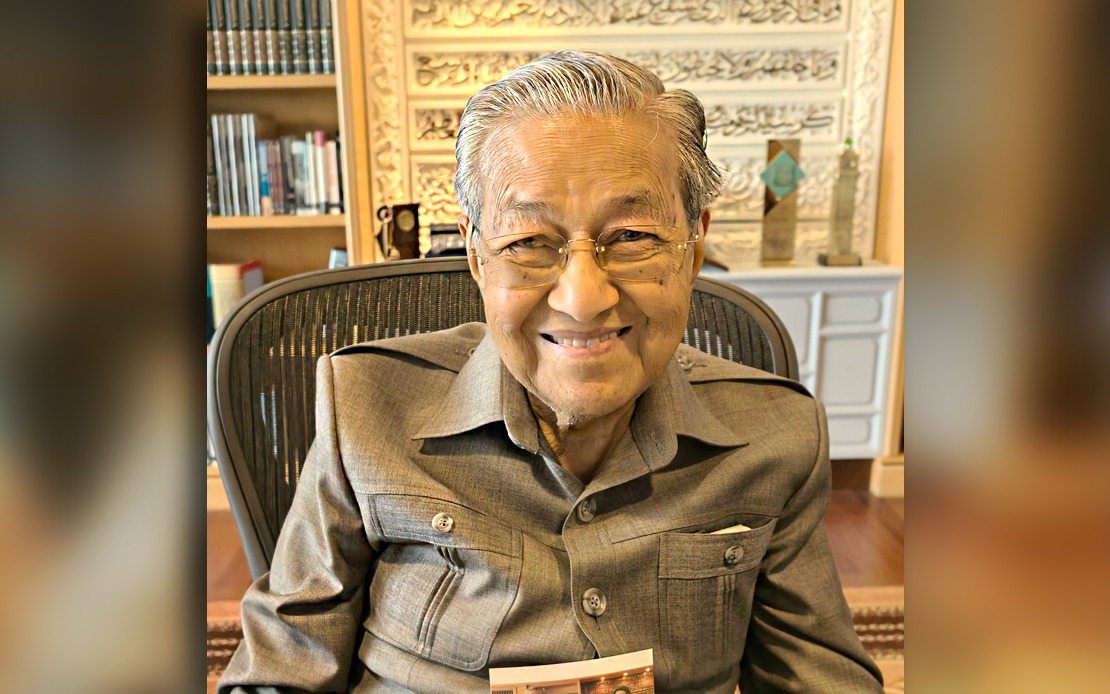
Several members of Malaysia's Cabinet have publicly marked the 101st birthday of former Prime Minister Tun Dr Mahathir Mohamad, with senior government figures taking to social media to extend their warm regards to the elder statesman. The birthday celebrations underscore the ongoing respect commanded by Dr Mahathir within the country's political establishment, despite the controversies and divisions that have characterised Malaysian politics in recent years.
Communications Minister Datuk Fahmi Fadzil shared a Facebook message on July 10 expressing hopes that Dr Mahathir would continue to enjoy good health and happiness in his advanced years. Fahmi's public acknowledgment reflected a broader sentiment among Cabinet colleagues, who have similarly used official platforms to recognise the significance of the milestone being reached by one of Malaysia's most consequential political figures.
Joining Fahmi in extending birthday greetings was Datuk Seri Azalina Othman Said, who serves as Minister in the Prime Minister's Department with responsibility for Law and Institutional Reform. Azalina echoed similar sentiments, invoking religious blessings and prayers for Dr Mahathir's continued good health. Higher Education Minister Datuk Seri Dr Zambry Abd Kadir similarly participated in the public well-wishing, demonstrating a coordinated acknowledgment of the occasion across different portfolios within the current administration.
The convergence of birthday wishes from multiple Cabinet ministers carries particular significance given the fractious nature of Malaysian politics. Dr Mahathir's own political journey has been marked by dramatic reversals of fortune, coalition shifts, and public disputes with former allies. Yet the bipartisan nature of the birthday greetings—emerging from ministers across different political backgrounds—suggests that respect for his historical contributions transcends contemporary partisan divisions.
Dr Mahathir's tenure as Prime Minister was transformative for Malaysia in multiple respects. Born on July 10, 1925, in Alor Setar, Kedah, he first became Prime Minister in 1981 and governed the nation until 2003, serving for 22 years during which Malaysia underwent significant economic and infrastructural development. His administration oversaw major projects including the Petronas Twin Towers and the construction of extensive highways, while also pursuing policies aimed at industrialisation and economic diversification away from dependence on primary commodities.
After stepping down in 2003, Dr Mahathir remained a prominent political figure, though often operating from outside formal government. His return to the office of Prime Minister in 2018 at the age of 92 marked an extraordinary political comeback that captured global attention. This reappointment not only returned him to the nation's highest political office but also earned him international recognition as the world's oldest serving prime minister—a distinction that highlighted both his remarkable longevity and the unusual political circumstances that necessitated his return.
Dr Mahathir's second tenure as Prime Minister, which lasted until 2020, proved considerably shorter than his first stint, reflecting the volatile nature of coalition politics in Malaysia during this period. Nevertheless, his willingness to return to active politics at an age when most would have retired demonstrated the political capital and influence he retained within the Malaysian system. His reappointment also underscored how significant historical and political figures remain relevant to contemporary governance even when no longer in office.
The reaching of his 101st birthday places Dr Mahathir among a select group of former national leaders who have attained such advanced age while remaining relatively engaged with public affairs. His longevity has allowed him to witness the evolution of Malaysia over nearly a century, from the colonial period through independence and into the modern era. This historical perspective has made him a frequent commentator on Malaysian politics and society, lending weight to his observations about the nation's trajectory.
The Cabinet ministers' public acknowledgment of Dr Mahathir's birthday also reflects broader cultural and political values within Malaysia that emphasise respect for elders and recognition of historical contributions to the nation's development. In a society where age is traditionally venerated, reaching the age of 101 carries particular symbolic weight, and public figures have seized the opportunity to acknowledge both the personal achievement and the historical significance of the milestone.
Looking forward, Dr Mahathir's continued visibility and the respect shown toward him by the current Cabinet suggest that former prime ministers retain considerable soft power within Malaysia's political system. The fact that serving ministers felt compelled to publicly honour his birthday indicates that figures who have shaped the nation's recent history continue to command attention and deference, even when they no longer hold formal power. This dynamic reflects certain characteristics of Malaysian politics where senior statesmen often maintain influence beyond their official tenures.

