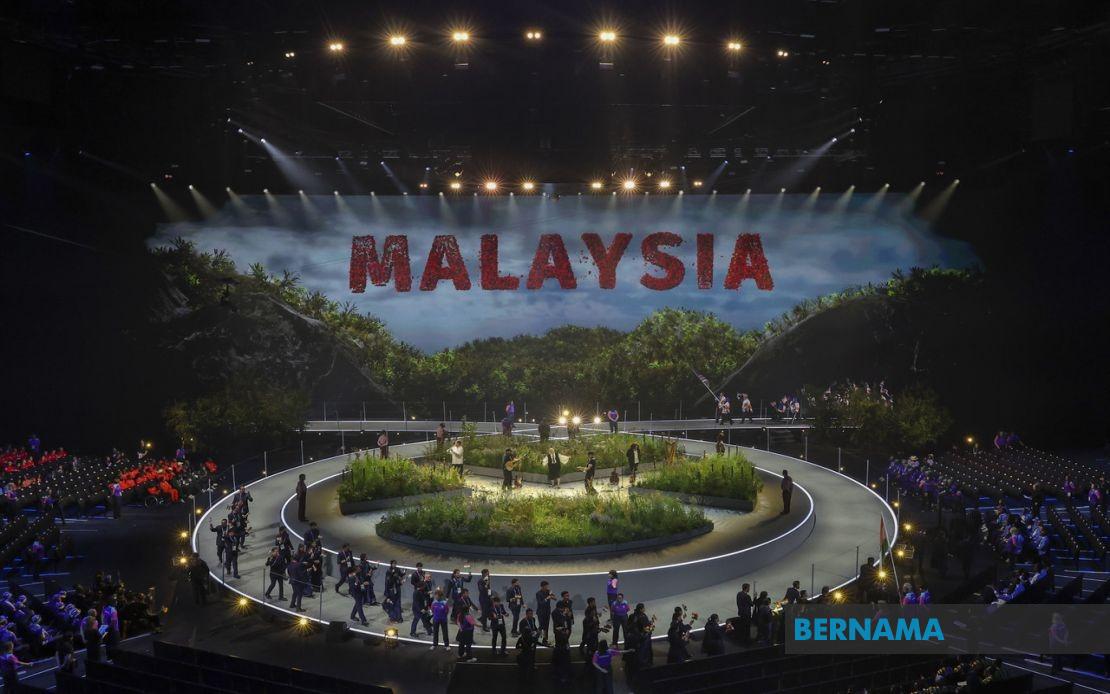
Malaysia's Cabinet has formally acknowledged the exceptional performance of the national sporting contingent at the Glasgow 2026 Commonwealth Games, marking a significant moment of national pride. Communications Minister Datuk Seri Fahmi Fadzil, speaking as MADANI Government spokesman, conveyed the Cabinet's congratulations during a post-Cabinet press conference at Putrajaya on August 5, emphasising that the athletes' accomplishments reflect positively on the nation's sporting prowess on the global stage.
The Malaysian team's haul of eight gold, three silver, and five bronze medals represents a decisive triumph over the initially set target of five gold medals, demonstrating the depth of talent within the national sports system. This performance stands out as a watershed moment in Malaysia's Commonwealth Games history, rivalling the nation's previous benchmark achievement of twelve gold medals secured during the New Delhi 2010 edition. The margin by which the contingent exceeded its objectives underscores improved preparation, athlete development, and strategic investment in high-performing sports disciplines.
Fahmi stressed that the Cabinet views these results not merely as a collection of medals, but as a catalyst for sustaining momentum in Malaysian sport. He articulated the government's perspective that such international success generates tangible inspiration for emerging athletes and reinforces the competitive culture necessary for continued excellence. The minister's remarks reflect a broader policy approach within the MADANI administration of leveraging athletic achievements to galvanise public interest and participation in sporting endeavours across the nation.
The financial recognition of this performance comes through the Sports Victory Incentive Scheme, commonly known as SHAKAM, which channelled RM1.1 million in rewards to athletes who delivered results exceeding official expectations. This monetary acknowledgement serves a dual purpose within Malaysia's sports ecosystem: it provides immediate material recognition to medal winners whose sacrifices and dedication have yielded tangible returns, whilst simultaneously signalling government commitment to rewarding excellence and encouraging similar performances in future international competitions.
Glasgow 2026 assumes particular significance within the Commonwealth Games calendar as it represents Malaysia's competitive standing among nations sharing historical and cultural ties through the Commonwealth framework. The Games provide a crucial testing ground for Malaysian athletes ahead of more prestigious competitions, offering opportunities to compete against established sporting nations whilst validating the effectiveness of domestic training programmes and coaching methodologies. Success in such tournaments strengthens Malaysia's credential as a serious sporting nation within the region and globally.
For Southeast Asian readers, Malaysia's strong showing carries broader implications beyond medal counts. The region's sporting development hinges partly on individual nations demonstrating consistent international competitiveness, which elevates the profile of Southeast Asian athletics generally and encourages resource allocation and talent development across comparable economies. Malaysia's success becomes a regional reference point for what sustained investment and organised sports management can achieve.
The Cabinet's formal endorsement of the athletes' achievements reflects governmental understanding that sports serve as important vehicles for national identity and soft power projection. In an era where international standing encompasses cultural, diplomatic, and athletic dimensions, medals won by Malaysian competitors contribute to national narrative and international perception. The government's public recognition through official statements amplifies this symbolic value beyond the immediate sporting context.
The comparison to the New Delhi 2010 performance, where Malaysia captured twelve gold medals, frames the Glasgow 2026 results within a longer historical trajectory. Whilst the current gold medal count falls below that previous benchmark, contextual analysis reveals that the overall medal tally of sixteen medals represents a more balanced and perhaps more sustainable achievement profile. The distribution across gold, silver, and bronze suggests competitive depth across multiple disciplines rather than concentration in a narrow range of sports.
Looking forward, the SHAKAM scheme's activation demonstrates institutional readiness to scale incentive structures according to performance outcomes. This approach aligns with contemporary best practices in sports management globally, where financial rewards correlate directly with medal achievement, thereby creating clear performance metrics and motivation systems. For Malaysian athletes, the availability of such incentives reinforces that international success translates into tangible benefits, enhancing the attractiveness of professional sporting careers.
The Cabinet's response also indicates governmental attention to athlete welfare and recognition beyond the immediate competition period. Post-Games acknowledgement through official channels ensures that the contingent's sacrifice and effort receive appropriate national validation, contributing to athlete morale and retention within high-performance systems. This institutional memory and formal recognition become increasingly important as Malaysia competes with other nations for talented individuals who might otherwise pursue alternative career pathways.
The Glasgow 2026 Commonwealth Games outcome positions Malaysia advantageously for upcoming major sporting events within the Asian calendar and beyond. Demonstrated competitiveness at Commonwealth level provides confidence and momentum that can translate into preparedness for regional competitions and global championships. The athletes who performed successfully in Glasgow establish themselves as proven international competitors, potentially anchoring future delegation selections and mentoring emerging talents.
For Malaysian policymakers monitoring sporting investments and athlete development initiatives, the Glasgow 2026 results offer empirical validation that current approaches yield measurable returns. The Cabinet's formal recognition signals that sustained public sector engagement with sports development produces outcomes worthy of national celebration and continued financial commitment. This positive reinforcement cycles back into the system, justifying ongoing investment in training facilities, coaching expertise, and athlete support services that enabled the Glasgow contingent's success.

