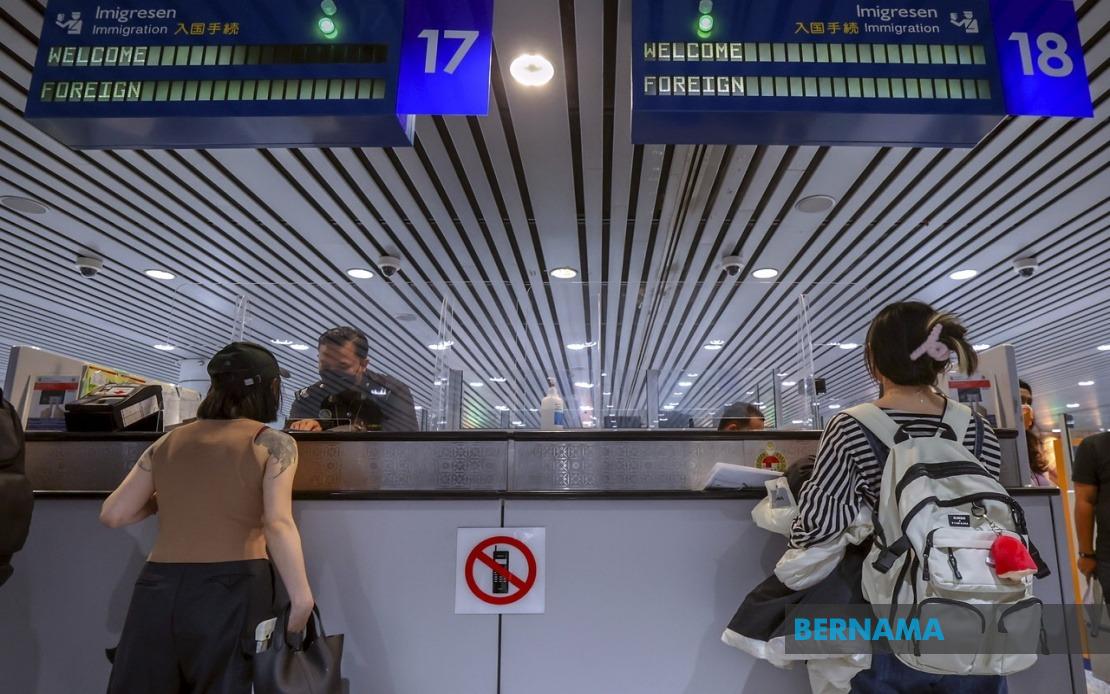
The Malaysian Cabinet has given formal approval to a sweeping security overhaul affecting Kuala Lumpur International Airport and all international gateways across the country, with the Home Ministry and Ministry of Transport jointly advancing 17 recommendations designed to tighten controls over screening procedures and risk assessment mechanisms. The joint memorandum, presented to Cabinet members yesterday, establishes a phased implementation strategy that balances immediate interventions with longer-term structural improvements to how Malaysia manages the flow of people and cargo through its borders.
The government's decision to pursue this comprehensive approach reflects growing concern about vulnerabilities in Malaysia's border security infrastructure, highlighted by a series of high-profile incidents that have exposed gaps in existing protocols. Most notably, authorities in Indonesia arrested a Malaysian pilot carrying approximately 25 kilograms of MDMA at Soekarno-Hatta International Airport, an incident that triggered urgent reassessment of how personnel with access to sensitive airport areas are vetted and monitored. This case, combined with other security breaches and the involvement of Malaysian nationals in drug smuggling operations across the region, prompted a fundamental review of the systems supposed to prevent such occurrences.
Immediate action centres on six priority measures scheduled for rapid deployment as quick-win interventions to fortify existing security infrastructure. The first involves implementing risk-based targeted screening that goes beyond routine procedures, focusing enhanced inspections on flights, passengers, crew members and baggage flagged as presenting elevated risk through intelligence and behavioral indicators. This approach recognises that security resources are finite and must be concentrated where intelligence assessment identifies genuine threats, rather than applied uniformly across all travelers and cargo.
The second immediate initiative addresses workforce security through the e-Vetting and access control framework, which will examine and strengthen how the government screens individuals requiring entry to restricted airport areas. This encompasses pilots and cabin crew, airline administrative staff, ground handling personnel, airport operators, vendors, contractors and other workers whose positions grant them proximity to critical infrastructure or aircraft. The existing access control system will be subjected to comprehensive review and strengthening to ensure that background checks, credential verification and ongoing monitoring meet contemporary security standards.
Drug screening protocols for aviation personnel constitute the third priority measure, requiring enhanced implementation of pre-employment testing, periodic health checks and randomised screening for pilots, flight attendants and related staff. The rationale is straightforward: individuals with direct access to aircraft represent potential vectors for smuggling operations, and systematic drug testing creates both a deterrent and detection mechanism. The remaining three immediate actions focus on expanding the visible security presence at airports, establishing formal mechanisms for sharing intelligence between security agencies, and creating a dedicated Home Ministry-Transport Ministry Technical Committee to oversee implementation and coordinate between departments.
Beyond these six immediate steps lies a more expansive medium-term strategy emphasising technological advancement and human resource development. The government recognises that sustainable security improvements require investment in modern detection equipment, enhanced surveillance systems and personnel training that equips security officers with skills to identify emerging threats and patterns. This phase acknowledges that Malaysia's aviation sector cannot remain static while organised crime networks and smuggling operations continuously adapt their methods and techniques.
The long-term vision involves comprehensive system transformation focused on information sharing between agencies and establishing governance frameworks that prevent the kind of bureaucratic siloing that historically allowed security gaps to persist. Rather than individual departments operating independently with separate databases and communication protocols, the government intends to create integrated systems where intelligence flows between the Home Ministry, transport authorities, customs agencies and other relevant bodies. This represents a significant shift from compartmentalised approaches that sometimes left one agency unaware of concerns identified by another.
KLIA will serve as the pilot location for implementing these recommendations, a logical choice given its status as Malaysia's primary international aviation hub and its symbolic importance as the nation's premier gateway. The phased rollout to other international entry points—including secondary airports, seaports and land borders—will proceed based on assessed threat levels, operational capacity and specific circumstances at each location. This graduated approach avoids overwhelming the system with simultaneous implementation across dozens of sites while allowing lessons learned at KLIA to inform deployment elsewhere.
The government has explicitly committed to implementing these security measures in ways that respect individual rights, protect personal data and maintain the confidence of the aviation industry and traveling public. This emphasis reflects awareness that excessive or poorly designed security measures can create inefficiencies, damage Malaysia's reputation as a travel destination and invite business losses as airlines and passengers seek alternatives. The Home Ministry and Transport Ministry have signalled their intention to proceed with professionalism and legal compliance, conscious that security improvements imposed arbitrarily or without proper oversight can undermine the legitimacy of border control systems.
Speaking for the MADANI government, spokesman Datuk Seri Fahmi Fadzil confirmed that Cabinet had approved the comprehensive entry point control plan for immediate action, underscoring the administration's priority on border security. The decision arrives amid regional concerns about transnational smuggling networks and the involvement of aviation professionals in drug trafficking operations. For Malaysia, strengthening KLIA and international entry points carries implications beyond domestic security, affecting the country's standing in regional and global aviation governance bodies that assess member states' capacity to prevent security breaches and maintain passenger safety.
The security enhancement programme reflects Malaysia's determination to address documented vulnerabilities before they generate international criticism or regulatory sanctions from aviation authorities. Countries perceived as maintaining weak border controls risk downgraded security ratings that can influence airlines' operational decisions and traveller confidence. By acting proactively through this 17-point plan, Malaysia signals to international stakeholders and the aviation industry that the government takes border integrity seriously and possesses the institutional capacity to manage complex security challenges effectively and proportionately.

