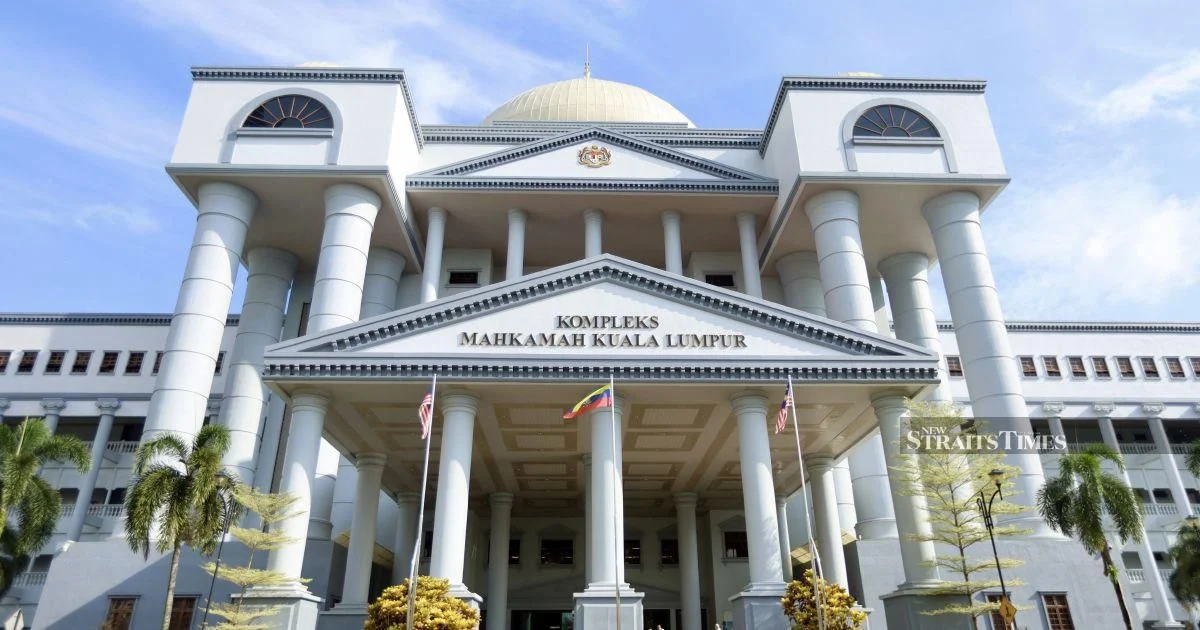
Kuala Lumpur will see another high-profile defamation case proceed through its court system as businesswoman Sofia Rini Buyong prepares to make her appearance before a magistrate tomorrow to answer charges related to an alleged defamatory statement. The case adds to an increasing number of criminal defamation matters being pursued through Malaysia's legal framework in recent times.
Defamation cases in Malaysia operate under both civil and criminal provisions, with criminal defamation carrying potential imprisonment and fines. The distinction between these routes matters significantly for defendants, as criminal charges carry more severe consequences than civil suits. Such proceedings typically arise when statements made publicly are deemed to have caused harm to a person's reputation or character.
Malaysia's defamation laws have become increasingly active in recent years, reflecting broader concerns about the spread of false or damaging statements through traditional and digital media platforms. The rise of social media has expanded the potential for defamatory statements to reach wider audiences, making the enforcement of these laws a contentious issue among legal practitioners, civil society, and media observers across the region.
For Malaysian business professionals, such cases underscore the importance of exercising caution when making public statements about competitors, business partners, or individuals in their industry. The consequences of missteps can extend beyond financial penalties to include reputational damage and legal costs that can strain operations. Many businesses have consequently begun implementing stricter communication protocols and legal review processes before public statements.
The magistrate's court system handles a significant portion of criminal matters in Malaysia's judicial hierarchy. These courts typically serve as the first port of call for criminal proceedings, with magistrates determining whether sufficient evidence exists to proceed with formal charges. Such appearances often involve bail applications, plea negotiations, and preliminary hearings before cases potentially advance to higher courts if necessary.
Defamation cases also highlight the tension between freedom of speech and protection of individual reputation in Malaysia's legal system. While the right to express oneself is valued, the law recognizes that unsubstantiated or malicious statements can cause genuine harm. Courts must balance these competing interests when evaluating defamation claims, a responsibility that requires careful consideration of context, intent, and public interest considerations.
International perspectives on defamation law vary considerably, with some jurisdictions placing greater emphasis on free speech protections and others prioritizing reputation protection. Malaysia's approach reflects its own legal tradition and constitutional framework, though comparisons with neighbouring Southeast Asian countries reveal different thresholds and approaches to determining what constitutes defamatory speech.
For the broader business community in Malaysia, this case serves as a reminder of the legal landscape surrounding corporate communications. Companies operating in competitive industries must remain vigilant about ensuring that their marketing materials, press releases, and public statements are factually accurate and cannot be reasonably construed as attacking competitors unfairly. Legal teams are increasingly consulted before major public communications to mitigate risk.
The case also has implications for digital media and content creators throughout Malaysia and the region. Bloggers, social media influencers, and online publishers have faced an increasing number of defamation claims as their content reaches larger audiences. Understanding the boundaries of acceptable commentary versus actionable defamation has become essential knowledge for anyone publishing content online.
Criminal defamation charges differ from civil defamation suits in significant ways, and the decision to pursue the criminal route rather than seeking damages through civil courts suggests the accuser believes the statements in question were particularly serious or harmful. Criminal proceedings involve the state as the prosecuting authority rather than being a matter between private parties, lending them greater formal gravity.
The hearing tomorrow will likely determine initial procedural matters and potentially address questions about jurisdiction, bail conditions, and the nature of the specific allegations. Early court appearances often involve technical and administrative matters rather than substantive examination of the defamation claim itself, with deeper examination of evidence and arguments typically occurring at later stages of the process.
Legal observers across Malaysia will be monitoring how this matter develops, particularly given ongoing discussions about defamation law reform and its application in modern contexts. The case reflects broader questions about how traditional legal frameworks apply to contemporary communication methods and the balance required between protecting reputation and preserving legitimate expression. Sofia Rini Buyong's court appearance tomorrow marks the beginning of what could be a lengthy legal process.

