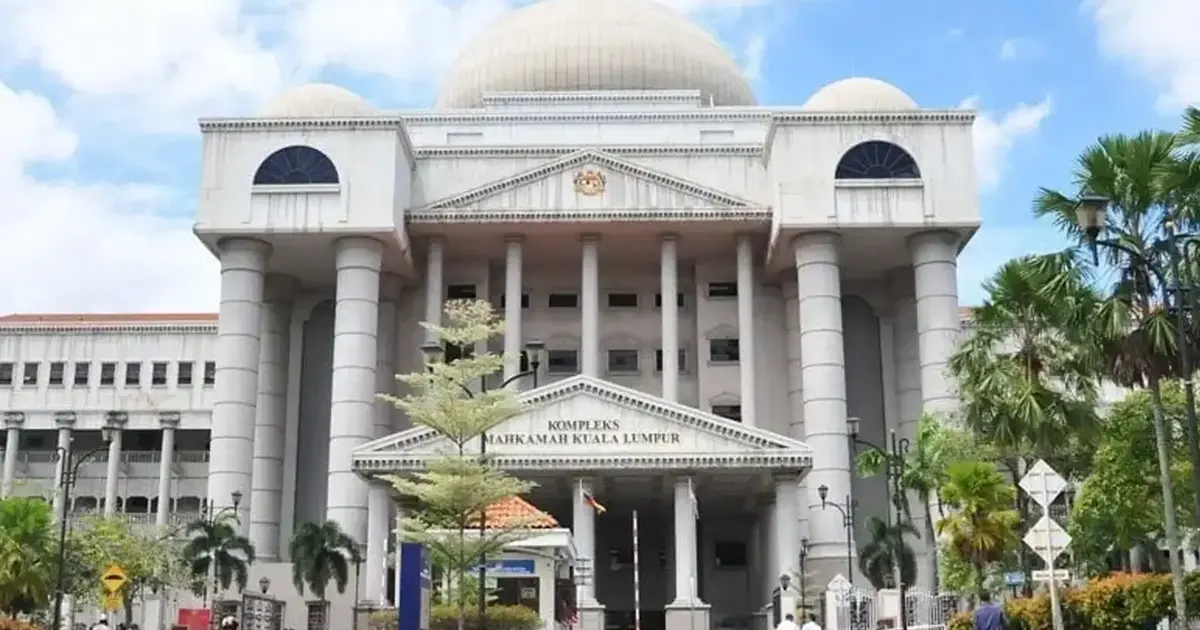
A High Court has ruled in favour of businessman Yeoh Ee Seong in his defamation suit against Sin Chew Media Corporation Bhd, awarding him RM400,000 in damages. The case centred on newspaper articles that the court found had falsely portrayed Yeoh as being orchestrating the violent attack on a lawyer, a serious allegation that the publication could not substantiate.
The dispute arose following coverage in the Chinese daily newspaper that suggested Yeoh held responsibility for arranging or directing the assault. Without providing evidence to support these claims, the articles presented insinuations that damaged Yeoh's reputation and business standing. The businessman subsequently initiated legal proceedings to seek redress for the harm caused by what he argued were defamatory and unsubstantiated assertions made in the newspaper's reporting.
This judgment represents a significant moment for media accountability in Malaysia, reinforcing the principle that news organisations must exercise due diligence before publishing allegations that could devastate a person's professional and personal reputation. The court's decision sends a message about the responsibility that comes with the power to reach millions of readers through print and digital platforms. Media outlets operating in Malaysia must ensure their stories rest on solid factual foundations, particularly when making serious accusations against identifiable individuals.
The case underscores growing tensions between press freedom and personal reputation rights in Southeast Asia's media landscape. While journalists enjoy constitutional protections to report on matters of public interest, those protections do not extend to knowingly false statements or reckless disregard for accuracy. The High Court's determination that Yeoh had successfully proven the allegations were both false and damaging establishes an important precedent for how Malaysian courts weigh competing interests.
For the business community, this ruling offers some reassurance that the legal system provides recourse when media coverage crosses from vigorous journalism into malicious falsehood. Entrepreneurs and company leaders frequently find themselves subjects of news reports, some critical or investigative in nature. However, there exists a line between legitimate scrutiny and unfounded accusations, and the court has clarified where that boundary sits in this instance. The RM400,000 award reflects the severity of the harm inflicted through the publication's statements.
The incident also raises questions about editorial practices at news organisations, particularly regarding verification procedures before publication. Major media houses typically maintain fact-checking protocols and legal review processes specifically to avoid situations such as this. The fact that Sin Chew Media Corporation Bhd ended up in court suggests either these safeguards were insufficient or were not properly applied to the articles in question. Industry observers may scrutinise how the publication handled the story from conception to distribution.
Chinese-language media in Malaysia play a crucial role in serving the country's large Mandarin and Cantonese-speaking populations. Publications like Sin Chew Jit Poh have built substantial readership and influence over decades. With that influence comes heightened responsibility to maintain accuracy standards that protect both public discourse and individual rights. When prominent media organisations publish false allegations, the reputational damage extends beyond the victim to public trust in journalism itself.
The defamation suit also highlights the power asymmetry that often disadvantages individuals facing media allegations. Even when accusations prove baseless, the initial publication reaches countless readers and creates lasting online records. Victims must then expend considerable time, money, and emotional energy pursuing legal remedies. In Yeoh's case, the RM400,000 award provides financial compensation, yet cannot fully erase the reputational harm or the costs incurred in mounting a legal defence.
Regional media practitioners should note that Malaysian courts have demonstrated willingness to enforce defamation standards robustly. Unlike some jurisdictions where proving false publication is extraordinarily difficult, Malaysian law recognises the plaintiff's right to protect reputation from published falsehoods. The High Court's decision confirms that where statements are demonstrably untrue and cause identifiable harm, compensation can be substantial. This precedent carries implications for editorial decision-making across Southeast Asia's interconnected media networks.
The ruling may also influence how news organisations approach stories involving allegations of criminal conduct or misconduct. Journalists and editors face pressure to publish quickly, particularly in competitive news cycles. However, the consequences illustrated in this case demonstrate that speed cannot come at the expense of accuracy verification. Outlets must distinguish clearly between confirmed facts, attributed allegations, and speculation when reporting on matters that could harm reputations.
Yeoh's successful prosecution of this defamation case provides a template for other individuals who believe they have been unfairly harmed by media coverage. The businessman has established that Malaysian courts will examine whether publications made provably false statements, whether those statements were presented as fact rather than opinion, and what damages resulted. This clarity may embolden others to pursue similar claims where they believe media coverage has been deliberately misleading or recklessly indifferent to truth.
Looking forward, the judgment may prompt Sin Chew Media Corporation Bhd and peer organisations to strengthen their editorial governance structures. Enhanced fact-checking systems, clearer attribution practices, and more rigorous legal review before publication become not merely best practices but legal necessities when courts are prepared to award substantial damages for defamation. Malaysian media will continue to operate within a framework that protects both journalism and individual reputation, with this case providing clearer guidance about how courts balance those interests.

