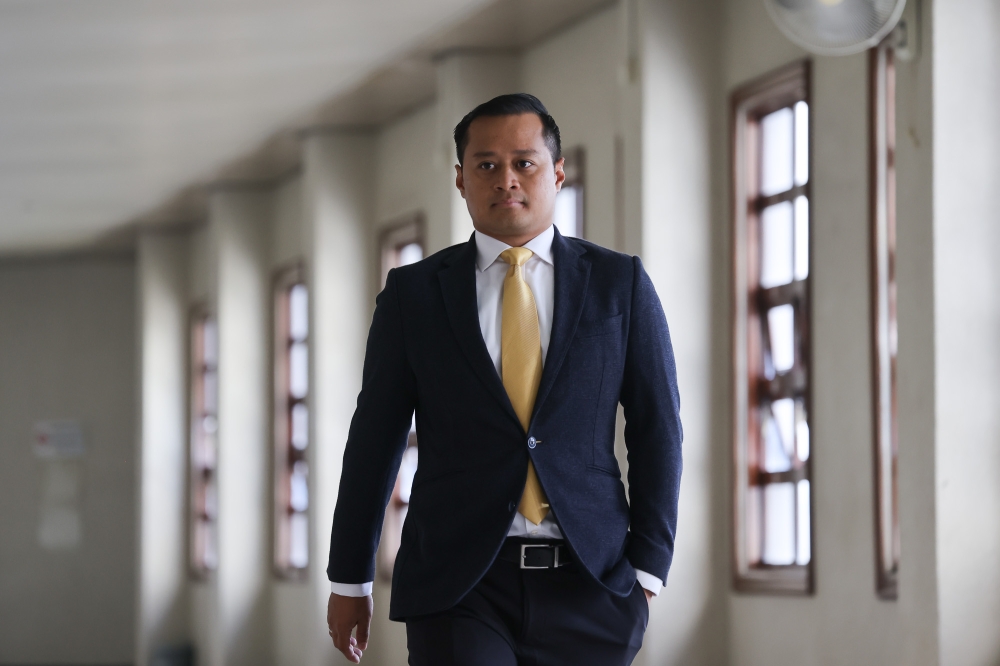
A Kuala Lumpur businessman has disclosed that his elder brother made substantial donations totalling millions of ringgit from their jointly-held company to political party Bersatu without seeking his approval or even informing him beforehand. Shahrin Shamsuddin's testimony during the High Court trial of former Prime Minister Muhyiddin Yassin has shed light on the mechanics of political fundraising and the tension between family business interests and political allegiance that can arise within family enterprises.
Shahrin told the court that he became aware of the donation only after the fact, when he reviewed company records and communications. The revelation underscores how political contributions can flow through business channels in ways that may not always enjoy unanimous shareholder or family approval. His account provides a window into the real-world circumstances surrounding large political donations in Malaysia, where questions about the transparency and authorization of such transfers have long attracted scrutiny from authorities and civil society observers.
The disclosure is particularly significant given the ongoing legal proceedings against Muhyiddin, whose political career has been marked by considerable controversy. The trial has drawn considerable public attention as it involves questions about the movement of substantial sums and their connection to political activities. For Malaysian observers, the case represents a rare judicial examination of the nexus between business funding and political party operations at the highest levels of governance.
The RM13.7 million figure mentioned by Shahrin represents a considerable sum, and its journey from the company to Bersatu speaks to the scale of financial resources that flow into political organizations in Malaysia. Such donations have become a focal point in recent years as the country grapples with broader questions about political financing transparency and the potential risks of corruption when business and politics intersect without adequate oversight mechanisms.
Shahrin's testimony raises important questions about corporate governance within family businesses, particularly when political donations are involved. The apparent lack of communication between brothers about such a significant financial commitment suggests either a breakdown in internal business protocols or a deliberate attempt to proceed without consensus. Either scenario carries implications for how family enterprises manage major financial decisions and protect minority stakeholder interests.
The court proceedings are examining the circumstances surrounding these donations with the same rigour typically applied to cases involving alleged financial misconduct or abuse of position. The evidence being presented will form part of the broader judicial assessment of Muhyiddin's conduct during his tenure in office and his subsequent activities. Each witness testimony, including Shahrin's account, contributes to establishing the factual record upon which the court will ultimately base its judgment.
For the broader Malaysian business community, the trial highlights the potential legal and reputational risks associated with large political contributions made without full transparency or authorization from all interested parties. The case serves as a cautionary tale about the importance of clear corporate governance procedures, particularly in family-controlled enterprises where the lines between personal political views and business operations can become blurred.
The political dimension of the trial cannot be overlooked. Muhyiddin's leadership of Bersatu and his previous role as Prime Minister make this case inherently significant to Malaysian politics. The party, which emerged from the Mahathir-era United Malays National Organisation and subsequently became a key player in the complex political coalitions that followed the 2018 general election, is itself under scrutiny through the trial's examination of its funding sources.
Shahrin's evidence also touches on broader governance questions facing Malaysian political parties. The manner in which donations are received, recorded, and utilized remains an area where transparency could be substantially improved. While political funding in democratic societies worldwide involves private contributions, the accountability mechanisms surrounding these funds continue to be a matter of international concern when assessed against standards of good governance and anti-corruption principles.
The trial's progress through the courts will likely continue to generate significant media coverage and public interest. Each court session brings new testimony and documentary evidence that helps establish the factual matrix underlying the charges. Shahrin's account of discovering an unauthorized donation adds a human dimension to what might otherwise be purely financial or legal abstractions, demonstrating how political fundraising can affect family relationships and business partnerships.
For Southeast Asian observers more broadly, the Malaysian trial represents an important example of how regional judiciaries are addressing high-profile cases involving political figures and allegations of financial impropriety. The thoroughness with which the courts are examining evidence and hearing witness testimony reflects the importance both the legal system and society place on ensuring accountability among those who have wielded significant political power.
Looking forward, the case may well influence how Malaysian businesses and political parties approach the question of large donations. Increased awareness of the legal scrutiny such transactions can attract may encourage greater formality and transparency in political fundraising mechanisms. The trial's outcome could potentially set precedents affecting how similar cases are handled in future, particularly regarding the evidentiary standards applied to allegations of unauthorized or improper political contributions.

