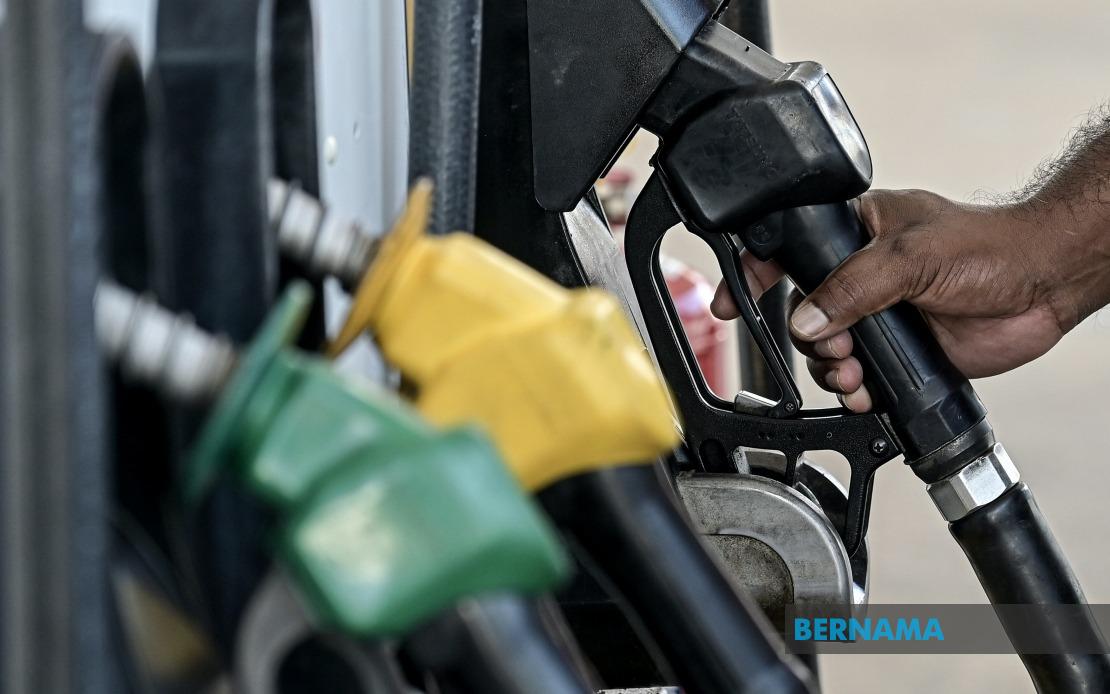
Malaysia's much-anticipated BUDI MADANI Diesel subsidy programme commences on July 1, extending subsidised fuel access to approximately 700,000 private diesel vehicle owners across the nation—a substantial increase from the earlier BUDI Diesel Individu scheme that supported merely 180,000 recipients in Peninsular Malaysia. The Ministry of Finance confirmed that the initiative will maintain diesel prices at RM2.10 per litre for eligible private vehicle owners, representing a critical intervention in the government's broader strategy to mitigate household cost-of-living pressures during an economically challenging period.
The geographic distribution of beneficiaries reflects Malaysia's regional diversity. The initiative targets around 400,000 private diesel vehicle owners in Peninsular Malaysia whilst extending identical benefits to 300,000 owners across Sabah, Sarawak, and the Federal Territory of Labuan. This nationwide reach demonstrates the government's commitment to ensuring equitable access to fuel subsidies regardless of location, a particularly meaningful gesture for vehicle owners in East Malaysia who frequently face higher transportation costs relative to their Peninsular counterparts.
Beyond private vehicle owners, the programme encompasses commercial and transport operators who have historically been vulnerable to volatile fuel price fluctuations. Approximately 70,000 commercial and goods transport vehicles operating in Sabah, Sarawak, and Labuan now qualify to purchase subsidised diesel at RM2.15 per litre through the SKDS system. This segment represents a crucial economic constituency, as commercial transport operators directly influence logistics costs and market prices for goods nationwide, making their inclusion economically strategic and socially significant.
A notable expansion involves the inclusion of company-registered private pickup trucks and jeeps, subject to specified conditions. This provision acknowledges that many Malaysian business operators and agricultural workers rely upon such vehicles as primary work instruments. The policy adjustment recognises the blurred boundary between purely personal and commercial vehicle usage among Malaysia's entrepreneurial middle class, particularly in rural and semi-urban areas where such vehicles function as essential business assets.
Preliminary results from the Peninsular Malaysia soft launch on June 27 suggest operational smoothness and strong uptake. By noon on June 30, approximately 80,000 transactions had been processed, translating to roughly 3.2 million litres of subsidised diesel valued at nearly RM7 million at the RM2.15 rate. The MyKad verification system deployed at petrol stations functioned without significant complications, indicating that the technological infrastructure supporting the initiative can accommodate the anticipated transaction volume without major disruptions to fuel distribution channels.
The government has further sweetened the initiative by introducing a three-month waiver on vehicle ownership transfer fees, capped at RM100 for diesel vehicles. This measure directly benefits Malaysian families where vehicles may be registered under one family member's name whilst being regularly driven by another. To facilitate these transfers, the Road Transport Department will operate extended hours at all state JPJ offices and UTC JPJ branches, opening on weekends from July 4 through July 26 between 8 am and 5 pm, substantially reducing bureaucratic friction for applicants.
A particularly innovative feature permits initial BUDI Diesel beneficiaries to transfer their subsidy eligibility to immediate family members including spouses, parents, children, or siblings. This one-off transfer mechanism addresses practical realities within multi-generational and extended Malaysian families where vehicle ownership structures may not reflect actual usage patterns. By July 1 morning, nearly 1,000 transfer applications had already been lodged, suggesting strong demand for this flexibility. Once approved, the receiving family member can independently purchase subsidised diesel using their own MyKad against the original owner's monthly quota.
Company-registered pickup truck and jeep owners can apply for an additional monthly allocation of up to 100 litres through the BUDI MADANI portal, subject to verification and specified terms. By 9 am on June 30, over 22,000 applications had been submitted, demonstrating significant interest from this vehicle category. The portal application mechanism streamlines the approval process whilst enabling the government to monitor eligibility and usage patterns systematically.
From a broader policy perspective, the BUDI MADANI Diesel initiative reflects governmental prioritisation of cost-of-living relief as a key political objective ahead of potential electoral contests. By targeting fuel subsidies specifically at diesel vehicle owners—a demographic spanning middle-income households, small business operators, and commercial transport sectors—the programme addresses constituencies particularly sensitive to transportation and logistics costs. The expansion from 180,000 to 700,000 beneficiaries represents an approximately four-fold enlargement of the subsidy umbrella, though questions remain regarding budgetary sustainability and long-term fiscal implications.
Malaysian commentators and business analysts have noted that fuel subsidy programmes carry inherent tensions between immediate relief objectives and long-term economic considerations. Whilst the subsidised pricing undoubtedly eases short-term household pressures and protects logistics-dependent industries from price shocks, the fiscal burden of permanently subsidising 700,000 vehicle owners merits scrutiny. Regional comparisons suggest that Southeast Asian neighbours including Indonesia and Thailand have attempted transitioning away from blanket fuel subsidies toward more targeted, temporary assistance programmes, raising questions about whether Malaysia's approach represents sustainable policy architecture.
The initiative's success will ultimately depend upon effective implementation, accurate verification of eligible recipients, and prevention of subsidy leakage through fraud or unintended beneficiary expansion. The government's emphasis on MyKad verification and digital portal applications suggests awareness of these risks. Additionally, commercial transport operators and small business proprietors will closely monitor whether the RM2.15 rate for commercial vehicles sufficiently protects their operational margins amid broader inflationary pressures affecting input costs beyond fuel.
Sector specialists anticipate that the BUDI MADANI Diesel programme will generate measurable effects on domestic logistics costs and consumer prices throughout Malaysia's economy. Since transportation constitutes a significant cost component for retailers and service providers, reduced fuel expenses at the commercial operator level may eventually translate into modest pricing relief for consumers purchasing goods and services. However, realising these benefits requires close coordination between fuel retailers, transport operators, and commercial enterprises to ensure that subsidised input costs translate into meaningful price reductions rather than margin expansion for intermediaries.

