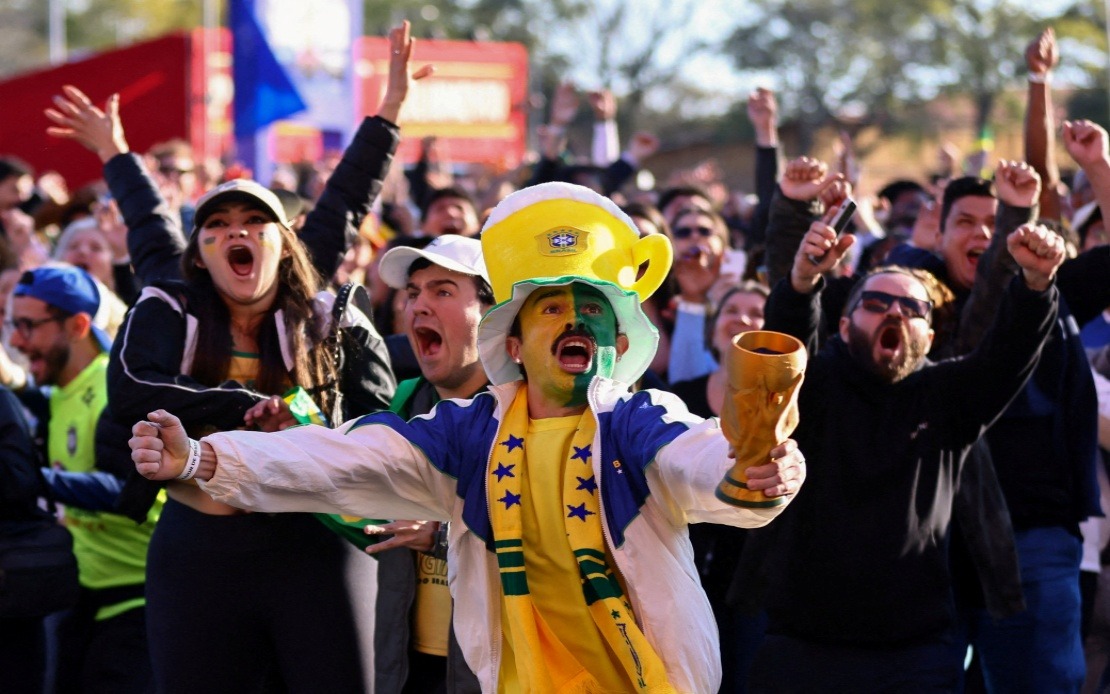
Brazil's progression to the Round of 16 of the 2026 FIFA World Cup came down to one crucial moment in the closing seconds, when Gabriel Martinelli's late strike past Japanese goalkeeper Zion Suzuki handed the Selecao a pulsating 2-1 victory at Houston Stadium. The result in the United States marked yet another dramatic chapter in World Cup football, where Japan's fairytale run came to an abrupt and heartbreaking end in the Round of 32 clash.
For the first forty-five minutes, Japan's disciplined defensive organisation threatened to derail Brazil's otherwise dominant showing. The Samurai Blue lined up in a structured 5-4-1 formation designed specifically to frustrate the Brazilian attack, successfully restricting space in wide areas where the Selecao typically flourish. Carlo Ancelotti's Brazilian side controlled possession throughout the opening half but found themselves unable to generate the fluidity needed to unlock Japan's well-organised backline. The Japanese approach represented a tactical masterclass in defensive resilience, keeping their opponents at arm's length despite constant pressure.
Japan's reward for this disciplined approach came unexpectedly in the 29th minute, when Kaishu Sano capitalised on a crucial error. After intercepting a wayward pass from Brazilian defender Danilo, Sano surged forward unopposed and unleashed a composed low drive from outside the penalty area that sailed beyond goalkeeper Alisson into the corner of the net. It was Sano's maiden international goal, and it handed Japan a deserved lead heading into half-time, inching them closer to an unprecedented World Cup knockout stage victory.
The significance of Japan's position cannot be overstated for supporters across Southeast Asia watching the tournament. Japan has never previously advanced beyond the Round of 32 stage at a World Cup, meaning this team stood tantalisingly close to making continental history. For a nation with a growing football infrastructure and a rising profile on the global stage, overcoming Brazil—one of the tournament's traditional heavyweight nations—would have represented a watershed moment for Japanese football. As half-time arrived, Japan sat forty-five minutes away from rewriting their World Cup narrative.
Brazil's response after the interval was both immediate and overwhelming. The team emerged with markedly heightened intensity, launching wave after wave of attacking play from the wide channels. Crosses poured into the Japanese penalty box with increasing frequency, and the relentless pressure was bound to tell. In the 56th minute, that pressure yielded tangible reward when Casemiro escaped his marker at the far post to direct a powerful header past Suzuki from Gabriel Magalhaes' delivery. The Brazilian supporters in Houston erupted as the tie was suddenly levelled, and the momentum had visibly shifted toward the five-time World Cup champions.
What followed was a tense and absorbing final thirty minutes punctuated by mounting Brazilian dominance. As the regulation ninety minutes drew to a close, extra time seemed inevitable, with both teams locked in an increasingly stretched contest. Yet Brazil's superiority found a devastating outlet in the dying moments of the match. In the 90th minute and fifth second of injury time, Bruno Guimaraes received possession just outside the penalty area and drove forward with purpose before executing a perfectly weighted through pass into the path of Gabriel Martinelli. Martinelli's resulting finish, despite Suzuki getting a hand to the ball, proved just too powerful to keep out, burrowing into the net and ending Japan's tournament dream in the cruelest possible fashion.
The late dramatic nature of Brazil's victory underscores a broader pattern in modern football where even well-organised defensive performances can prove insufficient against elite attacking talent when opportunities emerge. Japan's defensive structure and tactical discipline deserved better, yet they ultimately fell victim to their own vulnerability in transition and the clinical finishing that defines championship-winning teams. For Malaysian and Southeast Asian observers, the match illustrated both the tactical sophistication required at the World Cup level and the importance of clinical converting limited chances against elite opposition.
Brazil's passage to the knockout stages sets up a Round of 16 encounter with either Norway or Ivory Coast, guaranteeing a matchup against a resurgent African or European challenger. The Selecao will be emboldened by their capacity to overturn adversity against a tactically sound opponent, though the manner of Japan's defensive setup will have provided Carlo Ancelotti's team with important lessons regarding structured opposition. Brazil's ability to establish midfield control and generate width suggests they remain well-positioned to progress further in the tournament.
For Japan, while their World Cup journey ends in disappointment, the performance against Brazil offers genuine encouragement for future campaigns. The team's defensive discipline and Sano's composed individual performance demonstrate that Japanese football can compete at the highest level with the traditional powers. Future World Cup campaigns will likely see Japan approach such contests with similar tactical rigour, though the lesson from Houston is that execution and luck must also align when facing opponents of Brazil's calibre.

