Modern work patterns have fundamentally altered how our skin encounters environmental damage. Whether you spend your day bathed in natural light streaming through office windows or hunched over multiple digital devices, your complexion faces relentless assault from invisible aggressors. The popular assumption that remaining indoors provides sufficient protection against premature ageing is, in fact, a dangerous misconception that dermatologists and skincare scientists are increasingly challenging.
The statistics paint a sobering picture of cumulative skin damage. Research indicates that approximately 80 percent of visible signs of skin ageing—including fine lines, deepened wrinkles, stubborn hyperpigmentation, and dark spots—result from daily, unprotected exposure to ultraviolet rays and environmental pollutants. What makes this particularly concerning for professionals across Southeast Asia is that most of this damage accumulates not through deliberate sun exposure during beach holidays, but rather through ordinary activities: a morning commute, sitting beside a window while working, or brief outdoor errands during lunch breaks.
Yet the threat extends beyond traditional ultraviolet radiation. High-energy visible light, commonly referred to as blue light, contributes substantially to cellular damage that fuels premature ageing. Approximately 25 percent of oxidative cellular damage is now attributed to HEV blue light—a significant concern for the millions of Malaysians and Southeast Asians spending eight or more hours daily in front of laptop and smartphone screens. This means that the digital devices essential to modern work life actively accelerate skin deterioration at the cellular level.
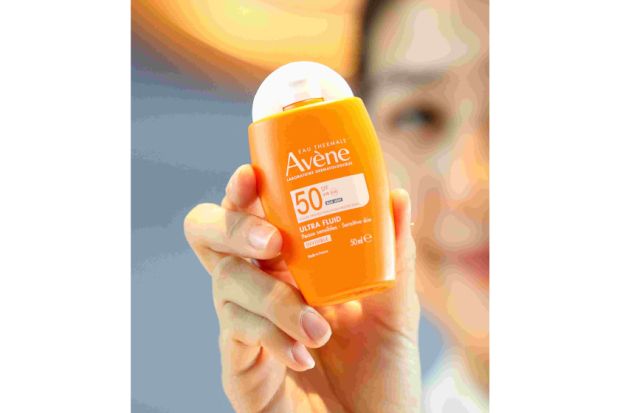
Recognising this dual challenge, skincare companies are reformulating their sun protection strategies. Eau Thermale Avene recently introduced an Ultra Fluid Range specifically designed to address these contemporary lifestyle realities. Unveiled at an experiential launch event on July 30, 2026, the collection comprises four distinct sunscreen formulations, each tailored to different skin types and daily routines. The range's cornerstone is the brand's proprietary TriAsorB sun filter, which represents a significant advancement in broad-spectrum protection technology.
Cristiana Irimescu, Asia export business director at Pierre Fabre Singapore Pte Ltd, framed the launch as a solution to longstanding compromises consumers faced. "For decades, consumers were forced to choose between prioritising skin health and cosmetic elegance," she noted, highlighting how previous sunscreen formulations often left skin feeling heavy, sticky, or visibly coated with white residue. This cosmetic burden frequently deterred consistent daily application, particularly among younger consumers or those with active outdoor schedules.
Dermatologists emphasise that this shift in consumer behaviour requires a corresponding shift in how we conceptualise sun protection. Dr Syairah Nadia Mohamad, chief executive officer at Radiant Clinique, underscored a fundamental reality: skin does not differentiate between a blazing summer day and an ordinary workday spent mostly indoors. Cumulative exposure throughout ordinary life activities represents the primary driver of photoaging, not occasional beach excursions. The research supports this observation: approximately 80 percent of lifetime sun exposure occurs during routine daily activities rather than deliberate recreational sun exposure.
The technological advancement central to Avene's new formulation addresses a long-standing barrier to consistent sun protection: texture and wearability. The Ultra Fluid Range features a texture approximately twice as light as conventional sunscreen formulas, enabling rapid "one-second absorption" that leaves no greasy film, sticky residue, or the notorious white cast associated with high-SPF products. This innovation directly addresses consumer complaints that have historically limited sunscreen compliance.
The TriAsorB filter system represents the innovation's technical foundation. This advanced broad-spectrum filter provides protection against both UVA and UVB radiation while uniquely extending coverage to high-energy visible blue light. This comprehensive approach acknowledges the modern reality that skin faces assault from multiple sources simultaneously: outdoor sun exposure during commutes and errands, incidental window exposure during office work, and screen-based blue light throughout the day and evening hours.
Formulation philosophy also reflects evolving consumer preferences, particularly across Southeast Asian markets where sensitivities to certain chemical ingredients remain prevalent. The range maintains a deliberately clean formula, eliminating silicones, alcohol, and controversial synthetic chemical filters. This deliberate simplification makes the sunscreen accessible to individuals with sensitive or reactive skin types, without sacrificing efficacy against environmental stressors.
The introduction of four distinct variants recognises a fundamental truth: skin protection cannot follow a one-size-fits-all approach. Different individuals maintain different daily routines, face varying skin conditions, and pursue different activities. By offering multiple formulations within a single range, Avene enables consumers to integrate sun protection seamlessly into existing skincare habits rather than imposing an additional burden on already-complicated routines.
For Malaysian and Southeast Asian professionals navigating tropical climates, extensive screen time, and outdoor elements, this development carries particular relevance. The region's intense, year-round sun exposure combines with increasing indoor work patterns to create ideal conditions for photoaging. A sunscreen that performs effectively without compromising comfort or cosmetic elegance addresses a genuine barrier to consistent protection among this demographic.
The psychological dimension of sun protection should not be underestimated. When protection feels like a tedious obligation rather than a natural extension of skincare routine, compliance drops dramatically. Formulations that absorb instantly, feel weightless, and integrate seamlessly with makeup and daily activities fundamentally change behaviour patterns. This matters because photoaging prevention depends entirely on consistency; sporadic application cannot counteract daily exposure.
Ultimately, the market emergence of these advanced formulations reflects growing scientific understanding of skin damage mechanisms and acknowledgment that previous approaches failed to address modern lifestyle realities. The combination of ultraviolet radiation, blue light exposure, and environmental pollution represents a multifaceted challenge requiring equally sophisticated defence strategies. For individuals concerned about maintaining youthful skin despite demanding professional schedules and unavoidable digital device use, this represents meaningful progress toward genuinely protective, wearable sun care.

