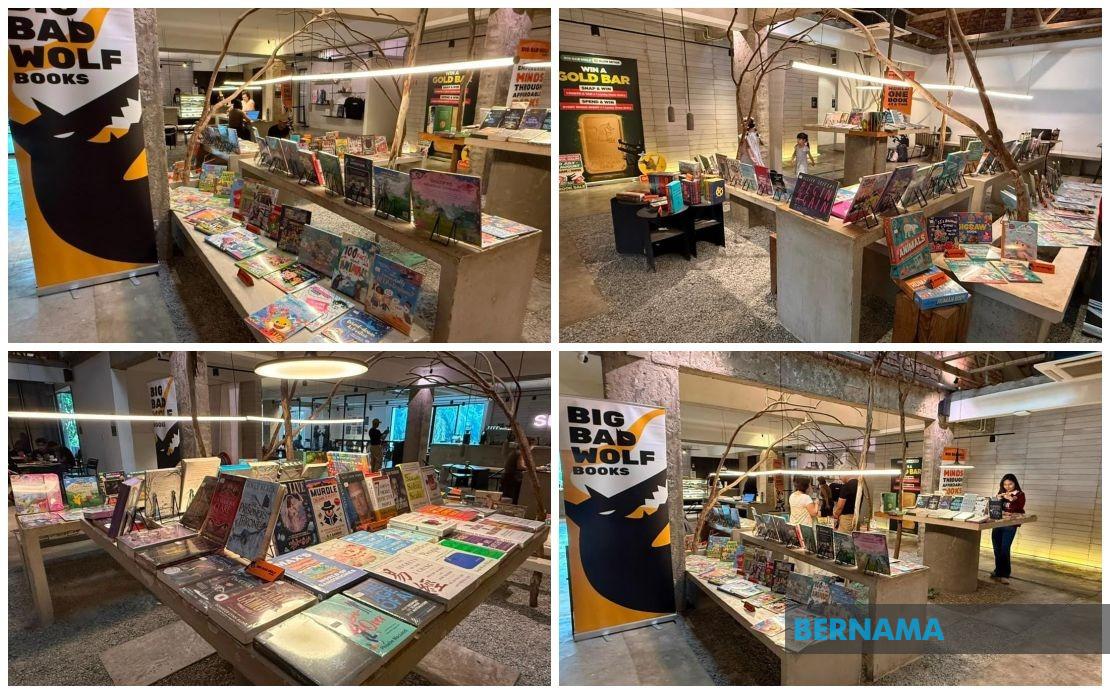
Malaysia's largest book fair, Big Bad Wolf Books, is making its return to Alor Setar with an expanded collection designed to ignite reading enthusiasm across Kedah. The 11-day event, scheduled from July 30 to August 9 at Sultan Abdul Halim Stadium, represents a significant cultural investment in a state that has historically lagged behind more urbanised regions in terms of literary engagement and book retail infrastructure.
Organisers have deliberately refreshed approximately 40 per cent of their inventory for this iteration, signalling a strategic shift toward offering the Kedah market contemporary and diverse reading materials rather than relying on existing stock. This approach reflects growing recognition that regional book fairs must adapt their offerings to local preferences while simultaneously introducing new genres and authors that might not be readily available through conventional retail channels. The emphasis on novelty is particularly important in Alor Setar, where limited independent bookstore presence means such events serve as primary touchpoints for readers seeking variety beyond school textbooks and religious materials.
Among the notable additions to this year's fair is a specially curated collection of Little Ummah Islamic children's books, making their Kedah debut. This intentional expansion into faith-based content demonstrates cultural sensitivity and recognition of Kedah's demographic composition. Rather than treating religious educational materials as separate from mainstream literature, organisers are positioning them within the broader ecosystem of children's reading, potentially widening appeal across different community segments and family backgrounds.
The sheer scale of the operation underscores the commercial viability of regional book fairs in Malaysia. With approximately one million titles available and pricing beginning at just RM3, the event democratises access to reading material in ways that traditional bookstores, constrained by real estate costs and inventory limitations, simply cannot match. Discounts reaching 95 per cent create opportunities for bulk purchases by schools, religious institutions, and community organisations that operate under tight budgetary constraints.
Free public admission over an 11-day run represents deliberate strategy to build sustained foot traffic rather than relying on one-off attendance spikes. The extended timeframe allows working professionals and students to attend at their convenience, while community organisations can plan group visits. Opening hours from 10 am to 10 pm daily accommodate diverse schedules, from schoolchildren arriving after classes to evening shoppers and families seeking weekend activities.
Chloe Lim Sooi Yee, representing the organisers, articulated the fair's broader mission beyond commercial transactions. The language of fostering reading culture and launching comprehensive literacy movements positions Big Bad Wolf Books within a larger educational narrative. This framing is particularly significant for Southeast Asian contexts where rapid digitalisation sometimes crowds out traditional reading habits, especially among younger populations more accustomed to social media consumption than sustained engagement with printed text.
Specialised incentive programs demonstrate sophisticated understanding of Malaysian consumer behaviour and educational ecosystems. The five per cent additional discount for students and teachers purchasing at least three books creates natural incentives for educators to use the fair as a professional resource, while students benefit from recognising their role as future knowledge workers deserving special consideration. Such tiered pricing strategies are uncommon in Malaysian retail and signal organisers' commitment to treating educational constituencies as priority audiences rather than simply demographic segments.
Gameified engagement through "spend and win" and "snap and win" campaigns, offering 10-gramme gold bars as prizes, taps into proven Malaysian consumer preferences for instant gratification and tangible rewards. These mechanisms are particularly effective in regional markets where awareness of events may depend heavily on word-of-mouth and direct engagement rather than sophisticated digital marketing. The gold bar incentive also carries cultural resonance in Malaysia, where gold purchasing represents a traditional form of value storage and gifting.
The ambitious target of 35,000 visitors over 11 days translates to approximately 3,180 daily attendees, a realistic figure for a state capital positioning a major cultural event as both commercial and community institution. This volumetric goal suggests organisers view Alor Setar not as peripheral market but as genuine regional hub deserving equivalent investment to larger metropolitan areas. Success in Kedah could validate expansion strategies to other state capitals, potentially transforming how Malaysians in smaller cities access literary materials.
Proactive school promotion campaigns indicate recognition that sustainable reading culture requires institutional support beyond individual consumer choice. When educators and administrators become advocates, they create multiplier effects whereby single promotional visits reach hundreds of students and their families. This institutional approach addresses a fundamental challenge in building readership: overcoming inertia in communities where reading for pleasure competes against entertainment alternatives requiring minimal cognitive engagement.
From a Malaysian perspective, Big Bad Wolf Books' continued regional expansion addresses genuine accessibility gaps. Outside Klang Valley and Georgetown, independent bookstores have contracted significantly over the past decade, leaving gaps that online retailers partially but incompletely fill. Residents of Alor Setar facing six to eight week shipping delays for online orders or lacking browsing experience before purchase may find the fair's physical presence revelatory. Such events become essential infrastructure for maintaining literary ecosystems beyond major urban centres.
The cultural implications extend beyond commerce. Reading culture remains unevenly distributed across Malaysian society and geography, with patterns often correlating to socioeconomic status and educational attainment. Initiatives aggressively pricing books at RM3 and offering steeply discounted titles to students and teachers represent deliberate intervention in knowledge inequality. Whether such interventions achieve lasting behaviour change or simply facilitate temporary spending surges remains an empirical question, but the underlying commitment to accessibility reflects values increasingly central to Malaysian discourse around inclusive development.
As Malaysia navigates questions about educational quality and citizen engagement in knowledge economies, peripheral events in Alor Setar merit serious attention. Book fairs represent one of few remaining mechanisms through which casual browsers become invested readers, and where discovery happens serendipitously rather than through algorithmic recommendation. In an age of curated feeds and personalised content, the democratic randomness of a crowded fair still offers something irreplaceable: encounter with ideas and perspectives one did not know to seek.

