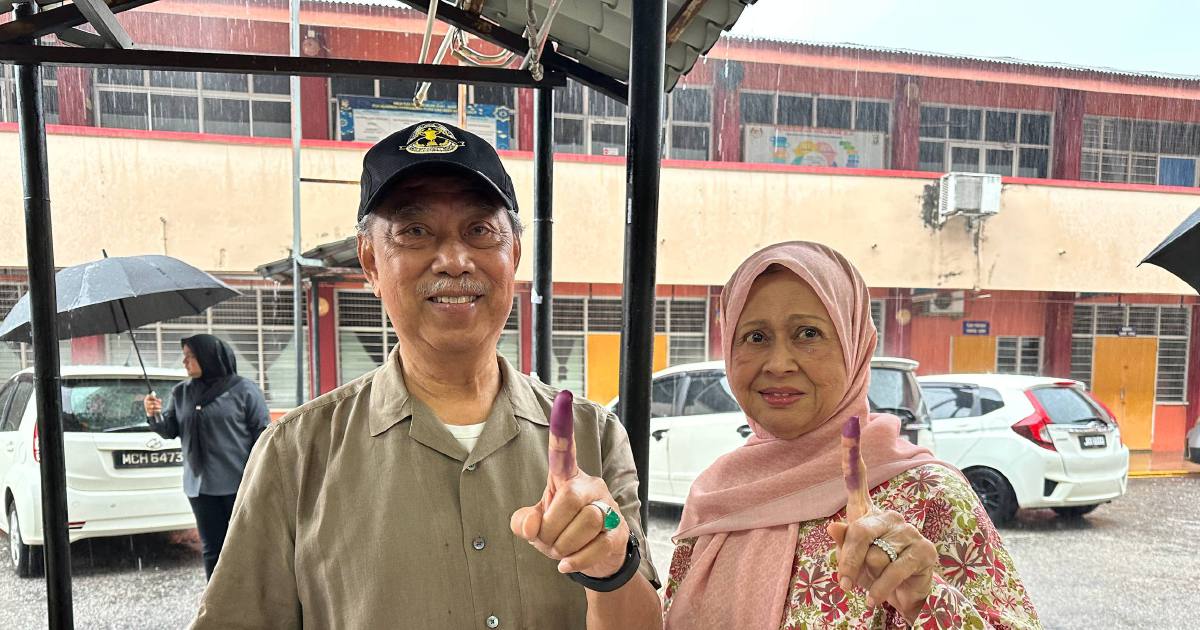
Bersatu is banking on voter enthusiasm to drive participation above the 70 per cent mark in today's Johor state election, even as inclement weather threatened to dampen turnout across multiple constituencies this morning. The party's optimism reflects expectations that residents will prioritise casting their ballots despite logistical challenges posed by torrential downpours affecting several districts in the southern state.
The weather pattern emerged as a potential complication for election officials and voters alike, with rain sweeping through parts of Johor during the critical early morning voting hours. Muar, a major urban centre in the state, experienced particularly heavy precipitation, raising questions about accessibility to polling stations in low-lying and flood-prone areas. In tropical Malaysia, where monsoon seasons regularly disrupt activities, such conditions are not uncommon during regional elections, yet they nonetheless require contingency planning to ensure uninterrupted voting.
Bersatu's projection of a 70 per cent-plus turnout would represent robust democratic participation by Johor's electorate. For context, state elections across Malaysia have historically recorded turnout rates ranging from the mid-50s to high-60s, making the party's target ambitiously high but not implausible given local political dynamics. A result exceeding this threshold would suggest that voters view the contest as consequential and worthy of their engagement, despite weather inconveniences.
The stakes in Johor are particularly significant for Malaysia's broader political landscape. As the nation's second-largest state by population and a traditional stronghold of electoral contests, voting patterns here often foreshadow wider national sentiment. The state has witnessed shifting political allegiances in recent years, with various coalitions competing for dominance. Today's election represents a critical juncture in determining which political forces will shape Johor's governance and influence peninsular Malaysian politics over the coming years.
Bersatu's emphasis on turnout figures reflects a recognition that electoral mandates carry greater legitimacy when broader segments of the population participate. The party appears confident that its messaging and ground operations have successfully mobilised supporters to overcome the inconvenience of adverse weather. This calculation suggests internal polling or engagement metrics have indicated strong voter interest, though external observers would require official results to verify such claims.
Rain-related disruptions in electoral settings typically affect different demographic groups unequally. Urban voters with easier access to nearby polling stations may encounter fewer barriers, while rural and suburban populations, particularly in flood-prone zones, may struggle to reach voting centres. Such disparities can subtly skew participation patterns, potentially advantaging parties with stronger urban organisations. Election officials in Johor would have been mindful of these dynamics when positioning polling stations and arranging contingencies.
The timing of Johor's election within Malaysia's broader political calendar adds another layer of importance. Recent years have seen frequent state and federal elections as coalitions fragment and realign, creating a perpetual campaign environment. Voter fatigue is a recognised concern, yet high turnout projections suggest that Johor's electorate retains engagement despite frequent electoral contests. This could indicate either genuine enthusiasm for political participation or reflection of the state's particular circumstances compelling voters to act.
Bersatu's public expression of confidence in surpassing the 70 per cent benchmark serves multiple functions. Outwardly, it demonstrates party optimism to supporters and media observers, potentially encouraging wavering voters to cast ballots. Internally, such statements establish performance expectations that party machinery would have been mobilised to meet through door-to-door campaigns, social media engagement, and rally activities in preceding weeks.
The weather situation also underscores the logistical complexities of conducting elections in a Southeast Asian tropical climate. Election commissions must balance accessibility with security, ensure polling stations remain functional despite heavy rain, and provide voters with reasonable comfort despite harsh conditions. In Johor, where some areas are prone to flooding during monsoon periods, contingency plans typically include temporary relocations of polling stations or extended voting hours to accommodate disruptions.
Forward-looking observers will scrutinise final turnout figures not merely as raw numbers, but as indicators of voter engagement across different constituencies and demographic groups. A 70 per cent-plus result would not simply validate Bersatu's expectations but would provide useful data for understanding Johor's political temperament ahead of potential future national elections. Conversely, if actual turnout falls short despite favourable predictions, it would suggest either polling methodologies require recalibration or that voter sentiment diverged from party expectations.

