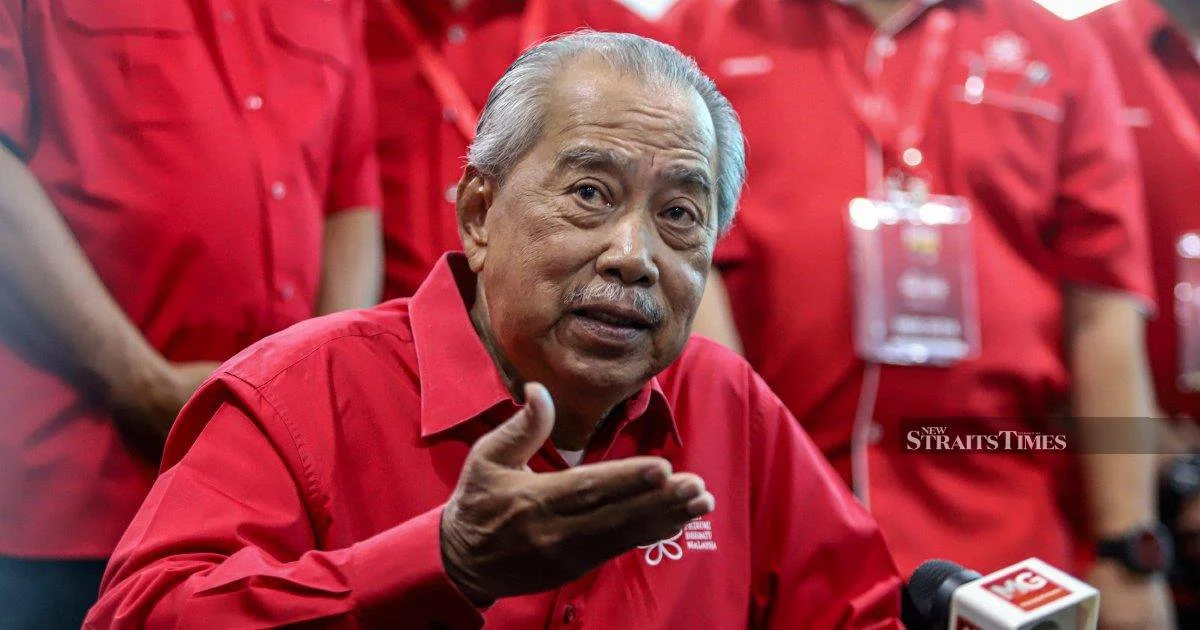
Bersatu has escalated its public criticism of PAS following the latter's decision to conduct independent political negotiations with Barisan Nasional, arguing that such unilateral moves undermine the collective decision-making processes of the Perikatan Nasional coalition. The complaint, lodged in Petaling Jaya, underscores deepening frustrations within the opposition alliance as the Negri Sembilan state election approaches, threatening the fragile unity that has characterised the PN partnership since its formation.
The disagreement reflects a broader fault line within Perikatan Nasional over how component parties should engage with rival political blocs. While PAS has historically maintained pragmatic relationships with multiple coalitions, Bersatu's leadership views such bilateral engagements as bypassing established PN protocols and consultation mechanisms. This methodological conflict becomes especially volatile in state-level elections, where seat allocation and campaign strategies require consensus across all partner organisations.
Negri Sembilan's upcoming election has become a test case for PN's internal cohesion. The state, which has traditionally been a BN stronghold, represents significant political prize for multiple competing interests. Rather than presenting a unified opposition front, the coalition risks projecting internal disunity at precisely the moment when voter confidence matters most. State-level contests in Malaysia often hinge on local considerations and personality politics, making intra-coalition discipline particularly crucial.
PAS's willingness to negotiate independently with BN suggests tactical flexibility that diverges from Bersatu's more rigid coalition positioning. The Islamist party's leadership has long viewed Barisan Nasional as a potential partner across various electoral scenarios, particularly in states where demographic composition favours Islamic governance messaging. This pragmatism, while politically expedient in certain contexts, creates unpredictability for Bersatu, which has invested significantly in consolidating PN as a viable alternative to both BN and the Pakatan Harapan coalition.
The timing of this public disagreement is particularly consequential. By vocalising their regret through formal statements, Bersatu risks amplifying internal divisions just as PN should be mobilising resources and messaging around shared policy platforms. Media coverage of coalition infighting typically depresses voter turnout among opposition-aligned constituencies, who become demoralised by apparent lack of direction or common purpose among their preferred political alternatives.
For Malaysian observers tracking opposition dynamics, this friction illustrates a persistent structural weakness in PN's architecture. Unlike BN, which functions within a hierarchically clear framework with UMNO as dominant partner, or Pakatan Harapan, which maintains institutionalised coordination mechanisms, PN comprises parties with often-contradictory ideological foundations and electoral ambitions. The coalition emerged from convenience rather than shared philosophical moorings, making it vulnerable to centrifugal forces whenever state-specific opportunities arise.
Bersatu's complaint also contains implicit concern about PAS's ultimate loyalties. Should negotiations with BN succeed at Negri Sembilan, patterns established in that state could potentially migrate elsewhere, fundamentally altering the electoral mathematics across multiple state assemblies. For Bersatu, which has sought to position itself as PN's stabilising force and primary negotiator with BN on major constitutional matters, PAS's independent diplomacy represents a threat to its strategic relevance within the coalition.
Regional observers recognise that Malaysian coalition stability remains contingent on managing competing interests among component parties. In Southeast Asian democracies where multi-party systems prevail, such tensions routinely emerge, but their management determines whether alliances endure or fracture. Bersatu's public positioning suggests the party may be preparing fallback scenarios should PN unity prove untenable across multiple state contests.
The Negri Sembilan election outcome will substantially influence future PN-BN interaction patterns. Should negotiations initiated by PAS yield electoral gains for either bloc, incentives for similar arrangements would multiply. Conversely, if such bifurcated approaches produce disappointing results or internal PN conflicts that undermine campaign effectiveness, pressure for stricter coalition discipline would intensify. Either scenario carries implications extending well beyond this single state election into the broader trajectory of Malaysian opposition politics.
PAS leadership faces mounting pressure to justify its negotiating autonomy within PN structures. The party must balance historical flexibility with coalition obligations, explaining to both Bersatu and the broader opposition electorate why independent engagement serves collective PN interests. How PAS responds to Bersatu's criticism—whether through formal consultation mechanisms or defensive statements—will significantly shape coalition cohesion heading toward other critical state contests and the longer-term viability of Perikatan Nasional as a governing alternative to established coalitions.

