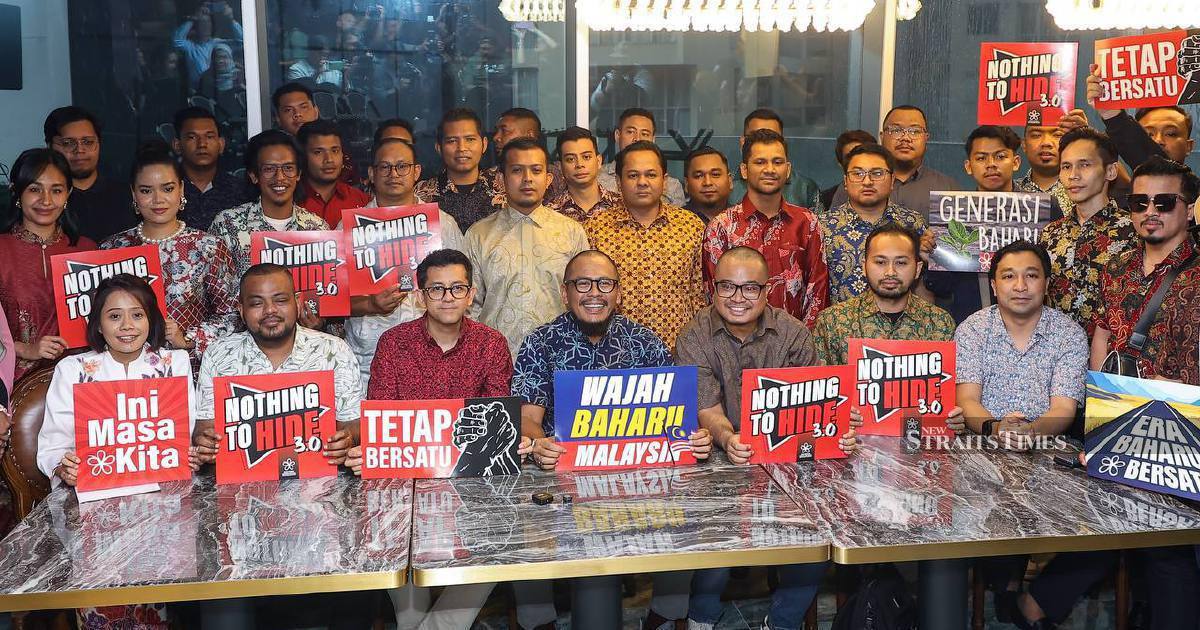
Tensions that have threatened the coherence of the Perikatan Nasional coalition appear to be easing, according to Kota Siputeh assemblyman Mohd Ashraf Mustaqim Abdul Munir, who suggested that disputes between the bloc's two principal Muslim-based parties may be more surface than substantive. His optimistic assessment comes as both Pas and Bersatu navigate a delicate political landscape where maintaining their partnership remains crucial for their collective influence in parliament and in state governments they jointly administer.
The Bersatu representative employed a domestic metaphor to characterize the relationship between the two parties, describing it as akin to spouses who maintain their union despite regular disagreements. This framing carries particular significance in Malaysian political discourse, where coalition stability often hinges on the willingness of key players to absorb friction while preserving strategic alignment. For Perikatan Nasional, which emerged as the governing force following the 2023 general election before losing federal power, internal cohesion remains essential to its positioning as a credible alternative political force.
Recent months have witnessed visible cracks in the PN partnership, with various disputes surfacing over policy direction, resource allocation, and strategic appointments. These tensions have occasionally spilled into public view, drawing scrutiny from both government critics and supporters who questioned whether the coalition could withstand prolonged strain. The fact that a senior PN member now articulates a healing narrative suggests either genuine progress in behind-the-scenes negotiations or a deliberate attempt to project stability ahead of crucial political developments.
Pas, as Malaysia's largest Islamic political party with significant presence in northern states, brings organizational strength and grassroots networks to the Perikatan alliance. Bersatu, a younger entity dominated by personalities formerly aligned with former Prime Minister Mahathir Mohamad and now led by Muhyiddin Yassin, functions as a complementary force with different factional origins and urban appeal. When these two entities operate in tandem, they amplify Perikatan's reach across different demographic segments. When they collide, as recent weeks have demonstrated, the entire coalition's effectiveness diminishes.
The comparison to a married couple navigating household tensions reflects a sophisticated understanding of coalition dynamics in Malaysian politics. Unlike purely transactional alliances that dissolve when immediate interests diverge, long-term coalitions require both parties to develop mechanisms for absorbing disagreement while maintaining fundamental commitment to the partnership. This suggests that conversations between Pas and Bersatu leadership have moved beyond public posturing toward substantive dialogue aimed at establishing clearer parameters for future cooperation and conflict resolution.
For Southeast Asian observers monitoring Malaysian political stability, the state of Perikatan Nasional carries broader implications. Malaysia's political system increasingly features fluid coalition-building, where parties must collaborate across ideological lines to achieve governing majorities. The durability of such arrangements determines not only national governance capacity but also regional diplomatic positioning. A fractured Perikatan could embolden rival coalitions while weakening Malaysia's ability to project consistent regional influence.
The Kota Siputeh assemblyman's statement also carries significance for state-level governance, where Pas and Bersatu jointly control territories such as Kedah and Terengganu. In these administrations, policy implementation and resource distribution require constant coordination. Should relations deteriorate significantly, delivery of state services could suffer, directly impacting citizens and creating negative perceptions about the governing coalition's competence. This practical dimension likely weighs heavily in leadership calculations about whether to invest in reconciliation.
However, optimistic rhetoric from individual PN members does not automatically resolve underlying structural issues within the coalition. Pas leadership has articulated concerns about Bersatu's direction and influence allocation, while Bersatu figures have questioned Pas's willingness to accommodate non-Islamic policy priorities within the bloc. These ideological and strategic tensions do not vanish merely through goodwill statements, suggesting that real reconciliation requires concrete agreements about governance parameters and resource sharing.
The coming months will test whether this proclaimed reconciliation translates into sustained cooperation. Parliamentary dynamics, pending state elections, and competition for federal resources all present opportunities for new friction. Additionally, personnel changes within either party could alter the calculus of coalition management, introducing actors less invested in PN unity. The statement from Kota Siputeh therefore represents current sentiment rather than binding institutional commitment.
For Malaysian voters and analysts assessing the political landscape, this apparent warming between Pas and Bersatu suggests that despite public bickering, pragmatic incentives favor coalition persistence. Both parties recognize that division benefits rival coalitions and reduces their collective political weight. Whether these mutual interests prove sufficient to overcome substantive policy disagreements and personality-driven rivalries remains an open question, but at minimum, the language of reconciliation indicates movement away from open confrontation.
The next significant test will arrive through elections, budget negotiations, or policy decisions that force Pas and Bersatu to make concrete choices about priority allocation. Until then, Perikatan Nasional operates under a tentative ceasefire, with senior figures like Mohd Ashraf attempting to frame internal disputes as temporary friction rather than fundamental incompatibility. This narrative management itself represents important political work, signaling to rank-and-file members and external observers that the coalition remains viable despite recent turbulence.

