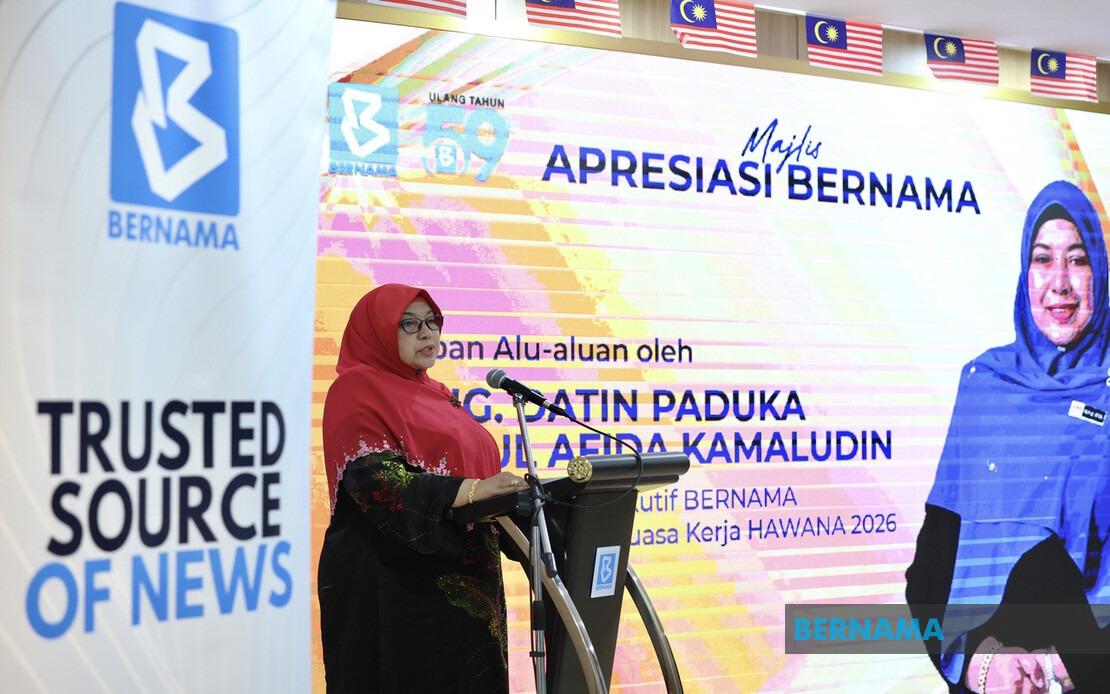
Malaysia's national news agency is intensifying its commitment to nurturing a stronger patriotic sentiment across the country as the nation enters its National Month celebrations. Datin Paduka Nur-ul Afida Kamaludin, who heads Bernama in her capacity as chief executive officer, outlined the agency's comprehensive approach to promoting national pride during an appreciation ceremony held at the agency's headquarters in Kuala Lumpur. The initiative underscores how state institutions are mobilising to ensure that the lead-up to National Day resonates with meaning and collective spirit among the population.
Operating under the purview of the Ministry of Communications, Bernama carries a dual mandate that extends beyond conventional news dissemination. The agency serves as a critical conduit for government programmes and messaging, making its role in the National Month campaign particularly significant. According to Nur-ul Afida, this responsibility encompasses not merely reporting on national initiatives but actively championing them through strategic communication efforts. This positioning highlights how Malaysia's official news infrastructure functions as both a news organisation and a channel for state-sponsored public engagement on matters of national importance.
The centrepiece of Bernama's National Month strategy revolves around the "Satu Rumah, Satu Jalur Gemilang" campaign, which translates to "One Home, One Jalur Gemilang." This grassroots-oriented initiative encourages Malaysian households and businesses to display the national flag prominently during the celebration period. The campaign gained official impetus following the Prime Minister's formal launch of National Month activities in Ipoh, after which Bernama itself decorated its premises as a visible demonstration of institutional support. By extending the invitation to employees to fly the flag at their residences, the agency seeks to transform patriotic expression from a top-down directive into a voluntary, household-level commitment.
The strategy reflects a broader approach to civic engagement that emphasises inclusive participation rather than mandatory compliance. When state institutions themselves model the behaviour they wish to encourage, it establishes a cultural norm that citizens may feel motivated to emulate. For Bernama's workforce, the initiative serves a dual purpose: it provides an opportunity for staff members to personally connect with National Month themes while simultaneously amplifying the campaign through their individual networks and communities. This multiplication effect turns employees into de facto ambassadors for the patriotic messaging that the organisation promotes.
Bernama's appreciation ceremony functioned as more than a celebratory gathering; it served as a symbolic launching platform for the flag campaign and introduced the National Day theme song, which was composed by Malaysian singer Faizal Tahir. The formal handover of Jalur Gemilang flags from Nur-ul Afida to representatives of the agency's major departments transformed an abstract campaign concept into concrete, visible symbols that departments could carry back to their workplaces. This ceremonial dimension acknowledges the psychological and emotional dimensions of patriotic expression, recognising that symbols and rituals play important roles in binding communities together around shared national identity.
The timing and execution of these initiatives merit examination within the context of Malaysia's media landscape and civic culture. As a state-affiliated news agency, Bernama's promotion of patriotic campaigns carries particular weight and visibility. Unlike purely commercial media outlets, Bernama's institutional position means that its editorial decisions and public campaigns carry implicit government endorsement. This dual nature—functioning simultaneously as a news organisation and a government communications instrument—positions Bernama at the intersection of journalism and statecraft, a dynamic that shapes how Malaysians encounter official messaging about national affairs.
For the agency's internal culture, Nur-ul Afida emphasised that bringing the entire workforce together for a unified celebration presented logistical challenges that required creative problem-solving. Rather than staging separate departmental events, Bernama consolidated multiple programmes into a single occasion, allowing staff across different divisions and hierarchy levels to participate collectively. This consolidation strategy reflects practical considerations about managing a dispersed workforce while maintaining the symbolic coherence of the patriotic message. The approach also underscores how even routine administrative decisions can reinforce or undermine broader organisational values and messaging.
The National Month campaign reveals how Malaysian institutions leverage patriotic sentiment during designated celebration periods. Unlike countries where flag displays and patriotic expression occur year-round at relatively stable levels, Malaysia's National Month represents a concentrated period of heightened national consciousness and symbolic activity. Government agencies, private companies, and civil society organisations typically ramp up their patriotic messaging and displays during August, creating a crescendo of national pride that peaks around National Day itself. Bernama's role in orchestrating and amplifying this sentiment across its news operations and institutional practices contributes to this broader seasonal intensification of patriotic expression.
The connection between Bernama's communications function and its patriotic mandate illustrates how information dissemination and national identity formation intertwine in Malaysia's governance structure. By actively promoting the Jalur Gemilang campaign through its news operations and internal programmes, Bernama demonstrates how national news agencies do not merely report on patriotic initiatives but actively participate in their creation and propagation. This blurred boundary between journalism and advocacy reflects the particular institutional roles that state news agencies occupy within their respective national contexts, roles that differ significantly from those of commercially-operated media outlets.
Looking at the broader implications for Malaysian civil society, Bernama's National Month strategy highlights how state institutions attempt to foster collective national identity during moments of heightened civic consciousness. The emphasis on household-level flag displays and employee participation suggests a strategy that seeks to democratise patriotic expression, moving beyond top-down mandates toward voluntary civilian engagement. Whether such initiatives successfully translate into deeper, sustained patriotic commitment or remain primarily symbolic gestures remains an open question, one that observers of Malaysian civic culture will continue to assess through the coming years.
The Faizal Tahir National Day theme song introduction adds a cultural dimension to Bernama's patriotic campaign, recognising that music and arts play important roles in shaping emotional responses to national symbols and occasions. By partnering with a prominent Malaysian artist to create thematic music, Bernama taps into cultural channels that often resonate more powerfully with audiences than conventional political messaging. This multimedia approach suggests that modern patriotic campaigns in Malaysia increasingly employ diverse communication tools and artistic collaborations to reach audiences across different demographic and cultural segments.
Bernama's institutional commitment to strengthening patriotic sentiment reflects broader government priorities around national cohesion and unity. As Malaysia navigates contemporary challenges around social fragmentation, political polarisation, and questions about national identity, state institutions increasingly emphasise the importance of shared national symbols and collective celebration. Bernama's role as the official news voice of the nation positions it as a key institutional player in these efforts to reinforce common ground and collective purpose during moments like National Month when such themes receive heightened attention and cultural legitimacy.

