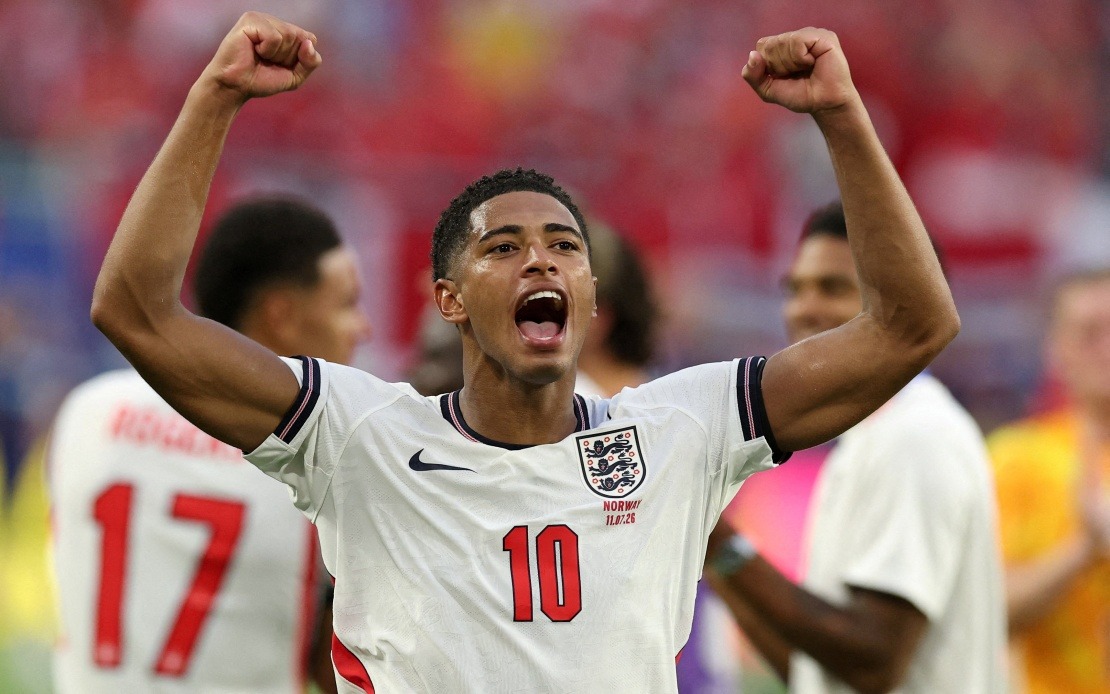
England have advanced to the semi-finals of the 2026 FIFA World Cup following a dramatic comeback victory against Norway at Miami Stadium, with Real Madrid midfielder Jude Bellingham proving the difference-maker by scoring twice in an enthralling quarter-final encounter. The Three Lions' 2-1 triumph after extra time on July 11 keeps alive their hopes of claiming a second world championship, 60 years after their sole triumph on home soil in 1966. For Thomas Tuchel's squad, the victory represents a significant milestone in their tournament trajectory, marking their first appearance in the semi-finals since the 2018 edition held in Russia.
Norway arrived in Miami as underdogs but quickly demonstrated their competitive credentials when Andreas Schjelderup delivered a stunning opener in the 36th minute. The Norwegian forward executed a clinical finish to beat England goalkeeper Jordan Pickford, giving Scandinavia a foothold in a match where few expected them to challenge. However, England's response came swiftly and decisively, with Bellingham restoring parity before half-time following a well-timed run onto Anthony Gordon's pass. The midfielder's precise low drive across Pickford's former club Norwich connections displayed the composure expected of a player plying his trade at Europe's elite level.
The second half evolved into a tightly contested tactical battle, with both teams creating genuine scoring opportunities that either side could have converted. Norway came agonisingly close to seizing the lead when Julian Ryerson's cross found Erling Haaland in the 53rd minute, yet Pickford produced a crucial reflexive save to turn away the Manchester City striker's downward header. The intensity escalated further two minutes later when Torbjorn Heggem appeared to have restored Norway's advantage, finishing from close range after capitalising on England's momentary lapse in defensive organisation from a corner kick.
The goal, however, was controversially disallowed following a Video Assistant Referee review, with officials determining that Haaland had committed a pushing offence against Elliot Anderson during the build-up play. Such VAR interventions have become increasingly contentious in international football, often shifting momentum in ways that alter match narratives entirely. In this instance, the technology prevented Norway from taking what could have been an insurmountable lead, effectively handing England a lifeline when their tournament aspirations appeared threatened.
With neither team finding the breakthrough in conventional time, the match extended into the extra-period framework now standard in knockout competitions. The additional 30 minutes proved decisive, with Bellingham seizing his opportunity when Morgan Rogers' fierce strike from outside the penalty area forced a deflection from Norwegian goalkeeper Orjan Nyland. The loose ball fell invitingly for the England midfielder, who demonstrated impressive awareness and clinical finishing to convert from close range in the 93rd minute, sending English supporters into raptures and dealing a crushing blow to Norwegian hopes.
Bellingham's brace represents a career-defining performance on the sport's grandest stage, underlining why Real Madrid invested so heavily in securing the player's services. At just 21 years old, the midfielder has already established himself as one of international football's most dynamic talents, capable of influencing proceedings across multiple facets of play. His movement, positioning, and finishing during this particular quarter-final encounter exemplified the qualities that have made him indispensable to England's World Cup campaign.
For Norway, while the defeat represents heartbreak, the quarter-final appearance itself constitutes their strongest showing at football's premier tournament in over 80 years. The Scandinavian nation had previously peaked by reaching the round of 16 at France 1998 and claiming that same stage back in 1938, making their progression to the quarter-finals a remarkable achievement for a nation not traditionally counted among world football's heavyweight contenders. Their performance demonstrated the tactical sophistication and competitive spirit increasingly evident in smaller footballing nations.
England now awaits the winner of the quarter-final between defending champions Argentina and Switzerland, setting up either a heavyweight clash against the South Americans or a more open contest with the Swiss. Irrespective of the opponent, Tuchel's side stands just two victories away from claiming a World Cup crown, a prospect that would end a frustrating drought stretching back to their sole success 60 years ago. The semi-final represents another barrier to clear, yet their comeback capability demonstrated against Norway suggests this England squad possesses the resilience and talent necessary to mount a serious challenge for the trophy.
The victory at Miami Stadium reinforces England's status as contenders capable of competing at the highest level when the stakes are greatest. Bellingham's decisive contribution, combined with Pickford's goalkeeping acumen and the team's ability to mount comebacks under pressure, suggests that Tuchel has assembled a squad capable of withstanding the rigours of knockout football. As the tournament progresses deeper into its latter stages, such mental fortitude and individual brilliance become increasingly decisive factors separating champions from those who fall short of their objectives.

