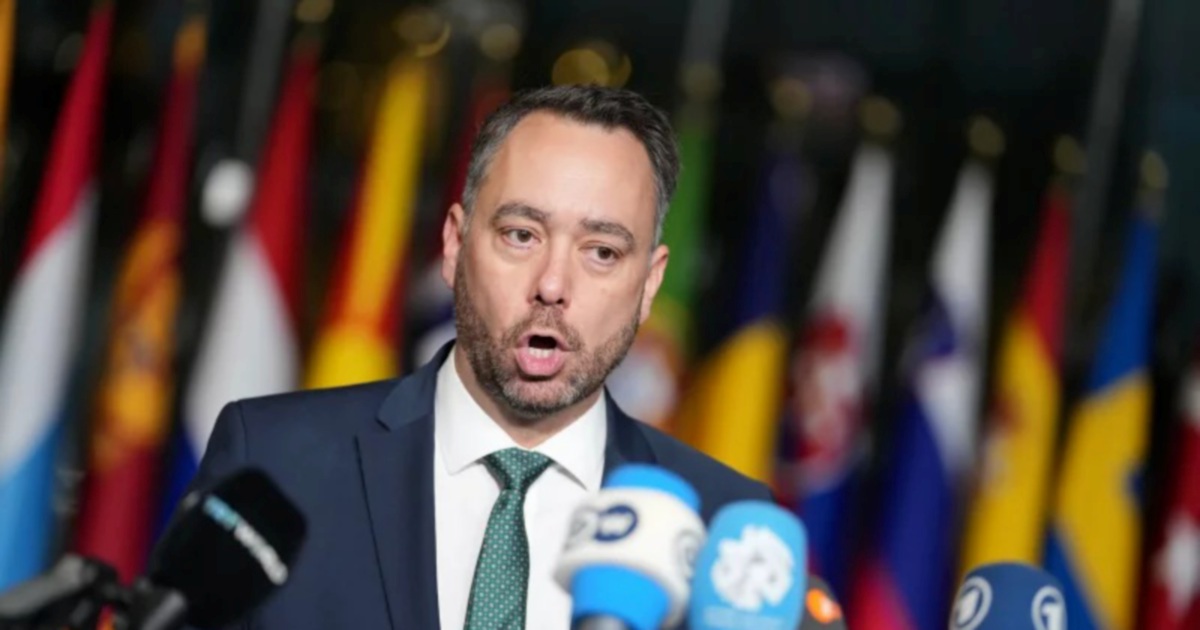
Belgium's Deputy Prime Minister and Foreign, European Affairs and Development Cooperation Minister Maxime Prevot will arrive in Malaysia tomorrow for a two-day working visit centred on deepening bilateral ties across three strategic sectors: renewable energy, rare earth elements, and the halal industry. The visit represents a significant diplomatic engagement between the European Union's low-lying Benelux nation and Southeast Asia's third-largest economy, signalling growing European interest in the region's energy transition capabilities and supply chain resilience.
The focus on renewable energy cooperation carries particular significance for both nations navigating the transition away from fossil fuel dependence. Belgium, despite its limited land area, has become a European leader in wind and solar technology adoption, with ambitious targets to reach carbon neutrality by 2050. Malaysia, as a tropical nation with substantial solar potential and already established manufacturing capabilities in renewable energy equipment, presents an attractive partnership opportunity. The discussions will likely explore technology transfer arrangements, joint research initiatives, and potential investment frameworks that could benefit Malaysian companies seeking European market access while helping Belgian firms establish production footprints in Southeast Asia.
Rare earth elements represent another critical dimension of this bilateral engagement. These minerals, essential for manufacturing electric vehicles, wind turbines, and advanced electronics, have become strategically crucial following supply chain disruptions in recent years. Malaysia possesses significant rare earth processing capabilities and has historically played a role in the global supply chain, though production has fluctuated due to environmental and regulatory considerations. Prevot's visit suggests Belgium and the broader European Union are keen to diversify their rare earth sourcing away from traditional suppliers, positioning Malaysia as a potential long-term partner for this essential resource category.
The halal industry component underscores Malaysia's unique position as both a Muslim-majority nation with sophisticated halal certification systems and a major regional hub for Islamic finance and commerce. Europe has experienced growing demand for halal-certified products among its expanding Muslim population, creating market opportunities for Malaysian producers and service providers. This discussion likely encompasses food production standards, logistics solutions, certification frameworks, and potential joint ventures that could open European markets to Malaysian halal enterprises while allowing Belgian companies to participate in this expanding global sector worth hundreds of billions annually.
Belgium's engagement with Malaysia reflects a broader European strategic recalibration toward the Indo-Pacific region. As the European Union seeks to reduce dependencies on single-source suppliers and strengthen relationships with strategically important Asian economies, bilateral visits by senior officials have become more frequent. This engagement demonstrates recognition that Southeast Asia's role in global supply chains, renewable energy development, and sustainable trade practices extends far beyond regional concerns and carries implications for European competitiveness and security.
The visit also arrives amid Malaysia's own energy transition efforts. The country has committed to increasing renewable energy capacity and has set targets for solar deployment across residential, commercial, and utility-scale applications. Belgian expertise in renewable energy infrastructure development, grid integration technologies, and policy frameworks could inform Malaysian planning, while Malaysian experience in managing tropical climate renewable energy generation could provide valuable lessons for European partners.
From an ASEAN perspective, this bilateral initiative demonstrates how individual Southeast Asian nations are attracting direct engagement from major developed economies on energy and industrial matters. Such visits create opportunities for technology advancement, skills development, and economic positioning within the region's emerging clean energy sector. For Malaysia specifically, strengthening partnerships with European entities in renewable energy could enhance local capability development and create pathways for Malaysian workers and companies to participate in the broader green economy transition.
The rare earth elements discussion carries additional geopolitical dimensions. By engaging with Malaysia on this front, Belgium is contributing to European efforts to establish alternative supply chains that reduce dependency on a single dominant supplier. This approach aligns with European Union strategy to build supply chain resilience in critical materials, a priority highlighted in recent strategic autonomy discussions within Brussels. Malaysia's willingness to deepen such cooperation could position it as a more strategically important partner within broader European planning for resource security.
Beyond formal negotiations, such high-level visits typically generate practical outcomes including memoranda of understanding, working group formations, and collaborative project frameworks. Prevot's discussions with Malaysian government officials, particularly those responsible for energy policy, industrial development, and international trade, will likely produce specific deliverables outlining cooperation mechanisms and timelines for implementation. These might include joint working groups on renewable energy standards, delegation exchanges between institutions, or feasibility studies for specific collaborative ventures.
The halal industry focus also reflects evolving consumer preferences in Europe. Belgium, home to significant Muslim communities and positioned as a gateway between European markets and Middle Eastern partners, has compelling reasons to strengthen halal supply chain capabilities. Malaysian expertise in this domain, developed over decades of serving both domestic and international markets, offers practical knowledge transfer opportunities that could enhance European halal product quality and authenticity assurance. This discussion may explore certification reciprocity arrangements and joint marketing initiatives to promote authentic halal products to European consumers.
As Malaysia continues pursuing its own development objectives within a framework of sustainable growth, partnerships with technologically advanced European nations offer valuable opportunities for capability building and market access. The Prevot visit exemplifies how bilateral diplomacy increasingly focuses on concrete economic and technical cooperation rather than broad diplomatic niceties. For Malaysian policymakers, such engagement presents chances to showcase the country's capabilities while accessing knowledge and resources that support national development aspirations in critical sectors shaping the global economy's future trajectory.

