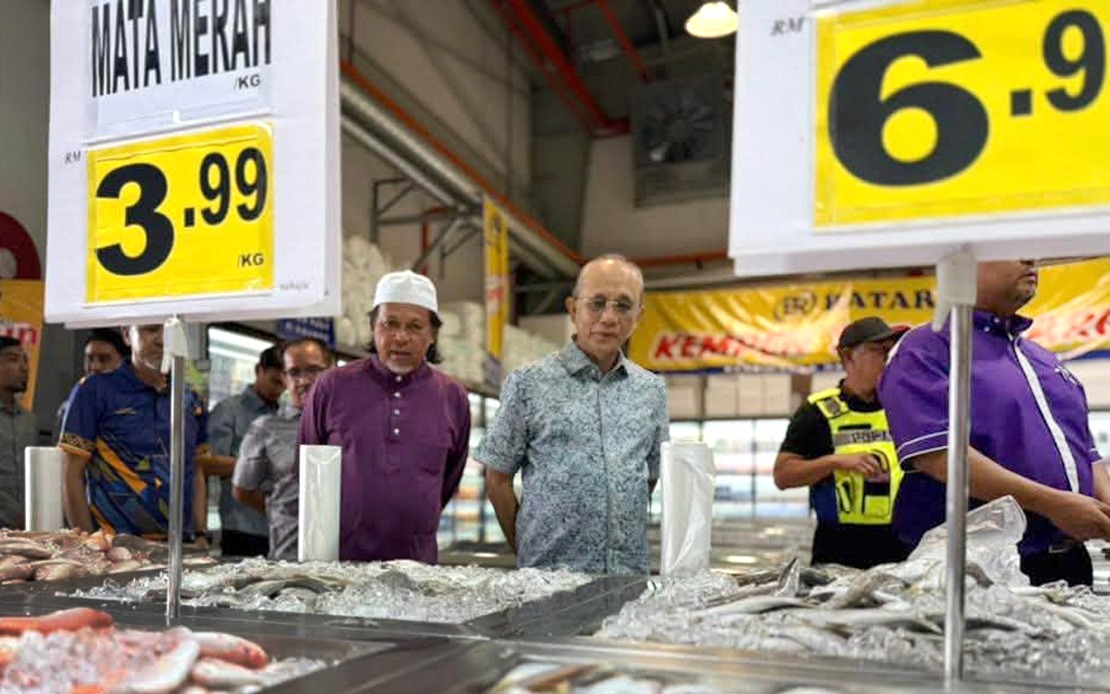
Consumers throughout Sabah now have access to significantly cheaper fresh produce under a new promotional campaign launched by Bataras Supermarket, which is offering reductions of between five and 30 per cent across 30 different fresh food items until the end of October. The initiative represents an effort by a major regional retailer to provide tangible relief for household budgets at a time when cost-of-living pressures remain a pressing concern for families across Malaysia and the broader region.
The Ministry of Domestic Trade and Cost of Living (KPDN) has given its backing to the scheme, which operates across all 58 Bataras Supermarket branches located throughout Sabah. Government endorsement signals an attempt to mobilise private-sector participation in addressing inflation and affordability challenges that have affected consumer spending power regionally and globally. The campaign was officially launched at the Papar Bataras Supermarket branch, with Pantai Manis state assemblyman Datuk Pengiran Saifuddin Pengiran Tahir presiding over the ceremony.
According to the KPDN statement, the discount program reflects a deliberate policy approach that emphasises collective action and shared responsibility between government, industry, and communities in tackling the cost-of-living crisis. Rather than relying solely on regulatory measures or subsidies, the ministry has framed this partnership as embodying a "whole-of-nation approach" that encourages voluntary commercial engagement with affordability objectives. This collaborative model seeks to distribute the burden of cost control across multiple stakeholders while creating market-based solutions that do not require direct state expenditure.
For Malaysian shoppers, particularly those in Sabah, the timing of such discounts carries practical significance. Fresh produce—including vegetables, fruits, and other perishable items—represents a substantial portion of routine household grocery spending, especially for families buying daily necessities. By reducing prices on these frequently purchased goods rather than discretionary luxury items, the campaign targets the most impactful categories for household budgets. The depth of discounts, ranging from five to 30 per cent depending on specific items, provides meaningful savings that could accumulate substantially over the campaign's three-month duration through October 31.
Bataras Sdn Bhd, the retailer behind this initiative, has established itself as a significant player in Sabah's retail landscape since its founding in 1998. Over more than two decades, the company has expanded to operate 58 supermarket branches across the state, positioning itself as a major supplier of consumer goods to Sabah's population. This extensive network means the campaign's reach extends to numerous communities and shopping districts throughout the state, making the price reductions accessible to a broad consumer base rather than concentrated in a single location or limited region.
The KPDN has explicitly signalled that it views this campaign as a template for broader industry participation and expansion. Government statements indicate an expectation that other retailers and commercial players, particularly within the retail and supermarket sectors, should emulate Bataras's approach. This suggests an emerging strategy where public authorities increasingly encourage private businesses to voluntarily incorporate affordability considerations into their pricing and promotional strategies as a demonstration of corporate responsibility. The framing as a "noble effort" requiring wider adoption implies gentle pressure on competitors to implement similar measures.
From a regional perspective, such initiatives reflect a pattern emerging across Southeast Asia where governments grapple with inflationary pressures and consumer discontent regarding cost-of-living pressures. Malaysia, like many nations in the region, faces global economic headwinds affecting prices for imported goods, energy costs, and supply chain expenses. Private-sector participation in cost management offers governments a mechanism to address these challenges without necessarily expanding fiscal commitments or implementing price controls that might distort markets or create shortages.
The campaign also demonstrates the evolving relationship between state institutions and commercial enterprises in addressing social welfare concerns. Rather than treating cost-of-living issues as purely a government responsibility managed through subsidies or price regulations, this approach positions retailers as partners in a broader social mission. By publicly recognizing and endorsing Bataras's efforts, the KPDN creates reputational benefits and public relations advantages for the company, while simultaneously leveraging commercial actors to extend welfare improvements to consumers without direct government expenditure.
However, the sustainability and scalability of such voluntary initiatives remain open questions. While Bataras's commitment extends through October 31, the longer-term trajectory of these discounts and whether they will continue or expand remains uncertain. Similarly, the extent to which other retailers will embrace comparable campaigns depends on their competitive positioning, profit margins, and perceived public relations benefits. The success of this "whole-of-nation approach" ultimately hinges on whether sufficient numbers of industry players view participation as strategically beneficial rather than as an unwelcome pressure on margins.
Consumers in Sabah seeking immediate relief from grocery expenses should note the specific three-month window during which these reductions apply, as planning household shopping around the campaign period could yield cumulative savings. For shoppers in other Malaysian states, the Bataras initiative may presage similar campaigns by other major retailers seeking to demonstrate cost-consciousness and community responsibility. The campaign exemplifies how government priorities and commercial strategy can converge to deliver concrete benefits to households, even as broader structural questions about inflation and affordability persist.

