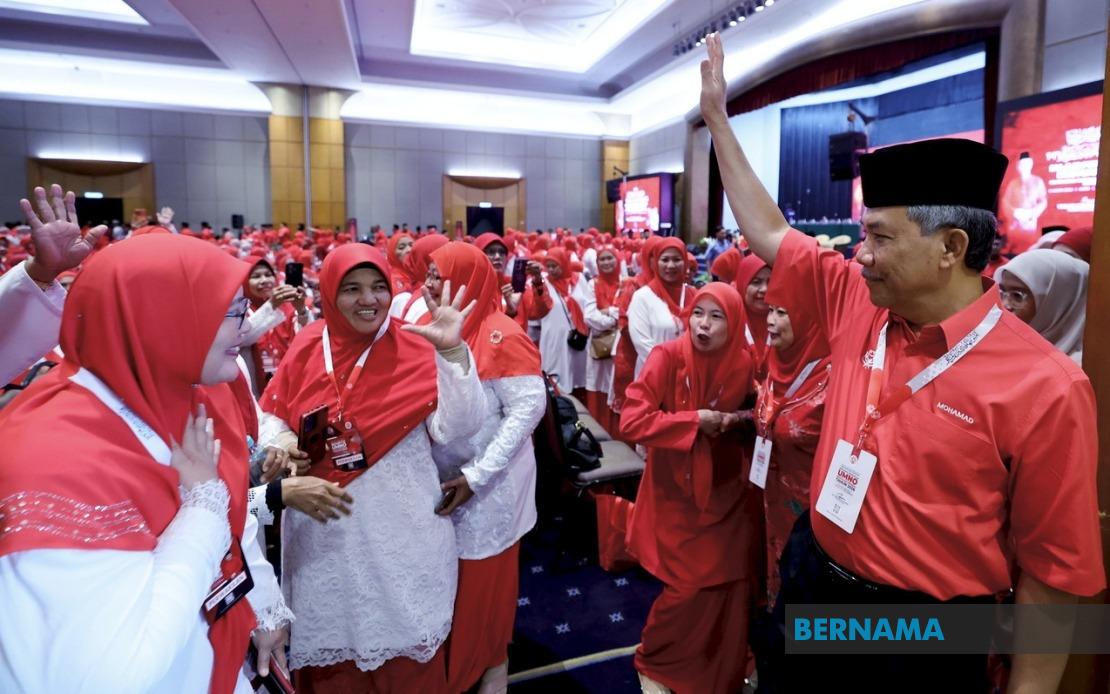
Barisan Nasional is preparing to fundamentally overhaul how it distributes electoral contests among coalition members in Negeri Sembilan, moving away from a rigid allocation formula that has governed seat distribution for decades. The shift, announced by BN deputy chairman Datuk Seri Mohamad Hasan in Seremban on July 5, reflects a strategic recalibration driven by dramatic changes in voter composition across the state's constituencies and an acknowledgment that traditional patterns no longer guarantee electoral success.
The departing approach, which Mohamad characterised as assigning particular seats to specific parties on a perpetual basis—"seats 1, 2, 3, 4, these are yours"—has become counterproductive in an era when demographic realities shift rapidly across constituencies. Mohamad argued that this ossified system restricted opportunities for component parties to contest in areas where they genuinely possessed competitive strength, while simultaneously limiting voter choice. By locking parties into predetermined divisions, BN inadvertently created electoral vulnerability in constituencies where demographic changes favoured different political competitors or where voter sentiment had drifted beyond the coalition's traditional strongholds.
The new strategy contemplates a dynamic seat-swapping arrangement that allocates each constituency to whichever coalition component believes it can mount the strongest campaign and secure victory. This represents a significant philosophical departure for BN, which has historically relied on predictable power-sharing formulae among its member parties to maintain internal cohesion. The rationale is straightforward: if a party has consistently underperformed in a particular seat, retaining that assignment serves neither BN's electoral interests nor democratic principles. By facilitating seat transfers, the coalition aims to concentrate its competitive resources where they matter most.
However, Mohamad emphasised that any final determination regarding seat allocation and candidate selection remains the prerogative of the BN Supreme Council at the national level, not individual state divisions or component parties acting independently. This caveat underscores the delicate equilibrium BN must maintain; while flexibility in seat allocation may boost overall electoral performance, unilateral reallocation decisions risk triggering grievances among parties that lose traditionally held constituencies. The Supreme Council's gatekeeping role ensures that horse-trading over seats remains controlled and that no component party feels arbitrarily sidelined without recourse to higher party structures.
To inform these realignments, BN is conducting systematic analysis of voter behaviour patterns and demographic composition in each constituency, drawing upon the results of previous elections as baseline data. This analytical approach seeks to identify constituencies where demographic shifts—whether through internal migration, generational turnover, or urbanisation—have altered the electoral calculus. Constituencies where populations have become more urban, younger, or differently educated may respond to different political messaging or candidate profiles than the existing allocation assumes, rendering a reassessment strategically prudent.
The Negeri Sembilan branch has instructed all division heads to submit candidate lists conforming to established procedures, with each division required to nominate at least three potential contenders for each contested seat. This depth of candidate benches enables BN to field alternatives should chosen candidates withdraw, face disqualification, or encounter personal circumstances necessitating substitution. The compressed timeline—with candidate announcement scheduled for July 15 during BN's election machinery launch, followed by nomination on July 18 and early voting on July 28—affords limited flexibility, yet BN is determined to proceed with seat realignment rather than defer the decision to post-election recalibration.
Modamad's acknowledgment that internal party sabotage has historically cost BN electoral seats signals acute concern about coalition cohesion during the campaign period. When parties feel disadvantaged by seat allocations or perceive unfair treatment in candidate selection, some members may tacitly undermine official campaigns or direct supporters toward rival candidates in protest. This dynamic proved ruinous in previous elections where perceived organisational or resource imbalances sparked resentment sufficient to manifest in reduced turnout or fractionalised voting within BN's own constituencies. By ostensibly opening the seat allocation process to merit-based criteria rather than entrenched tradition, Mohamad seeks to neutralise claims of inequitable treatment.
The timing of this policy shift carries broader implications for Malaysian electoral politics. Negeri Sembilan, governed by BN since independence, represents a crucial gauge of coalition electoral health in a post-2023 landscape where BN has substantially rebuilt its political credibility following the 2020 collapse that saw it ejected from federal power. A decisive BN victory in Negeri Sembilan would signal that the coalition's restructuring has resonated with voters, while a poor performance would suggest that structural and organisational reforms remain insufficient to restore voter confidence at the state level.
For Southeast Asian observers, the Negeri Sembilan election demonstrates how dominant political coalitions navigate the tension between institutional stability and electoral adaptability. BN's willingness to experiment with seat allocation mechanisms reflects maturation in coalition management; rather than allowing outdated power-sharing arrangements to calcify, the coalition recognises that electoral competitiveness requires dynamic response to changing voter demographics and preferences. This pragmatism contrasts with other regional coalitions that have rigidly adhered to established protocols despite manifestly changed electoral conditions.
Mohamad's comments regarding his own Rantau state seat—which he has represented since 2004—suggest that no BN incumbent is automatically guaranteed renomination under the new system. If even senior party figures face potential reassignment, this signals genuine commitment to merit-based allocation rather than performative reform. However, such transparency may generate anxiety among BN's incumbent state assemblymen, many of whom have cultivated substantial constituency-specific organisations and political capital over multiple election cycles. The prospect of reassignment poses both opportunity for stronger candidates to claim previously inaccessible constituencies and disruption for incumbents who may struggle to recalibrate in unfamiliar electoral territory.
The August 1 polling date, with nomination ceremonies occurring on July 18 and 28, provides eight days for comprehensive seat reallocation and candidate finalisation after the July 15 machinery launch. While this timeline appears compressed, it reflects BN's determination to proceed despite administrative constraints. The Election Commission's scheduling accommodates early voting on July 28, a concession permitting voters unavailable on polling day to cast ballots, potentially affecting turnout calculations and campaign strategies in constituencies with high proportions of mobile workers or elderly populations.
Moving forward, whether BN's seat realignment strategy yields improved electoral performance or generates internal friction remains uncertain. Component parties may discover that supposed flexibility in seat allocation masks reductions in contested constituencies available to them, or that candidate selection criteria systematically disadvantage their political bases. The Supreme Council's ultimate decision-making authority provides institutional clarity but cannot eliminate interpersonal tensions arising from seat disputes. The August 1 election will therefore test not only BN's electoral viability but also whether the coalition's internal mechanisms can withstand the pressures accompanying strategic innovation.

