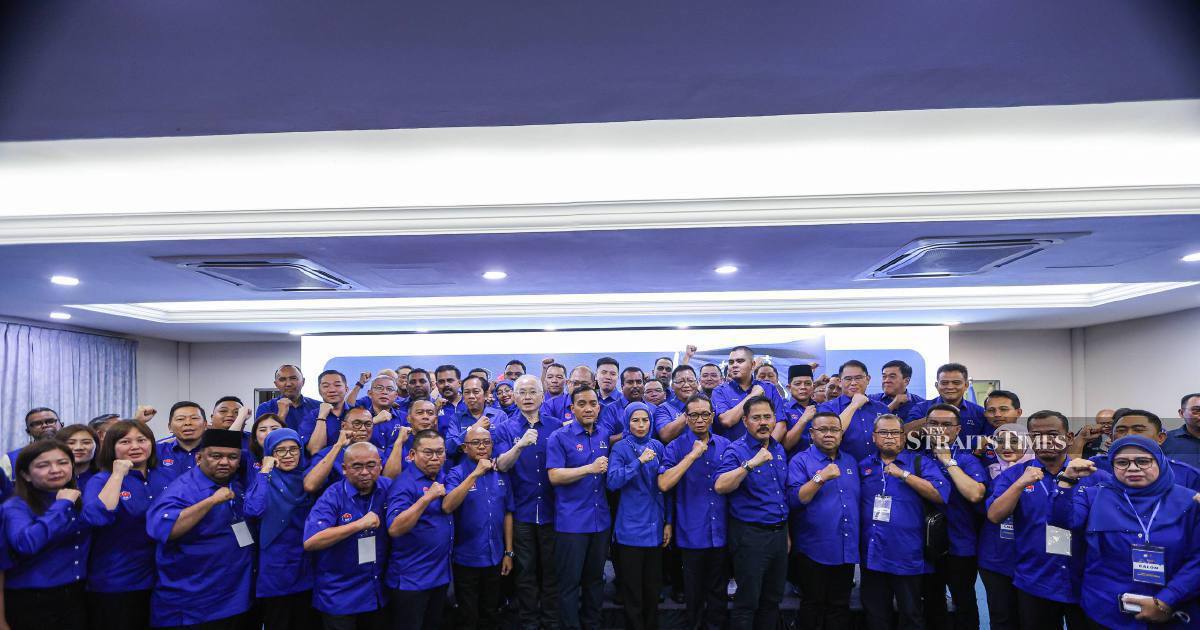
Barisan Nasional formally presented its comprehensive roster of 56 candidates for the Johor state election scheduled for July 11, marking a significant milestone in the coalition's campaign preparations for the contest. The announcement in Johor Baru signals the end of intense internal negotiations within the BN machinery and positions the coalition to contest every available seat in the Johor legislative assembly.
The unveiling of the full candidate line-up represents a critical juncture for Barisan Nasional, which has governed Johor continuously since independence but has faced mounting pressure from opposition blocs in recent electoral cycles. By finalising its roster, the coalition demonstrates organisational readiness and party unity ahead of what is expected to be a closely contested race. The move also allows BN component parties—UMNO, MCA, and MIC—to mobilise their ground machinery with clarity on their respective representatives and campaign strategies across all constituencies.
For Malaysian observers, the timing and composition of Barisan Nasional's candidate selection carries broader implications for the nation's political trajectory. Johor, as the second-most populous state and a traditional BN stronghold, serves as a bellwether for coalition strength in peninsular Malaysia. The party's ability to field candidates across all available seats without splits or last-minute withdrawals indicates internal cohesion, a factor that has previously undermined BN performance in other state contests. The composition of the candidate list—reflecting the balance among UMNO, MCA, and MIC—will reveal much about power dynamics within the coalition and the weight each component party carries in contemporary Malaysian politics.
The election itself arrives at a moment of significant political fluidity in Malaysia. Federal politics remain volatile following the 2022 general election, which produced a hung parliament and necessitated cross-party cooperation. State elections in Johor will test whether the political realignment at the national level has solidified or continues shifting. The composition and quality of BN's candidate roster thus becomes a window into the coalition's confidence levels and its assessment of its competitive standing relative to opposition forces, which have attempted to consolidate behind coordinated strategies in recent contests.
The opposition's challenge in Johor should not be underestimated. While Pakatan Harapan and its allies have made significant inroads in several peninsular states, Johor remains geographically and demographically more complex. The state's substantial rural hinterland, diverse ethnic composition, and strong traditional support networks have historically favoured incumbents. How effectively opposition parties can unite behind a single candidate slate while competing against an organisation with six decades of state governance experience will significantly influence the election outcome.
The July 11 date provides a compressed campaign window, during which BN's fieldwork capabilities will be tested alongside its message discipline. Having completed its internal nominations, Barisan Nasional now enters the phase where ground-level mobilisation, media strategy, and candidate visibility become paramount. The candidate selection itself will face scrutiny from party grassroots—particularly if certain high-profile figures were bypassed or constituency allocations favoured certain components of the coalition disproportionately.
For Malaysian voters, the Johor election represents an opportunity to register their preferences on state governance, economic management, and development priorities. The state government controls substantial budgets and patronage networks that shape everyday experiences in urban centres like Johor Baru and Kota Tinggi as well as rural districts. The policies pursued over the next five-year term will influence employment, infrastructure, education, and social services across the state. This context transforms the election from a mere party-political contest into a referendum on the direction of Johor's development and the competence of its leadership.
Barisan Nasional's full slate announcement also reflects practical campaign logistics. Having candidates confirmed allows for simultaneous campaign launches, coordinated media buys, and integrated messaging across constituencies. It eliminates uncertainty that might otherwise lead to demoralisation among party workers or provide opposition parties with political ammunition. The coalition's willingness to field candidates in every seat demonstrates confidence—or at minimum, a strategic calculation that contesting everywhere maximises vote share even if not all seats are winnable.
The broader Southeast Asian context adds perspective to Johor's election significance. Malaysia's political system, with its combination of constitutional monarchy, federal structure, and competitive democracy, has weathered considerable turbulence in recent years. State elections have become increasingly important laboratories for testing political innovation, negotiating coalition stability, and managing dissent within broad umbrella organisations. Johor's July 11 election will contribute data points about whether Malaysia's political parties are stabilising after the disruptions of 2020-2022 or remain in flux.
As the campaign unfolds following BN's candidate announcement, analysts will closely monitor swing voter dynamics, campaign messaging emphasis, and grassroots response to the chosen candidates. The turnout rate will also carry significance—high participation might suggest voter engagement with substantive governance issues, while lower turnout could indicate dissatisfaction or campaign ineffectiveness. Johor's result will reverberate through Malaysian politics for months to come, potentially influencing calculations about federal coalition stability and state government viability across the peninsula.