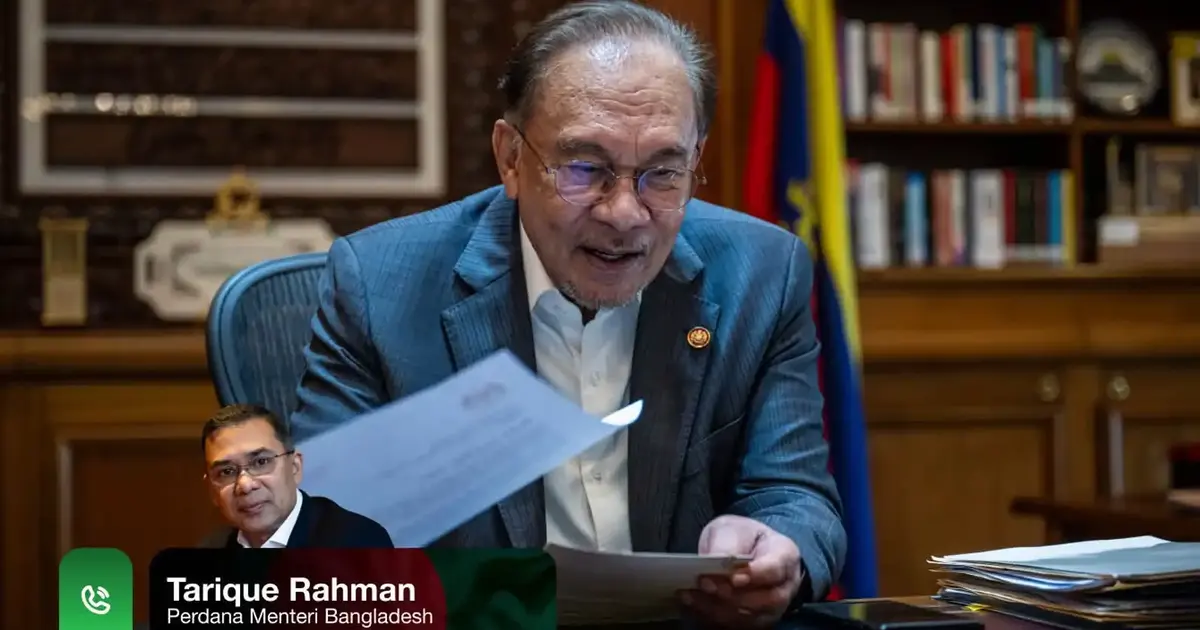
Bangladesh is turning to Malaysia as a potential partner in addressing an escalating energy crisis that threatens to disrupt economic activity and daily life across the nation. The request for liquefied natural gas assistance emerged during diplomatic discussions at the highest level, with Prime Minister Anwar Ibrahim receiving a direct appeal from Bangladesh's Prime Minister Tarique Rahman during a telephone conversation on Tuesday.
The disclosure marks an important moment in bilateral relations between the two neighbouring nations, highlighting how energy security challenges are reshaping regional partnerships and diplomatic priorities. For Bangladesh, the move reflects growing pressure to secure alternative fuel sources as domestic supplies face constraints and demand continues to climb alongside the country's rapid industrialisation and population needs. The telecommunications exchange between the two premiers signals the urgency with which Dhaka views its energy situation, bypassing routine diplomatic channels to engage Malaysia's leadership directly.
Malaysia occupies a strategically significant position in regional energy markets, with established LNG infrastructure and existing supply arrangements that could potentially be leveraged to assist Bangladesh. The nation's experience in managing natural gas exports and liquefaction operations positions it as a credible partner for helping neighbouring economies address fuel shortages. Malaysia's mature petrochemical and energy sectors have developed the technical expertise and logistical capacity relevant to Bangladesh's immediate requirements.
The context of this request extends beyond simple commercial transaction considerations. Bangladesh has been navigating complex energy challenges stemming from fluctuating global gas prices, supply chain disruptions, and competing regional demand. The country's growing manufacturing base and expanding middle class have created persistent upward pressure on electricity consumption, straining existing generation capacity. Brownouts and rolling blackouts have become recurring problems affecting productivity in industrial zones and living standards across urban areas.
For Malaysia, engaging with Bangladesh's energy needs presents both an opportunity and a consideration of broader foreign policy dimensions. The relationship between the two predominantly Muslim-majority democracies carries historical weight and shares common interests across multiple domains including trade, cultural exchange, and security. Responding positively to Bangladesh's request could strengthen diplomatic ties while generating commercial benefits through LNG transactions, though Malaysia must carefully balance such arrangements against its own domestic energy requirements and existing contractual commitments.
The timing of this request arrives amid a broader regional conversation about energy security and supply chain resilience. Across Southeast Asia, nations have grown increasingly conscious of their vulnerability to global energy market volatility. The past several years have witnessed sharp fluctuations in gas prices and supply disruptions stemming from geopolitical tensions, shipping challenges, and structural changes in global energy demand. Bangladesh's situation exemplifies the acute difficulties facing developing economies attempting to secure reliable fuel supplies at manageable costs while managing rapid economic growth.
Dhaka's outreach to Kuala Lumpur also reflects the reality that traditional LNG suppliers have their own constraints and competing obligations. Global liquefied natural gas markets remain relatively tight, with major exporters operating near capacity and long-term contracts already in place with established customers. This backdrop makes Bangladesh's search for alternative partners logical, as smaller regional suppliers with excess or available capacity become more valuable. Malaysia's potential flexibility in redirecting some supply or establishing new arrangements presents an attractive possibility from Bangladesh's perspective.
The specifics of what assistance Bangladesh is requesting remain to be clarified through formal negotiation channels and follow-up diplomatic engagement. The request could encompass various arrangements, from direct LNG supply agreements to technical assistance in expanding Bangladesh's receiving and regasification infrastructure, or even intermediary arrangements leveraging Malaysia's existing supply networks. The degree of urgency communicated during the prime ministerial conversation suggests Bangladesh is seeking relatively prompt action rather than engaging in preliminary exploration.
This development carries implications extending beyond the bilateral relationship between Kuala Lumpur and Dhaka. Other Southeast Asian nations watching these discussions will assess whether Malaysia can accommodate Bangladesh's needs while maintaining stable supply to its own customers and commitments to other regional partners. The episode also underscores how energy security has become a central preoccupation for policymakers across Asia, driving diplomatic engagement and shaping strategic partnerships in ways that parallel traditional security and trade concerns.
Moving forward, both nations face the complex task of translating the political commitment expressed at leadership level into concrete commercial arrangements that address Bangladesh's immediate shortages while meeting Malaysia's business and strategic considerations. Success would strengthen a meaningful partnership between two important regional actors while providing Bangladesh with crucial breathing room to address its underlying energy infrastructure and supply challenges.

