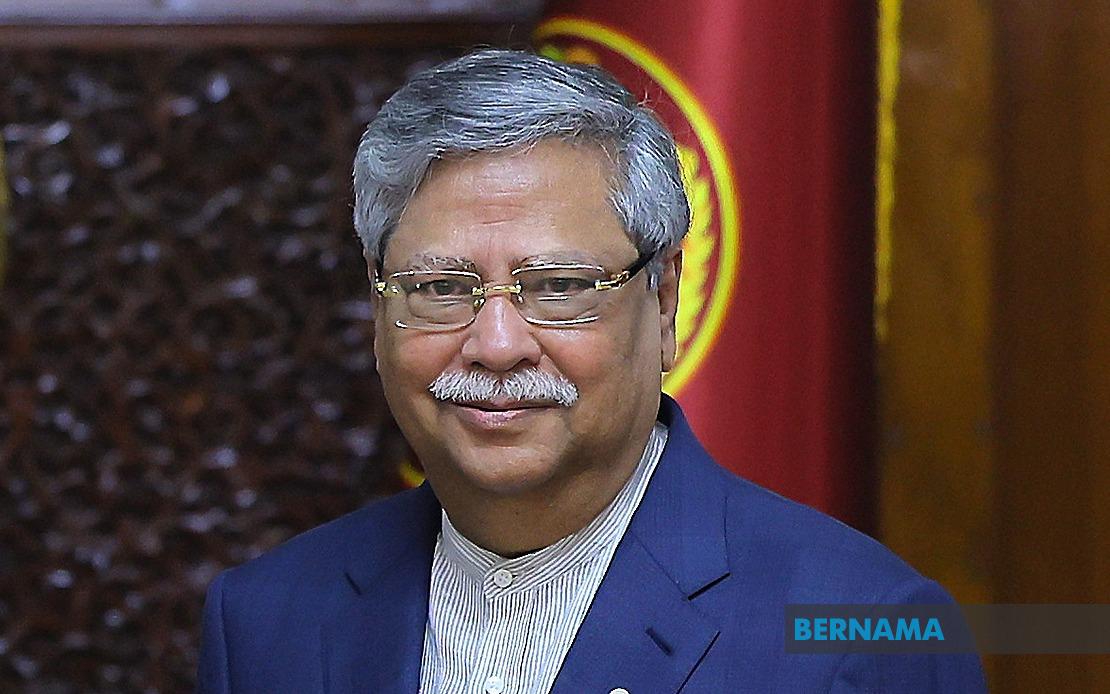
Bangladesh will elect a new head of state when parliament reconvenes in September, according to Law Minister Md Asaduzzaman, who outlined the timeline for filling the vacancy created by the recent presidential resignation. The constitutional framework governing the transition requires that a fresh presidential election must be conducted within 90 days of the incumbent stepping down, establishing a firm deadline that shapes parliamentary planning in the coming weeks.
President Mohammed Shahabuddin Chuppu formally submitted his resignation letter to Speaker Hafiz Uddin Ahmad, citing serious illness as the reason for his departure from office. The Parliament Secretariat has confirmed that Speaker Ahmad is currently discharging presidential functions in accordance with constitutional provisions that outline succession procedures during such transitions. This arrangement ensures continuity of governance while the nation moves toward selecting a permanent successor through the formal electoral process.
The timing of the election is anchored in parliamentary scheduling requirements. The second session of parliament concluded on July 15, and constitutional rules stipulate that the third session must be convened within two months of the previous session's conclusion—establishing a deadline of September 14 at the latest. This window provides sufficient time to organize the formal vote before the constitutional deadline arrives, allowing parliament to conduct the election during its regular third session rather than calling an emergency sitting.
Under Bangladesh's constitutional arrangements, members of parliament serve as the electoral college for presidential elections, a system that concentrates the selection process within the legislature rather than extending it to the general population. This parliamentary-based method reflects the structure of Bangladesh's political system and ensures that the presidency remains accountable to legislative representatives who must approve the nomination and casting of votes.
The political landscape strongly suggests that Prime Minister Tarique Rahman's Bangladesh Nationalist Party, which commands a parliamentary majority following recent elections, will determine the outcome of the presidential vote. Political analysts widely anticipate that the ruling party's nominee will secure election given its commanding position in the chamber, though the formal nomination process and final voting remain outstanding. The BNP's dominance in parliament effectively positions the party to shape the identity of Bangladesh's next president.
This presidential transition occurs against the backdrop of Bangladesh's ongoing political reorganization. The nation has witnessed significant shifts in its political alignment and governance structures in recent months, with the current parliamentary composition reflecting these broader changes. The election of a new president will mark another stage in this process of institutional renewal, establishing new leadership at the ceremonial and constitutional head of state level.
The resignation of Shahabuddin, while attributed to personal health concerns, represents a significant moment in Bangladesh's political calendar. Presidential transitions in South Asian democracies often carry symbolic weight beyond their immediate constitutional implications, as they reflect broader shifts in political power dynamics and the consolidation or redistribution of influence among leading political actors and institutions.
For Malaysia and other Southeast Asian nations monitoring developments in Bangladesh, this transition underscores the ongoing political consolidation underway in the country. As Bangladesh navigates its current phase of governance, the election of a new president aligned with the ruling BNP will likely reinforce the party's comprehensive control of state institutions and decision-making processes, with potential implications for Bangladesh's regional engagement and foreign policy orientation.
The September timeframe allows Bangladesh's parliament to conduct the election in an orderly manner while respecting constitutional constraints and procedural requirements. This measured approach contrasts with more hurried transitions that might strain institutional legitimacy or raise questions about the fairness and deliberativeness of the selection process. The forthcoming parliamentary session will serve as the venue for this important institutional exercise.

