%22%2F%3E%3C%2Fpattern%3E%3C%2Fdefs%3E%3Crect%20width%3D%22100%25%22%20height%3D%22100%25%22%20fill%3D%22url(%23ph2zfjgg)%22%2F%3E%3Crect%20width%3D%22100%25%22%20height%3D%22100%25%22%20fill%3D%22url(%23ph2zfjgp)%22%2F%3E%3Ctext%20x%3D%2250%25%22%20y%3D%2250%25%22%20text-anchor%3D%22middle%22%20dominant-baseline%3D%22central%22%20fill%3D%22rgba(255%2C255%2C255%2C0.95)%22%20font-family%3D%22Georgia%2C%20'Times%20New%20Roman'%2C%20serif%22%20font-weight%3D%22700%22%20font-size%3D%22136%22%20letter-spacing%3D%22-0.02em%22%3EBangladesh%3C%2Ftext%3E%3C%2Fsvg%3E)
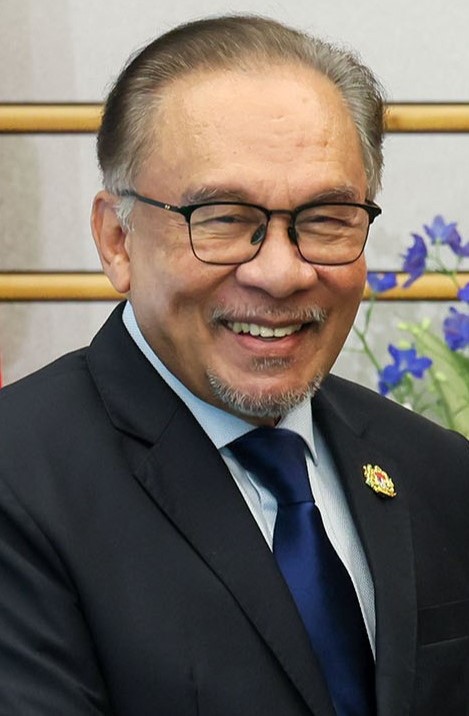
Bangladesh Prime Minister Tarique Rahman has pledged to strengthen the country's relationship with Malaysia through expanded diplomatic channels and joint initiatives, marking a significant moment for bilateral ties in Southeast Asia. Speaking at a joint press conference with Malaysian Prime Minister Datuk Seri Anwar Ibrahim in Putrajaya on Monday, Rahman outlined an ambitious agenda for closer cooperation between the two nations on both regional and global platforms. The reassertion of commitment comes as Bangladesh seeks to establish itself as an active player in regional diplomacy following recent domestic political transitions.
The bilateral engagement encompasses a structured framework of formal mechanisms designed to facilitate sustained dialogue between the governments. Both leaders agreed to leverage existing platforms, particularly joint commission meetings and regular consultations between foreign ministers, to coordinate policies and address matters of mutual concern. Rahman emphasised that these institutional channels would serve as the backbone for continued partnership, ensuring that diplomatic momentum persists beyond ceremonial exchanges. The reliance on established mechanisms reflects a pragmatic approach to bilateral relations, moving beyond symbolic gestures toward substantive cooperation.
Three formal agreements were signed during Rahman's visit, signalling concrete commitments across multiple sectors. A Memorandum of Understanding on Cultural Cooperation will facilitate people-to-people exchanges, educational initiatives, and preservation of shared heritage values. Additionally, an Exchange of Notes focused on Counter-Terrorism Research demonstrates both nations' recognition that security challenges in South and Southeast Asia require coordinated responses. A third agreement on Investment Promotion and Facilitation is intended to create a more conducive environment for business ventures and capital flows between the two economies.
The counter-terrorism research initiative carries particular significance for the region. Both Bangladesh and Malaysia have confronted militant insurgencies and transnational terrorist networks, making intelligence sharing and methodological collaboration valuable tools for national security. By formalising cooperation in this domain, the two countries signal their intent to develop integrated approaches to threat assessment and prevention, benefiting broader regional stability efforts. For Malaysia, partnership with Bangladesh on security matters strengthens its standing within South Asian geopolitical discussions, while Bangladesh gains access to Malaysia's more developed counter-terrorism infrastructure and expertise.
Rahman and Anwar also discussed prominent international developments, particularly the volatile situation in West Asia. Both leaders articulated a shared commitment to collaborative engagement within the United Nations and other multilateral organisations on issues transcending regional boundaries. Rahman specifically acknowledged Malaysia's diplomatic support for Bangladesh's candidature for the presidency of the 81st session of the United Nations General Assembly, a gesture that demonstrates Malaysia's confidence in Bangladesh's capacity for leadership within international forums. This backing reflects Malaysia's recognition of Bangladesh's growing stature and its potential contribution to UN deliberations on development, peacekeeping, and humanitarian matters.
Rahman's visit represents his first bilateral official journey abroad since taking office in February 2026, underscoring the strategic importance Malaysia holds in Bangladesh's diplomatic calculations. By selecting Malaysia as the destination for this inaugural bilateral visit, Rahman signals that South Asian connectivity and Southeast Asian engagement feature prominently in his foreign policy orientation. The choice also reflects deeper historical and cultural ties between the nations, rooted in shared Islamic heritage, democratic commitments, and geographic proximity within the Indian Ocean region.
Trade relations between the two countries have demonstrated robust growth, with bilateral commerce reaching RM12.18 billion (US$2.84 billion) during 2025. Malaysia maintains a significant trade surplus, exporting RM10.08 billion (US$2.35 billion) worth of goods, predominantly petroleum products and refined fuels. Bangladesh contributes RM2.10 billion (US$0.50 billion) in imports to Malaysia, centred primarily on textiles, apparel, and footwear sectors where the country possesses competitive advantages. These figures reflect complementary economic structures, with Malaysia functioning as a supplier of energy resources and capital goods, while Bangladesh contributes manufactured consumer products.
Within Malaysia's broader South Asian trade portfolio, Bangladesh ranks as the second most significant partner after India, holding positions as the second-largest export destination, import source, and trading partner in the region. Globally, Bangladesh constitutes Malaysia's 28th largest trading partner, a ranking that positions it among Malaysia's most important commerce relationships outside East Asia and the Middle East. The investment promotion agreement signed during Rahman's visit carries potential to expand this economic footprint, particularly if Malaysian investors view Bangladesh's labour costs and market size as attractive opportunities for manufacturing relocation or regional distribution operations.
The investment facilitation framework addresses structural barriers that have historically constrained capital movement between the economies. By streamlining procedures for project approval, securing appropriate guarantees, and establishing dispute resolution mechanisms, both nations aim to attract greater Malaysian investment into Bangladesh's growing industrial and technology sectors. Conversely, Bangladeshi entrepreneurs may find enhanced opportunities in Malaysian financial services, telecommunications, and professional services markets. This reciprocal approach to investment cooperation distinguishes the agreement from conventional bilateral trade arrangements, suggesting a more integrated economic partnership vision.
Cultural cooperation carries particular resonance for both nations' foreign policy objectives. Enhanced educational exchanges, artist residencies, and heritage conservation projects foster genuine people-to-people connections that transcend governmental relations. Such initiatives create lasting bonds within civil society, facilitating deeper mutual understanding and reducing susceptibility to regional tensions. For Malaysia's significant Bangladeshi migrant worker population, cultural agreements validate their heritage and contribute to social cohesion. Similarly, these programs strengthen Bangladesh's soft power projection across Southeast Asia, enhancing its appeal as a cultural and civilisational contributor to the region.
The diplomatic elevation of Bangladesh-Malaysia relations occurs within a shifting geopolitical context in South and Southeast Asia. Growing economic competition from China, evolving security partnerships, and regional infrastructure developments create incentives for countries to strengthen existing relationships and explore new avenues of cooperation. Bangladesh's geographic position along major maritime trade routes, combined with its substantial population and manufacturing capacity, positions it as an increasingly important actor in regional calculations. Malaysia's engagement with Bangladesh reflects recognition of these emerging realities and commitment to sustaining relevance within South Asian affairs.
Looking forward, the partnership framework established during Rahman's visit creates foundations for deeper integration across security, economic, and cultural domains. Regular consultations between foreign ministers will generate opportunities to synchronise positions on regional organisations such as ASEAN and BIMSTEC, potentially amplifying South Asian voices in broader continental discussions. The counter-terrorism research initiative may eventually expand into intelligence sharing arrangements, creating networks that enhance both nations' security capabilities. Trade expansion will likely continue as Malaysian companies identify opportunities within Bangladesh's garment, pharmaceutical, and light engineering sectors, while Bangladeshi enterprises establish regional distribution and financial services operations from Malaysia.