Bangladesh's Health and Family Welfare Minister Sardar Mohammad Sakhawat Hossain has credited Prime Minister Tarique Rahman's recent visit to Malaysia with deepening the longstanding partnership between the two nations. Speaking at a high-level business forum in Dhaka on Saturday evening, Hossain underscored the diplomatic significance of the June visit, noting that it represented a meaningful reinforcement of the friendship connecting Dhaka and Kuala Lumpur across multiple sectors.
The minister's remarks came during an event hosted by the Bangladesh-Malaysia Chamber of Commerce and Industry, bringing together government officials, business leaders, and trade representatives from both countries. The gathering, titled "Towards a Stronger Bangladesh-Malaysia Partnership," provided a platform to assess the current state of relations and identify fresh opportunities for collaboration. Hossain's emphasis on the successful visit reflected wider efforts by Bangladesh's government to elevate its regional engagement and strengthen economic ties with key Southeast Asian neighbours.
At the heart of this bilateral relationship, according to Hossain, lies a foundation of mutual trust and shared interests. He stressed that the bond between Bangladesh and Malaysia extends far beyond formal diplomatic protocols, resting instead on genuine cooperation and reciprocal respect. This characterisation aligns with the broader narrative of South Asian and Southeast Asian nations seeking to deepen intra-regional partnerships in an era of shifting global dynamics and competing great-power interests.
Central to the Bangladesh-Malaysia partnership are the burgeoning business and commercial ties that have emerged over recent years. Hossain highlighted the active engagement between Bangladeshi and Malaysian entrepreneurial communities as a defining feature of contemporary relations. The growth of these private-sector connections has created tangible benefits for businesses in both nations, fostering trade flows, investment opportunities, and knowledge exchange. He argued that this commercial momentum should be leveraged to unlock even greater economic potential between the two countries.
During his remarks, Hossain made a direct appeal for Malaysia to substantially increase its import volumes from Bangladesh. This request reflects Bangladesh's interest in broadening its export markets and reducing its trade imbalance with more developed economies. Bangladesh, with its large manufacturing sector and competitive labour costs, sees Malaysian markets as an important destination for textiles, garments, and other labour-intensive products. Such expanded commercial access would benefit both nations—providing Bangladesh with crucial foreign exchange earnings while offering Malaysian consumers and businesses access to competitively priced goods.
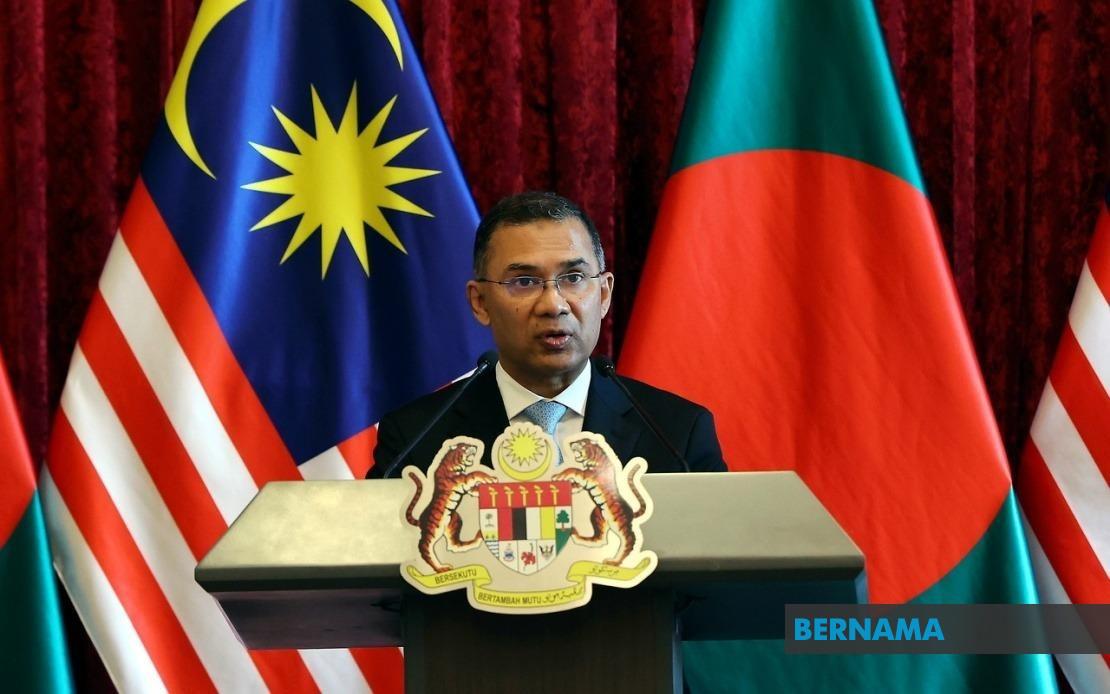
The presence of Malaysian High Commissioner to Bangladesh Mohd Shuhuda Othman at the Dhaka event underscored the official significance attached to strengthening bilateral economic relations. As the senior diplomatic representative of Malaysia in Bangladesh, Othman's participation signalled Malaysia's commitment to the partnership and its openness to exploring deepened cooperation. His attendance also provided an opportunity for Malaysia to hear directly from Bangladeshi business and government leaders about priorities and expectations for bilateral engagement.
Mohammad Fazlul Haque, administrator of the Federation of Bangladesh Chambers of Commerce and Industry (FBCCI), also participated in the proceedings. The FBCCI represents a broad cross-section of Bangladesh's private sector and serves as an influential voice in shaping the nation's trade policy. Haque's involvement highlighted the business community's investment in strengthening ties with Malaysia and its role as a constructive partner in bilateral dialogue.
The timing of these discussions carries particular significance for Malaysia, which has been gradually expanding its diplomatic and commercial footprint across South Asia. Bangladesh, as the world's eighth most populous nation with over 170 million people and a growing consumer market, represents an attractive destination for Malaysian businesses seeking to diversify their regional operations. Similarly, Bangladesh views Malaysia as a model for industrial development and a gateway to broader ASEAN economic opportunities.
Rahman's June visit to Malaysia, though relatively brief, appears to have generated tangible momentum for bilateral engagement. Such high-level visits serve multiple purposes: they demonstrate political commitment, facilitate senior-level negotiations on specific issues, and provide symbolic validation of the partnership's importance. The endorsement of this visit by Hossain and other Bangladeshi officials suggests that the discussions held during the June trip yielded outcomes that both governments view as beneficial.
Looking forward, the challenge for both Bangladesh and Malaysia lies in translating rhetorical commitments into concrete results. Economic partnerships require sustained effort, regulatory alignment, and systematic removal of barriers to trade and investment. Both nations must work to facilitate easier movement of goods, services, and capital across their borders. Investment agreements, trade facilitation measures, and sectoral cooperation frameworks can all help deepen practical engagement beyond symbolic diplomatic gestures.
The call for increased Malaysian imports from Bangladesh also reflects broader dynamics within South Asia regarding economic diversification and industrial development. Bangladesh has successfully transformed itself into a manufacturing powerhouse, particularly in textiles and apparel. Yet many Bangladeshi entrepreneurs and policymakers recognise that over-reliance on traditional sectors leaves the economy vulnerable. Accessing Malaysian markets offers opportunities to build trade relationships that could extend into higher-value-added sectors and modern manufacturing.
For Malaysian policymakers and business leaders, the case for deeper engagement with Bangladesh is compelling. The country's young, growing workforce and improving infrastructure create opportunities for regional manufacturing and trade networks. As global supply chains become more regionalised and companies seek alternatives to China, Bangladesh offers attractive options for investments and sourcing. Malaysia's established position as a regional economic hub positions it well to facilitate and benefit from such expanded engagement with South Asia's largest economy.
The ministerial commentary on Bangladesh-Malaysia relations ultimately signals that both governments see significant potential for growth in the coming years. Whether this translates into substantive economic gains for businesses and workers in both nations will depend on the follow-through and practical measures implemented by government agencies and private-sector actors in the months ahead.

