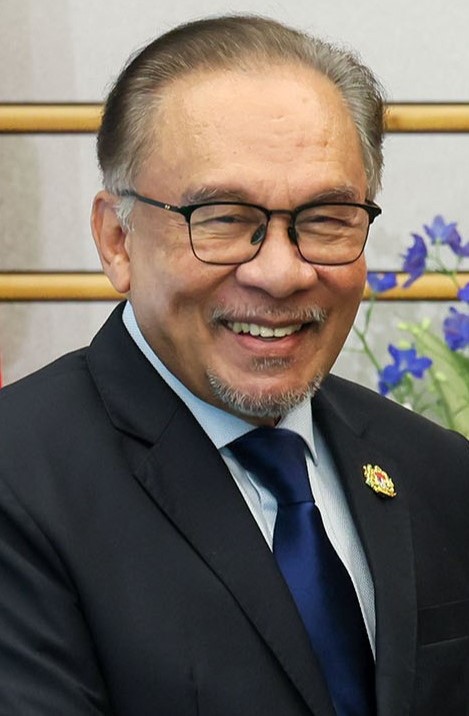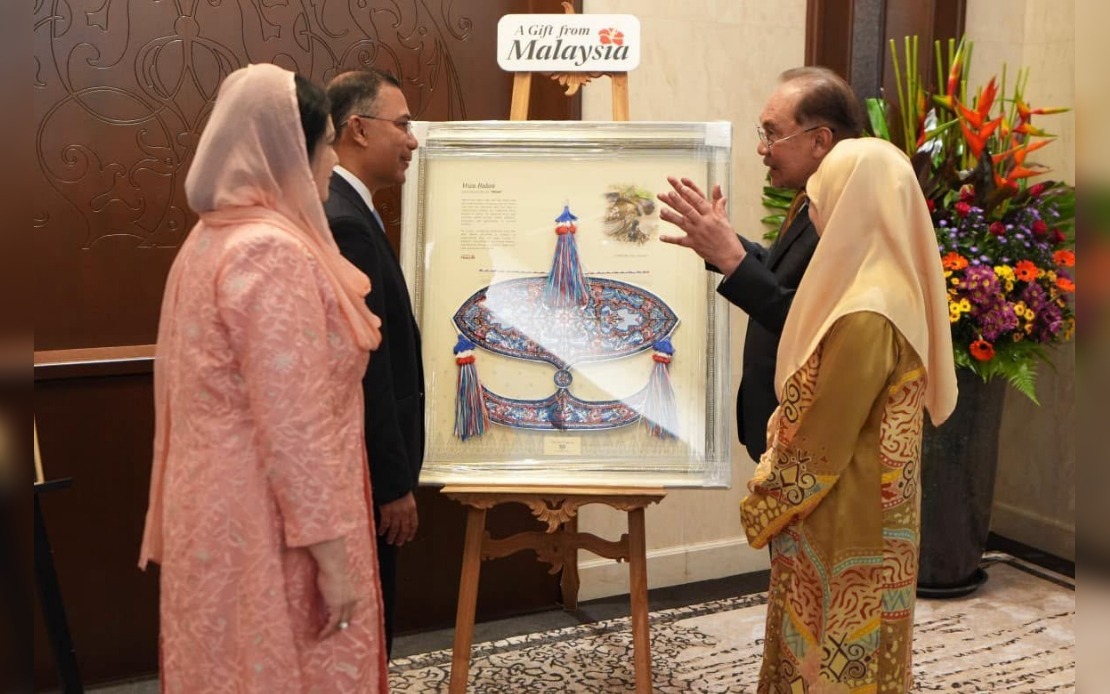
Bangladesh Prime Minister Tarique Rahman departed Malaysia on Monday after completing his first official state visit as premier, leaving behind commitments to deepen engagement with Malaysian counterpart Datuk Seri Anwar Ibrahim across a wide spectrum of shared interests. The visit underscored both nations' determination to move their relationship beyond ceremonial exchanges toward substantive cooperation that benefits citizens on both sides.
Rahman expressed his government's profound appreciation for the reception extended during his time in Malaysia, acknowledging the hospitality demonstrated by Prime Minister Anwar Ibrahim and his spouse Datuk Seri Dr Wan Azizah Wan Ismail. The Bangladeshi leader, accompanied by his wife Dr Zubaida Rahman, emphasised that the warmth shown by Malaysia's leadership and citizenry reflected deeper bonds rooted in shared values and regional aspirations. Through a statement via the Bangladesh Ministry of Foreign Affairs, he stressed that such diplomatic courtesy carried symbolic weight beyond protocol, representing genuine mutual respect between governments.
The substance of bilateral discussions centred on reinforcing existing frameworks while exploring fresh avenues for partnership. Rahman highlighted Bangladesh's particular value placed on both bilateral channels and multilateral cooperation mechanisms linking the two countries, signalling that engagement would span official government-to-government initiatives as well as grassroots connections. This dual-track approach reflects contemporary diplomatic practice where formal agreements gain strength when supplemented by robust people-to-people networks spanning business, education, culture and civil society.
Connectivity across communities emerged as a thematic priority throughout Rahman's interactions with Malaysian leadership. The Bangladeshi premier specifically underscored how diverse sectors—from commerce to academia, from tourism to labour migration—already bind the two populations together. This emphasis on multifaceted linkages acknowledges the reality that Malaysia hosts a substantial Bangladeshi diaspora engaged in construction, manufacturing, domestic work and professional services, creating natural constituencies invested in strong bilateral relations. Similarly, Malaysian investors maintain significant operations within Bangladesh's growing industrial base.
Rahman's remarks carried historical resonance through references to his family's role in shaping Bangladesh's post-independence trajectory. Invoking his father, Shaheed President Ziaur Rahman, and his mother, Begum Khaleda Zia, who served as Prime Minister, the current premier positioned Bangladesh-Malaysia ties within a generational continuum of statecraft. This genealogical framing suggested that commitment to the Malaysian partnership represents consistent policy across Bangladesh's leadership eras rather than fluctuating with particular administrations, offering reassurance of stability to Malaysian policymakers.
The timing of Rahman's visit carries regional significance given the evolving geopolitical landscape in South and Southeast Asia. Bangladesh, as a large Muslim-majority nation and emerging economy, represents a strategic partner for Malaysia in navigating complex regional dynamics. Enhanced bilateral coordination potentially strengthens both nations' diplomatic influence within multilateral forums including the Organisation of Islamic Cooperation and ASEAN-related mechanisms where Bangladesh participates as a sectoral dialogue partner. Closer ties also facilitate coordination on shared concerns ranging from maritime security to counterterrorism.
Economic dimensions underlying the partnership warrant particular attention for Malaysian stakeholders. Bangladesh's garment and textile industries, among the world's largest, intersect with Malaysian manufacturing and trade interests. Infrastructure projects under consideration could deepen supply chain integration, while increased bilateral trade flows promise benefits for businesses in both countries. Investment flows in either direction remain below potential given the complementary nature of respective economies, suggesting room for growth through targeted business missions and regulatory alignment.
Rahman's acknowledgement of Malaysian King Sultan Ibrahim's engagement during the visit reinforced the ceremonial importance accorded this mission by Bangladeshi leadership. Meetings with the constitutional head of state represent significant diplomatic gestures, typically reserved for visits of considerable strategic weight. This protocol elevation suggests that Bangladesh views its Malaysian relationship as among its most important bilateral partnerships, meriting top-level engagement across both executive and constitutional leadership.
Moving forward, both governments face practical challenges in translating warm rhetoric into concrete outcomes. Previous bilateral agreements require effective implementation through dedicated institutional mechanisms and adequate resourcing. Regular high-level visits, ministerial dialogues and sectoral working groups will determine whether this renewed diplomatic warmth produces lasting institutional development. Malaysian readers should anticipate enhanced engagement initiatives in coming months, potentially including business forums, cultural exchanges and expanded educational scholarship opportunities for Bangladeshi students.
The broader regional context suggests that Bangladesh-Malaysia cooperation contributes to a healthier South and Southeast Asian ecosystem characterised by constructive relationships rather than zero-sum competition. As both nations navigate demographic changes, climate challenges and economic transitions, collaborative approaches offer better prospects than isolated national strategies. Rahman's visit signals Bangladesh's readiness to invest diplomatic capital in strengthening regional partnerships, with Malaysia positioned as a key counterpart in this effort.
For Malaysian policymakers, the visit presents an opportunity to consolidate gains in bilateral relations while exploring new frontiers for cooperation. The stated commitment to working closely suggests that both governments recognise mutual benefits from enhanced engagement. Whether this translates into measurable improvements in trade, investment, educational exchange and people-to-people connectivity will become apparent as months progress and follow-up mechanisms are activated by respective bureaucratic structures responsible for implementing agreed initiatives.