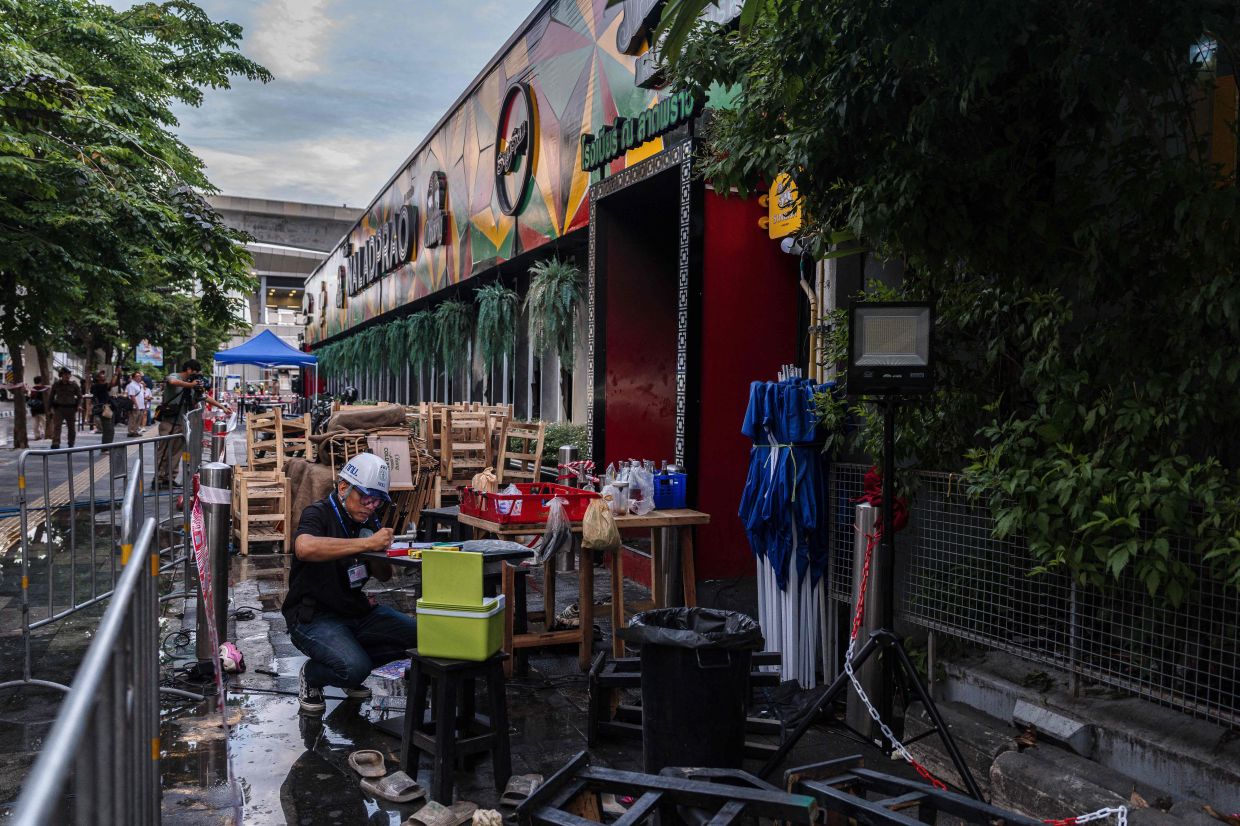
Tragedy struck Bangkok early Monday morning when a blaze swept through a restaurant and brewery-style venue in the Lat Phrao area, resulting in one of the capital's deadliest recent fire incidents. The disaster claimed 27 lives—nine men and 18 women—while leaving 18 others injured. The severity of the casualties has prompted swift action from Bangkok's municipal leadership, with Governor Chadchart Sittipunt establishing a dedicated coordination centre to support bereaved families and directing immediate safety audits across the city.
Governor Chadchart arrived at the scene just 100 minutes after the fire was reported, witnessing the aftermath of a disaster that exposed critical gaps in emergency response and building safety protocols. His swift establishment of the Chatuchak District Office coordination centre reflects the urgency with which authorities are attempting to contain the fallout and provide organised assistance to those affected. The centre serves as a single point of contact for relatives seeking verified information about victims, given that formal identification procedures were still ongoing at the time and exact casualty details remained preliminary.
The fire's rapid progression through the venue has become a central focus of investigators seeking to understand how the blaze claimed so many lives in such a short timeframe. According to Suriyachai Rawiwan, director of Bangkok's Fire and Rescue Department, emergency responders arrived approximately five minutes after receiving the alarm, yet they discovered flames already engulfing much of the building. The thick smoke that filled the interior proved catastrophic, creating visibility conditions that made it nearly impossible for rescue teams to navigate and locate trapped patrons. Many victims apparently sought refuge in rear toilets rather than moving toward exits, a behaviour pattern that would later inform theories about evacuation route effectiveness and occupant awareness.
Two emergency exits existed at the rear of the building, yet their presence failed to prevent the high death toll, suggesting complications beyond mere availability. Preliminary observations revealed that some victims were found near an emergency exit on the building's left side, where debris and obstructions may have prevented escape. These details point to systemic failures in both structural safety and fire emergency procedures. The layout itself appears problematic, with one of the two identified escape routes passing through the kitchen—a configuration that could prove impassable during an active fire.
Governor Chadchart's initial assessment of the fire's behaviour has raised particular concerns about the building's interior materials. The rapid spread of flames across the ceiling, combined with the observation that plastic furniture in certain areas showed comparatively minimal damage, suggests that toxic smoke from decorative materials may have overcome victims before they could reach safety. This preliminary theory indicates that occupants may have lost consciousness from smoke inhalation rather than experiencing direct thermal injuries, underscoring the critical importance of material safety standards in public venues. However, Chadchart cautioned that specialist investigation remains necessary before definitive conclusions can be reached regarding the exact cause of death.
Most victims are believed to have died from smoke inhalation, though authorities have emphasized that forensic findings and comprehensive investigation are required before officially confirming causes of death. The distinction matters significantly for future prevention measures, as different causative factors point to different regulatory and design interventions. If smoke toxicity proves to be the primary factor, then material composition standards and ventilation systems become paramount. Conversely, if physical barriers to exits are implicated, then egress route management and signage visibility emerge as critical reform areas.
The cause of the fire itself remains under active investigation by forensic specialists and police. Authorities have taken possession of the scene and are working methodically to determine the point of origin and ignition source. This investigation will inform efforts to prevent similar incidents, though preliminary findings suggest that existing safety protocols at the venue may have been inadequate or inadequately enforced. The investigation phase is crucial not only for understanding this specific incident but for identifying systemic weaknesses in how Bangkok's hospitality venues are regulated and supervised.
Governor Chadchart has articulated three immediate priorities for the Bangkok Metropolitan Administration in the fire's aftermath. The first involves providing systematic support to affected families through the newly established coordination centre. The second focuses on urgent examination of the venue's operating documents and compliance status with municipal regulations. The third, and perhaps most consequential, involves a comprehensive audit of the building's fire-escape systems to determine whether they met legal requirements and modern safety standards. These parallel efforts reflect recognition that crisis response and long-term prevention require simultaneous attention.
The safety review ordered by Chadchart represents a broader initiative that will likely extend beyond the incident venue itself. Inspections will evaluate the number and condition of fire exits at the damaged premises, the clarity and visibility of emergency-exit signage, and whether evacuation routes have been obstructed by stored goods or equipment. Investigators will specifically assess whether the building's two escape routes complied with safety requirements and whether their design and location adequately served the venue's occupant load. These technical assessments will inform regulatory enforcement decisions and may trigger wider municipal safety audits.
Among the 18 injured survivors, eight sustained serious injuries requiring intensive treatment, seven experienced moderate injuries, and three suffered minor harm. All have been hospitalized, with ongoing medical assessment determining the nature and extent of smoke inhalation and thermal injuries. The survival experiences of these individuals will likely provide valuable testimony about evacuation conditions and occupant behaviour during the crisis, contributing essential details to the investigation.
For Malaysian readers and regional observers, this Bangkok incident carries sobering implications about fire safety enforcement in Southeast Asian hospitality venues. Many establishments across the region operate under similar regulatory frameworks and may harbor comparable safety vulnerabilities. The Bangkok disaster underscores the need for rigorous compliance monitoring, regular safety audits, and worker training in emergency procedures. Regulatory bodies throughout Southeast Asia may face pressure to review their own oversight mechanisms and consider whether current enforcement levels adequately protect public safety in high-occupancy venues.
The Bangkok Metropolitan Administration's commitment to accelerating assistance efforts and conducting comprehensive safety reviews signals recognition that bureaucratic processes must give way to urgent action when public safety is at stake. Governor Chadchart's direct involvement and visible leadership at the scene demonstrates the political sensitivity surrounding the incident. Coming months will reveal whether the Bangkok authorities' promised reforms translate into substantive regulatory changes or remain largely symbolic gestures. The success or failure of these efforts will significantly impact public confidence in the safety of Bangkok's nightlife venues and may influence how other Southeast Asian cities approach hospitality venue regulation.

