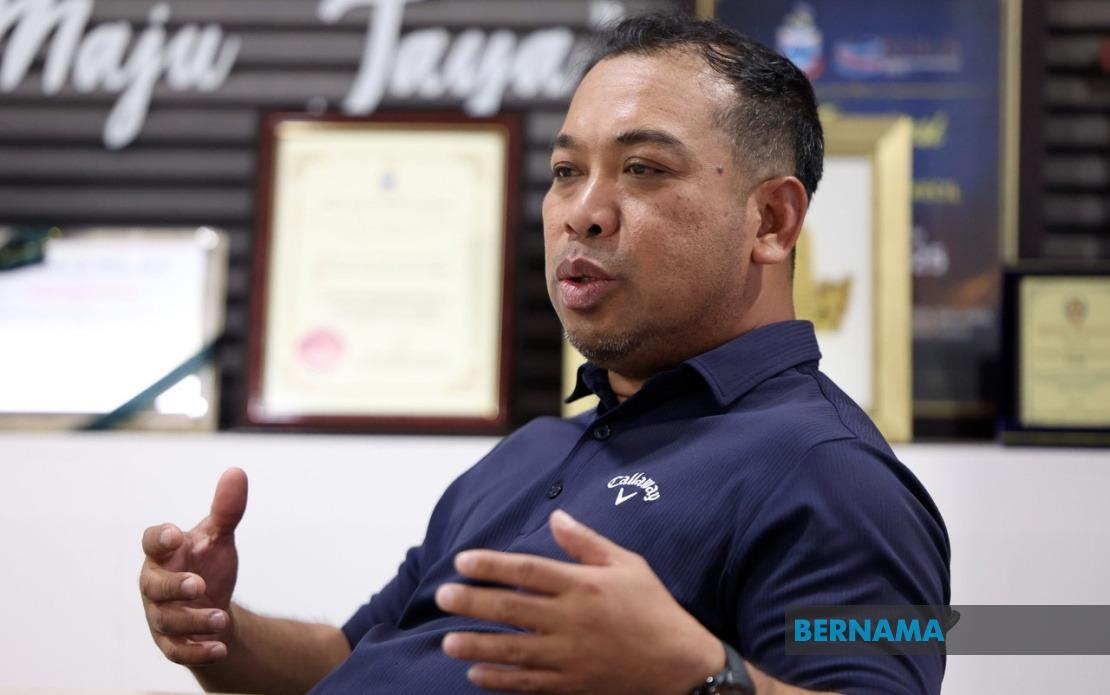
Pulau Banggi, a remote island in Kudat within Sabah's northern waters, stands at a critical juncture in its infrastructure development. The island's Member of Parliament, Datuk Mohamad Mohamarin of Gabungan Rakyat Sabah (GRS), has formally submitted a substantial proposal to the federal government requesting the construction of a new paved and concrete road network stretching approximately 37 kilometres between Kampung Meliu and Kampung Dogoton. With an estimated budget exceeding RM300 million and structured across three implementation phases, this initiative represents one of the most significant infrastructure requests from the constituency in recent years.
The proposal was formally presented to Prime Minister Datuk Seri Anwar Ibrahim during his official visit to Pulau Banggi on May 9, underscoring the government's acknowledgement of the island's developmental challenges. During parliamentary debates on the Supplementary Supply Bill 2026 at the Sabah State Legislative Assembly, Mohamad Mohamarin articulated the pressing need for this connectivity improvement, emphasising how existing transportation networks have constrained economic and social progress on the island.
The current road infrastructure on Pulau Banggi paints a sobering picture of developmental neglect. Although the island boasts approximately 81 kilometres of main roads, a staggering 67 kilometres remain unpaved, with only 14 kilometres surfaced in asphalt or concrete. More troubling still, even these limited paved sections have deteriorated significantly into disrepair, characterised by extensive potholes and structural damage that have contributed to multiple fatal traffic accidents over recent years. This dangerous state of affairs has rendered basic transportation hazardous for residents and has become an impediment to economic activities and emergency services access.
The infrastructure shortcomings extend beyond Pulau Banggi itself. The Banggi constituency encompasses several other islands including Pulau Balambangan, Tanjung Manawali, Pulau Sibogo, and Pulau Tigabu, each facing their own connectivity challenges. The exclusion of these satellite islands from the main 81-kilometre road count highlights the fragmented nature of transportation infrastructure across the entire constituency, creating a complex puzzle for authorities tasked with regional development planning.
Despite various high-profile visits and announcements by state and federal leadership, tangible progress remains elusive. Chief Minister Datuk Seri Hajiji Noor and Prime Minister Anwar Ibrahim have both visited Pulau Banggi to unveil development initiatives, yet Mohamad Mohamarin expressed frustration that these announcements have not translated into substantial funding allocations to address the island's entrenched infrastructure deficiencies. The gap between political promises and budgetary commitments continues to widen, leaving residents questioning the genuine commitment to island development.
Mohamad Mohamarin specifically challenged the Sabah Works Ministry to clarify whether the critical rehabilitation of the existing 14-kilometre paved section features in the current year's budget or implementation schedule. Given the safety implications of the road's deteriorating condition, this question carries particular urgency. The normalisation of fatal accidents on inadequate roads has become unacceptable, and responsible governance demands that maintenance and repair work receive priority attention before new construction projects commence.
Beyond road infrastructure, the MP has articulated a complementary vision for Pulau Banggi's development centred on renewable energy. Mohamad Mohamarin has urged the state government to explore the feasibility of a wind energy project with generating capacity between 15 and 50 megawatts. Such a facility would address the island's chronic electricity supply constraints, a limitation that has historically deterred investment and hindered economic diversification on the island.
The interconnection between transportation and energy infrastructure cannot be overstated in the context of island development. Reliable roads facilitate the delivery of materials, services, and personnel necessary for maintaining and expanding power generation facilities. Conversely, adequate electricity supply enables the operation of road maintenance equipment and supports the emergence of services sector activities that depend on predictable power availability. By advancing both initiatives simultaneously, the island could experience a multiplier effect in economic development.
For Malaysian policymakers and regional observers, Pulau Banggi's situation exemplifies the infrastructure gap that persists in many peripheral constituencies across East Malaysia. Despite constitutional commitments to equitable development and political rhetoric emphasising inclusive growth, remote islands and rural areas frequently experience delayed implementation of basic services. The RM300 million road project, whilst substantial, remains modest compared to contemporary infrastructure investments in peninsular Malaysia, yet its approval remains uncertain after more than two months since the formal proposal was presented.
The broader implications for Sabah's development agenda are significant. Pulau Banggi's isolation has constrained its contribution to the state economy and limited opportunities for its residents to participate in regional commerce and employment markets. Improved connectivity could catalyse agricultural exports, fishing industry modernisation, and tourism potential, thereby contributing meaningfully to Sabah's economic diversification objectives. The island's strategic location in the Sulu-Sulawesi region also carries geopolitical dimensions that warrant consideration in national infrastructure planning.
The funding timeline remains uncertain, and bureaucratic processes may further delay implementation. Mohamad Mohamarin's parliamentary intervention signals that the island's concerns have reached the highest levels of state government attention, yet the conversion of political acknowledgement into fiscal allocation requires competing prioritisation against demands from other constituencies. The three-phase project structure suggests flexibility in implementation pace, potentially enabling staggered funding across multiple budget cycles.
As Sabah continues navigating post-pandemic recovery and competing development priorities, the case for Pulau Banggi's infrastructure investment strengthens on both equity and pragmatic grounds. The island's residents have endured decades of connectivity constraints; the time for action has arrived. Whether the federal government and state authorities respond with commensurate funding commitment remains the critical question that will determine whether Pulau Banggi finally emerges from its infrastructure deficit.

