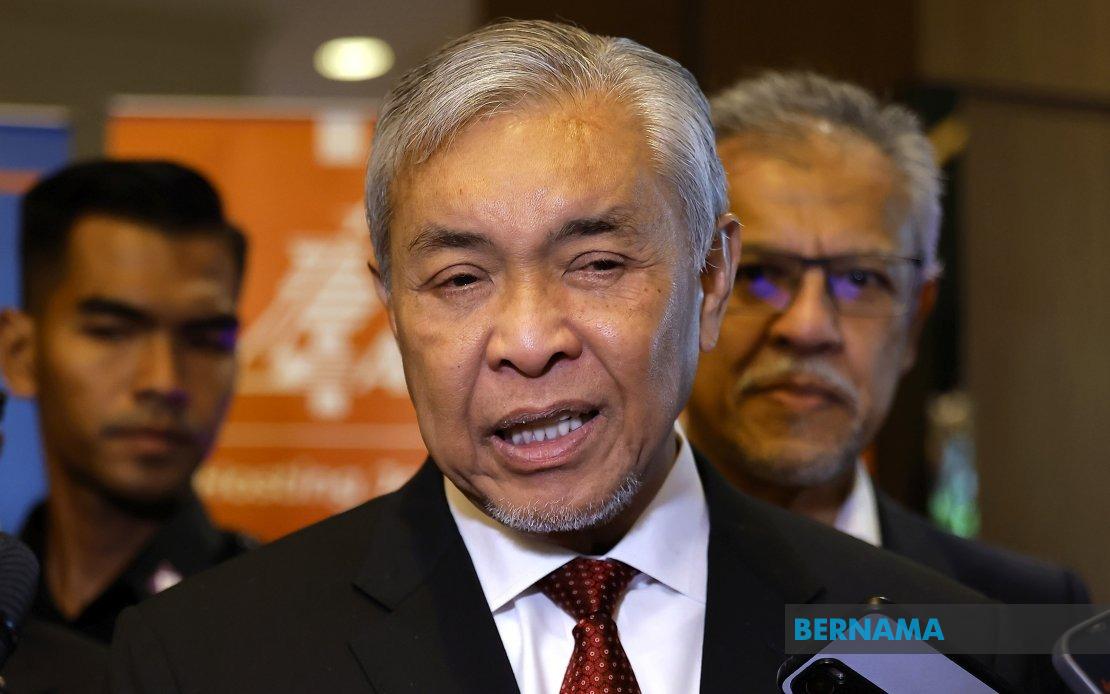
Malaysia is set to welcome the Formula One Bahrain Gulf Air Grand Prix to the Sepang International Circuit in October this year, with Deputy Prime Minister Datuk Seri Dr Ahmad Zahid Hamidi projecting the event will deliver far-reaching economic benefits that extend well beyond the weekend itself. Although the Kingdom of Bahrain will shoulder the direct hosting costs, Malaysia stands to gain considerably through elevated international tourism, unprecedented global media visibility, and enhanced prospects for future sporting investments and events. The race represents a strategic opportunity to maximise the utilisation of world-class infrastructure that has largely remained dormant outside of annual MotoGP commitments.
Ahmad Zahid emphasised the magnitude of the international audience exposure during his remarks at the National Air Disaster Preparedness 2026 workshop in Sepang. The event will attract millions of television viewers across the globe and position Malaysia prominently on the world's sporting calendar, reaching billions of people through broadcast media and digital platforms. This extraordinary reach translates into organic marketing that would cost substantially more to achieve through conventional advertising channels. The Sepang International Circuit, recognised as a premier motorsports facility meeting international standards, will demonstrate its capacity to manage events of the highest calibre, reinforcing confidence among promoters and broadcasters regarding Malaysia's sporting infrastructure.
The venue's established reputation and proven track record hosting MotoGP annually provide a solid foundation for managing Formula One operations. However, Ahmad Zahid acknowledged that SIC's facilities have remained significantly underutilised beyond the motorcycle racing series. The injection of F1 activity represents a critical step toward maximising returns on Malaysia's substantial infrastructure investment and positioning the circuit as a genuinely multipurpose international venue. Success with the Bahrain-hosted event could catalyse broader interest from other Formula One stakeholders in utilising Malaysian facilities for testing, development, and future competitive calendars.
Acknowledging the financial realities of hosting major sporting events, Ahmad Zahid outlined a strategic vision for Malaysia's future in Formula One competition. While Bahrain assumes primary financial responsibility for this inaugural race, Malaysia should view the experience as a stepping stone toward eventually securing its own dedicated Formula One Grand Prix. The Deputy Prime Minister indicated that sustained government backing combined with robust private sector partnerships would be essential prerequisites for Malaysia to independently host a Formula One event in subsequent years. This approach mirrors the established blueprint for successfully managing MotoGP, which now operates under a collaborative framework rather than relying solely on government allocations.
The financial model Ahmad Zahid referenced represents a fundamental shift in how Malaysia approaches premium sporting events. Rather than depending exclusively on budgetary allocations filtered through the Ministry of Youth and Sports via the Ministry of Finance, significant international events should be structured as collaborative ventures incorporating corporate sponsorships, development project partnerships, and shared organisational responsibility. This "smart partnership approach" reduces the burden on public finances while distributing risk across multiple stakeholders with vested interests in the event's success. The MotoGP experience demonstrates this model's viability, having sustained Malaysia's motorsporting presence despite fluctuating government spending priorities.
Formula One and the International Automobile Federation formally confirmed yesterday that Malaysia would host the Bahrain Grand Prix at Sepang International Circuit from October 2 to 4, 2026, contingent upon finalising contractual agreements and securing necessary approvals from the World Motor Sport Council. The fixture occupies a strategically significant position within the global Formula One calendar, scheduled between the Azerbaijan Grand Prix and Singapore Grand Prix. This placement ensures Malaysia benefits from the continental momentum of Middle Eastern and Asian racing seasons while maintaining proximity to Southeast Asia's other major sporting venues.
The timing positions Malaysia advantageously within regional tourism and investment flows. The October window coincides with optimal weather patterns for Sepang, avoiding the peak monsoon season that could disrupt operations or deter international visitors. Proximity to the Singapore Grand Prix, one of Formula One's most prestigious nocturnal races, creates a natural tourism corridor where international visitors might extend regional trips to experience both events. This synergy amplifies Malaysia's appeal to global motorsporting enthusiasts and related hospitality sectors, from airlines and hotels to restaurants and entertainment venues.
For Malaysia's tourism industry, the implications extend across multiple dimensions. International visitors attending the Bahrain F1 event will generate substantial spending within the country, supporting accommodation providers, food and beverage establishments, and entertainment venues throughout the Klang Valley and broader Selangor region. The event's global broadcast exposure simultaneously functions as a tourism advertisement, familiarising hundreds of millions of potential future visitors with Malaysia's facilities and attractiveness as a destination. This earned media equivalent cannot be purchased through traditional marketing expenditure, representing genuine added value beyond the immediate economic injection of race-related spending.
Investment opportunities emerging from F1 hosting extend to infrastructure development, technology transfer, and automotive sector growth. International corporations associated with Formula One operations often establish regional facilities in host countries, bringing employment and technological expertise. Malaysia's positioning as a growing automotive manufacturing hub and Southeast Asian technology centre makes the country an attractive location for racing-related businesses. Successful hosting of the Bahrain F1 event could stimulate conversations regarding permanent facilities development, supply chain establishment, and research partnerships that generate longer-term economic value than the race weekend itself.
Ahmad Zahid's emphasis on Malaysia's future participation in Formula One underscores the government's recognition that major sporting events represent strategic national assets meriting coordinated policy attention. The Bahrain Grand Prix functions as both an immediate revenue generator and a credential-building exercise demonstrating Malaysia's capability to manage premier international competitions. Success this October establishes the foundation for future negotiations regarding Malaysia's independent hosting of a Formula One Grand Prix, positioning the country competitively against other aspiring venues within Asia and globally.
The partnership model outlined by Ahmad Zahid reflects contemporary realities of international sports promotion. Governments alone cannot sustainably fund events of F1's scale and complexity. Instead, successful venues combine public sector commitment with private investment, ensuring financial viability while maintaining competitive autonomy. Malaysia's experience with MotoGP provides valuable institutional knowledge applicable to Formula One operations, creating an advantage over nations without comparable motorsporting infrastructure or management experience. The October 2026 event thus represents more than a single-year occurrence; it constitutes a strategic investment in Malaysia's long-term positioning within global sports entertainment markets and international investment flows.

