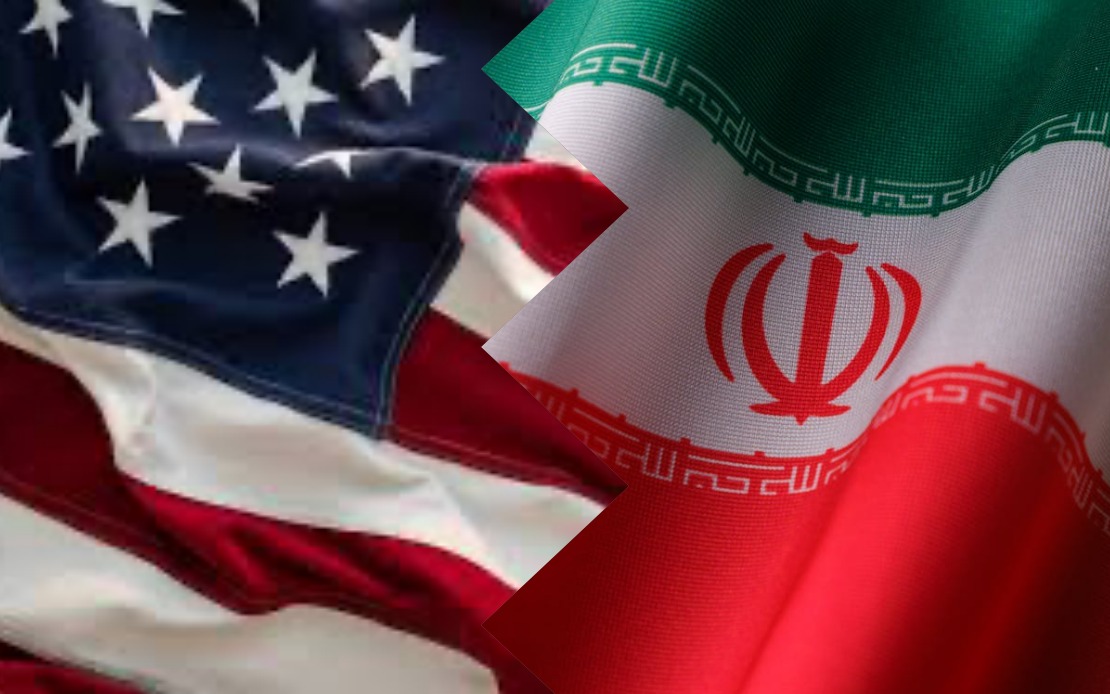
The escalating tensions in the Persian Gulf intensified early Wednesday when Bahrain activated its civil defence alert system, signalling a direct threat from Iranian military activity in the region. The simultaneous occurrence of US military strikes on Iranian targets and the triggering of sirens in Bahrain underscored the volatile security environment affecting one of the world's most critical maritime chokepoints and a strategically vital location for global energy transit.
Bahrain's Ministry of Interior issued a brief public notice instructing citizens and residents to remain calm and proceed to the nearest designated safe shelter, though officials initially withheld details about what had prompted the alert. The terse government announcement reflected the carefully managed communication typical during military crises, where authorities balance the need to warn the public with concerns about triggering panic or revealing security vulnerabilities.
According to reporting by the Axios news organisation, US officials indicated that Iran's armed forces had launched unmanned aerial vehicles toward Bahrain, providing a concrete explanation for the defensive measures implemented by the Gulf state. This development marked a significant escalation in the tit-for-tat military exchanges that have characterised relations between Washington and Tehran over recent months, particularly regarding attacks on international commercial shipping in waters vital to global trade.
The trigger for this latest round of military action centred on Iranian attacks against merchant vessels traversing the Strait of Hormuz, a vital sea lane through which roughly one-third of global seaborne petroleum passes daily. Iran's targeting of commercial shipping had prompted Washington to take direct action through its military apparatus operating in the region, demonstrating a willingness to use force to protect international navigation rights and commercial interests in these contested waters.
The US Central Command announced completion of what it characterised as an immediate response operation, confirming that American military forces had struck more than 80 targets across Iranian territory. CENTCOM framed these strikes as a proportionate and necessary reaction to Tehran's hostile actions against commercial vessels, underlining Washington's commitment to maintaining freedom of navigation in international waters and protecting the global shipping industry from Iranian interference.
For Malaysia and other Southeast Asian nations, these developments carry significant implications despite geographical distance. As a major trading nation and energy importer, Malaysia depends heavily on the unimpeded flow of goods through the Strait of Hormuz, making any instability in the Persian Gulf a matter of direct economic concern. Malaysian shipping companies and merchants operating in these waters face heightened insurance costs and increased navigational risks, ultimately translating into higher prices for Malaysian consumers.
The presence of Iranian drone activity reaching toward Bahrain demonstrated the extended range of Tehran's military capabilities, a concerning development for regional states and their international partners. Bahrain, home to the US Navy's Fifth Fleet and hosting numerous American military installations, remains a prime target for Iranian retaliation, placing it at the centre of this strategic competition between Washington and Tehran.
The pattern of escalating incidents reflects deeper structural tensions in the region that extend beyond immediate maritime disputes. Tehran's actions targeting commercial shipping represent part of a broader strategy to challenge American military dominance and demonstrate resistance to what it views as illegitimate foreign interference in its sphere of influence. Meanwhile, Washington's rapid military response signals determination to maintain regional stability favourable to its strategic interests and those of its allies.
Regional observers note that such military exchanges carry inherent risks of miscalculation or unintended escalation. What begins as targeted strikes against specific facilities can rapidly expand into broader confrontations involving multiple actors, international shipping disruptions, and humanitarian consequences extending far beyond the immediate combatants. The presence of numerous international naval vessels, merchant ships, and commercial aircraft throughout the region creates a complex environment where accidents or misidentifications could trigger wider conflicts.
For Southeast Asian governments, particularly those maintaining diplomatic relations with both Iran and the United States, the situation presents delicate balancing challenges. Nations must navigate between economic and security interests tied to American partnerships while avoiding unnecessary provocations toward Iran. Malaysia's position as a respected moderate voice in international forums means that regional developments carry implications for its diplomatic standing and ability to influence broader Middle Eastern affairs.
The broader context of these incidents relates to longer-standing disputes over Iran's nuclear programme, international sanctions, and competing regional visions for Gulf security arrangements. Recent months have witnessed heightened tensions following various military incidents and alleged sabotage operations, each side claiming justification for its actions based on prior provocations by the other. This cycle threatens to become self-reinforcing, with each escalatory step creating justification for subsequent responses.
As commercial shipping transits these waters and global energy markets remain sensitive to supply disruptions, the international community increasingly recognises the need for mechanisms to reduce tensions and prevent unintended escalation. Establishing clear communication channels, developing confidence-building measures, and creating frameworks for managing incidents represent potential pathways toward stabilisation. Until such measures materialise, nations throughout Southeast Asia and beyond will remain vulnerable to the consequences of Persian Gulf instability.

