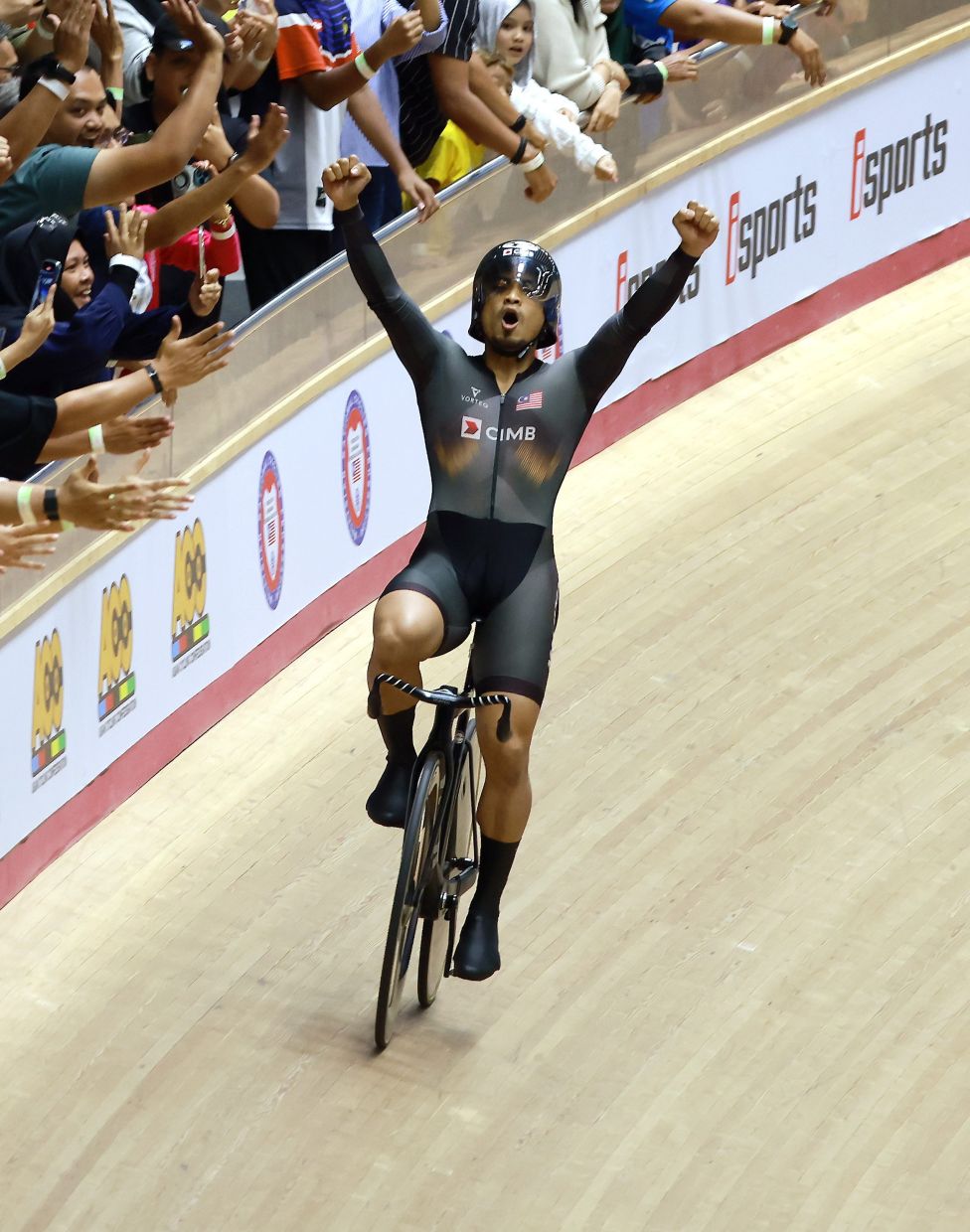
Emotional relief swept over Azizulhasni Awang when he opened his email at the velodrome on Merdeka Day, discovering that the National Sports Council and Youth and Sports Ministry had finally confirmed their continued backing for his Olympic aspirations. The 38-year-old track cyclist, visibly moved by the news, shared a heartfelt video on social media describing the overwhelming sense of vindication after days of uncertainty that had left him unable to focus on training. The confirmation marked the end of a frustrating period during which Azizul had publicly expressed his concerns about the lack of a clear decision from authorities, creating a minor political storm that drew widespread public sympathy and criticism of the relevant government bodies.
The extended delay in receiving official confirmation had taken a substantial psychological toll on the veteran cyclist. During his mandatory week away from training before the Commonwealth Games in Glasgow, Azizul found himself unable to concentrate on the sport that has defined his career. He described the experience in raw terms, explaining that when he returned to the velodrome for his first session, his body felt numb and his mind equally disconnected from the task at hand. This physical and mental disconnect underscored the deep anxiety he had experienced while waiting for the Ministry of Youth and Sports, under the leadership of Minister Taufiq Johari, and the National Sports Council to provide definitive guidance on his future.
Azizul had made his position abundantly clear in the weeks preceding the confirmation: he would only continue his competitive cycling career through to Los Angeles 2028 if the Malaysian sports establishment deemed his participation necessary and provided the requisite support. At 38 years old, having already enjoyed a distinguished career that included becoming a world champion in the keirin discipline, the athlete had long signalled his intention to step away from professional racing. Rather than extending his competitive life indefinitely, he wanted clarity on whether his country still needed him to pursue Olympic glory. This conditional stance was not about ego or leverage; it reflected a pragmatic assessment of what commitment to another Olympic cycle would demand of his ageing body and personal life.
The Malaysia National Cycling Federation earlier disclosed that it had received assurances from both the National Sports Council and the Youth and Sports Ministry that Azizul would receive the support infrastructure necessary to pursue Olympic qualification for Los Angeles 2028. This institutional backing matters considerably in Malaysian sport, where government-directed resources often determine whether elite athletes can access world-class coaching, training facilities, competition opportunities, and medical support. Without such confirmation, even an athlete of Azizul's calibre struggles to maintain the necessary competitive edge in an increasingly global and expensive sport.
The public campaign that built around Azizul's uncertainty proved decisive in prompting the authorities to act. Social media users rallied to his cause, expressing frustration that an athlete who had brought honour and medals to Malaysia faced such bureaucratic limbo. Minister Taufiq Johari and the National Sports Council came under considerable pressure from netizens and cycling enthusiasts who questioned why a simple decision about supporting a proven Olympic competitor had taken so long. The outcry reflected deeper concerns within Malaysian society about how the government manages elite sports talent and whether it demonstrates adequate appreciation for athletes who sacrifice their youth and health for national glory.
Azizul's emotional response to receiving the confirmation revealed the intensity of his attachment to the sport and his country, despite his advanced age in Olympic terms. His tears were not merely about personal relief; they represented vindication of his approach to his career and validation that his contributions to Malaysian cycling remained valued at the highest levels. The cyclist took care to acknowledge in his social media message that thousands of Malaysians had expressed support through messages and comments, emphasizing that he had not solicited this backing but profoundly appreciated the groundswell of encouragement from the public.
The resolution of this episode carries implications beyond Azizulhasni's individual circumstances. It demonstrates the power of public mobilization in holding sports administrators accountable and ensuring timely decisions affecting elite athletes. The incident also highlighted a potential weakness in how Malaysia's sports governance bodies communicate with competitors about their futures, particularly when athletes are approaching the twilight of their careers and require firm commitments to justify continued sacrifice. Had the National Sports Council and Youth and Sports Ministry acted more decisively from the outset, much of the uncertainty and accompanying controversy could have been avoided.
As Azizul now prepares his qualification campaign for Los Angeles 2028, he carries forward the momentum of public support and institutional backing. The track cyclist has reaffirmed his commitment to performing at the highest level for his nation, pledging to deliver his best efforts for the country and for the thousands of Malaysians who advocated on his behalf. His path to Los Angeles will not be easy; at 40 years old by the time of the Games, he will be among the oldest competitors in track cycling, competing against riders in their physical primes from wealthier nations with superior training infrastructure.
Yet Azizulhasni's journey to this point suggests he possesses the mental fortitude and technical mastery to overcome such obstacles. His history as a keirin world champion and multiple Olympic medalist indicates that he operates at a level where age becomes secondary to tactical acumen and competitive experience. The confirmation from Malaysia's sports authorities provides the platform he needs to pursue this final Olympic chapter with full institutional support.

