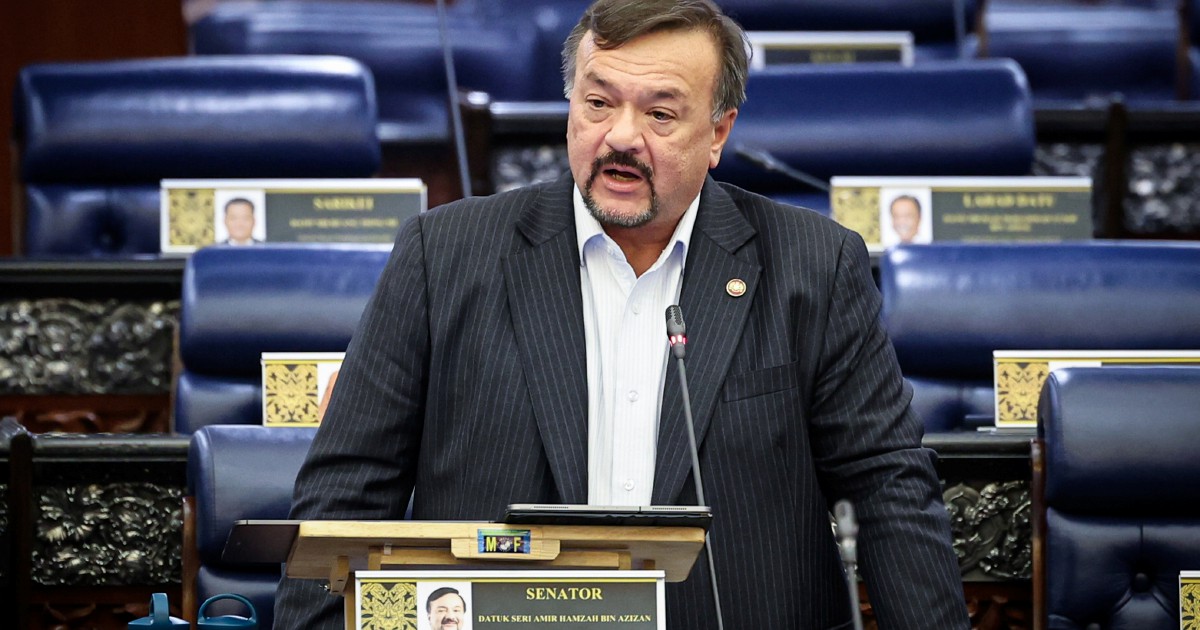
The Malaysian government is actively exploring the creation of a unified investigative body to examine alleged misconduct at Tabung Haji, according to Finance Minister II Datuk Seri Amir Hamzah Azizan. The proposed multi-agency task force would consolidate investigative efforts across different government departments and enforcement bodies, bringing together expertise and jurisdiction to address mounting concerns surrounding the country's largest Islamic financial institution that manages savings for Muslims undertaking the hajj pilgrimage.
Tabung Haji has faced mounting scrutiny over recent years, with various allegations concerning financial management, investment practices, and governance emerging into public discourse. The institution, which holds billions of ringgit in pilgrim deposits, plays a crucial role in the financial security of Malaysian Muslims preparing for their religious obligations. Any mismanagement or impropriety at the organisation carries significant implications not just for individual depositors but for public confidence in Islamic finance infrastructure across Malaysia.
The consideration of a task force represents an escalation in the government's approach to investigating the fund manager. Rather than allowing various agencies to conduct parallel or fragmented inquiries, consolidating investigative authority under a single coordinated framework could enhance efficiency and ensure comprehensive examination of allegations. This structural approach mirrors international best practices when tackling complex financial investigations involving multiple potential violations across different regulatory domains.
Datuk Seri Amir Hamzah Azizan's statement suggests the Finance Ministry recognises the complexity of alleged wrongdoing potentially spanning financial regulations, corporate governance standards, and anti-corruption legislation. A task force bringing together officers from the Malaysian Anti-Corruption Commission, Bank Negara Malaysia, the Securities Commission, and other relevant bodies would enable cross-agency information sharing and coordinated prosecutorial strategy. Such coordination proves particularly valuable when investigating institutional wrongdoing involving multiple decision-makers and layered transactions.
The proposal also indicates heightened political attention to governance standards within state-owned enterprises and financial institutions. Tabung Haji's prominence in Malaysian Islamic finance means that perceived failures or misconduct could undermine confidence not just in the organisation itself but in the broader ecosystem of Islamic financial institutions serving the Muslim majority population. Demonstrating decisive investigative action becomes both an accountability imperative and a confidence-restoration measure.
For depositors with savings held at Tabung Haji, the task force proposal carries dual significance. On one hand, a comprehensive investigation may uncover legitimate concerns warranting remedial action and enhanced safeguards. Conversely, thorough and transparent inquiry can provide reassurance that alleged irregularities are being addressed with appropriate seriousness. Given that millions of Malaysians maintain savings with Tabung Haji specifically for hajj expenses, public confidence in the institution's integrity directly affects their financial planning and religious observance.
The multi-agency approach also reflects the reality that investigating large institutional misconduct requires diverse expertise. Financial crime investigators, forensic accountants, corporate lawyers, and regulatory specialists each bring distinct competencies to understanding how alleged wrongdoing occurred, identifying responsible individuals, and determining appropriate remedies. Pooling these capabilities under unified command structure enhances investigative effectiveness compared to siloed efforts.
From a regional perspective, Malaysia's apparent commitment to investigating financial institutions rigorously sends important signals to the broader Southeast Asian market about governance standards and accountability mechanisms. Neighbouring countries with similar Islamic financial institutions and sovereign wealth funds observe how Malaysia addresses alleged misconduct at comparable entities, influencing their own governance frameworks and investor confidence.
The task force remains under consideration rather than confirmed establishment, suggesting ongoing discussions about mandate scope, leadership structure, and integration with existing investigative bodies. Government officials must balance the urgency of comprehensive inquiry against operational realities of consolidating multiple agencies' efforts. Clear terms of reference defining what alleged conduct requires investigation, what agencies hold which responsibilities, and what timeline governs the inquiry will prove essential for task force effectiveness.
Moving forward, Malaysians await further announcements regarding the task force's formal establishment, leadership appointments, and investigative parameters. The decision to proceed with such a coordinated approach would represent significant commitment to institutional accountability, but concrete results demonstrating investigation, prosecution where warranted, and implementation of remedial measures will ultimately determine whether the initiative succeeds in restoring public confidence and preventing future institutional misconduct.

