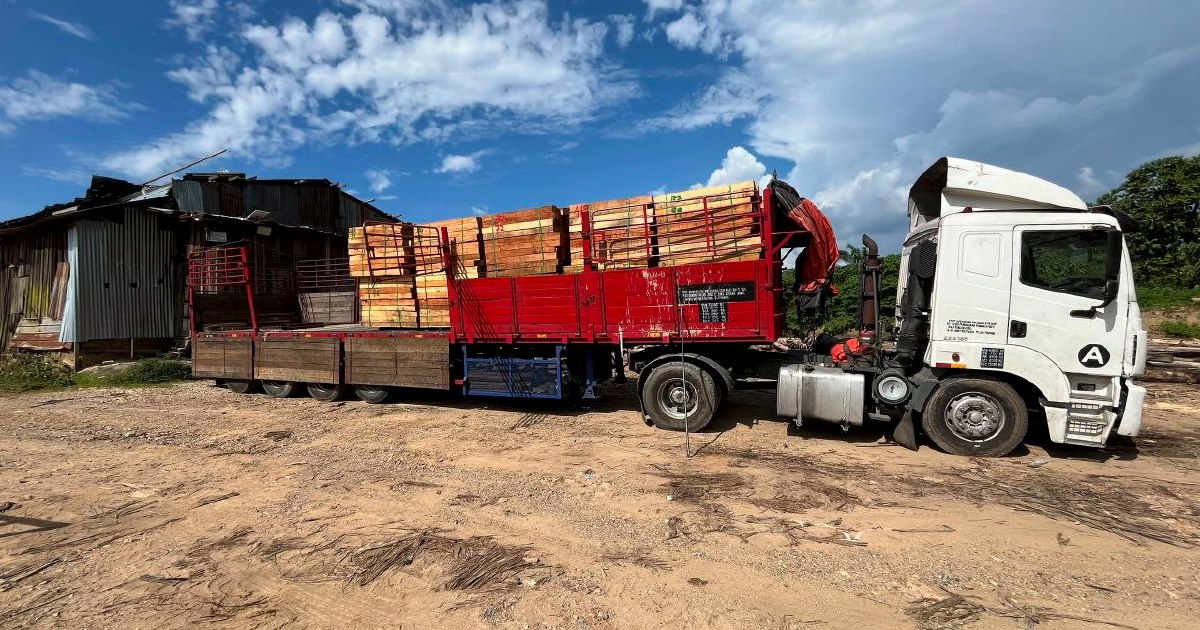
A coordinated law enforcement operation in Kuala Krai has yielded a significant victory against illegal timber processing operations. The raid on a factory premises located in Sungai Embak resulted in the apprehension of five individuals believed to be operating an unauthorised timber mill. The enforcement action uncovered substantial quantities of illegally processed and raw timber, alongside industrial equipment, with the combined haul valued at approximately RM2.32 million.
The seizure represents a substantial blow to illegal logging networks operating in Kelantan, a state that has long been under scrutiny for timber trafficking and environmental violations. The factory discovery indicates an organised operation far beyond small-scale or opportunistic logging, with the presence of specialised processing machinery suggesting these individuals were engaged in commercial-scale illegal timber extraction and refinement. The infrastructure investment required to establish such a facility demonstrates the profitability of illegal timber trade, even accounting for enforcement risks and penalties.
Illegal timber operations present a multi-faceted threat to Malaysia's forest resources and economic interests. Beyond the obvious environmental degradation caused by uncontrolled logging, these operations undermine the legitimate timber industry, distort market prices, and deprive the government of significant tax revenue. The parallel economy created by illicit timber trafficking can also facilitate cross-border smuggling networks and organised crime. Regional cooperation mechanisms, including initiatives with Thailand and other neighbouring nations, have become essential given the transnational nature of timber trafficking routes.
The Sungai Embak facility appears to represent part of a broader problem affecting Kelantan and the broader East Coast region. Previous raids and investigations have revealed sophisticated smuggling operations wherein illegally harvested logs are processed domestically to obscure their origins before being exported. When timber is processed locally, it becomes significantly more difficult for customs and enforcement agencies to trace the raw material back to illegal sources, making the downstream tracking of timber origin nearly impossible without robust documentation systems.
The capacity to maintain large-scale processing operations without detection underscores persistent gaps in surveillance and enforcement infrastructure. While the enforcement agency has clearly improved its intelligence gathering and operational capability—as evidenced by this successful raid—the discovery suggests that multiple similar facilities may continue operating elsewhere. The resources required to conduct comprehensive factory inspections and sustained monitoring remain stretched across multiple enforcement jurisdictions, creating opportunities for operators to relocate or temporarily suspend activities during heightened scrutiny periods.
For Malaysian businesses engaged in legitimate timber operations, such crackdowns provide both reassurance and context. International buyers and certification bodies increasingly demand traceability and legality verification, making competition from illegal operators both unfair and potentially damaging to Malaysia's international reputation as a responsible timber exporter. The RM2.32 million seizure, while significant, likely represents only a fraction of total annual illegal timber transactions across the state. Market estimates suggest the genuine scale of illegal logging and processing dwarfs individual enforcement successes.
The detained individuals now face potential charges under forest and wildlife conservation statutes, as well as regulations governing industrial operations and environmental protection. Penalties for illegal logging in Malaysia can include substantial fines and imprisonment, though prosecution outcomes depend on investigation thoroughness and evidence quality. Previous cases have demonstrated that successful prosecutions require careful documentation of all seized materials, chain-of-custody procedures, and expert testimony regarding timber species and processing stages.
The investigation phase will prove critical in determining whether these five individuals were independent operators or part of larger trafficking networks. Intelligence regarding their timber sources, intended destinations for processed timber, and distribution channels could illuminate the broader supply chain. Cooperation from arrested individuals, combined with forensic analysis of factory records and communications, may reveal connections to other illegal operations or reveal purchasing networks among downstream buyers who distributed the illicit timber to construction companies, furniture manufacturers, or exporters.
Regional consideration matters significantly for enforcement strategy. Kelantan's proximity to Thailand creates natural smuggling routes, and previous investigations have documented flows of Malaysian timber illegally entering Thailand before being re-exported with falsified documentation. Similarly, timber from across Southeast Asia sometimes enters Malaysia through porous borders, is quickly processed to obscure origins, then exported as purportedly Malaysian timber. Addressing this requires not only domestic enforcement capability but also systematic information sharing with ASEAN neighbours and international forestry bodies monitoring timber trade compliance.
The seizure underscores why comprehensive solutions must extend beyond individual raids. While successful enforcement operations generate important deterrent effects and disrupt specific operations, sustainable progress requires simultaneous investment in legal timber supply chains, improved monitoring technology, border security enhancement, and international cooperation mechanisms. Malaysia's timber industry stakeholders have increasingly advocated for stronger enforcement precisely because illegal competition undermines their business models and market access.

