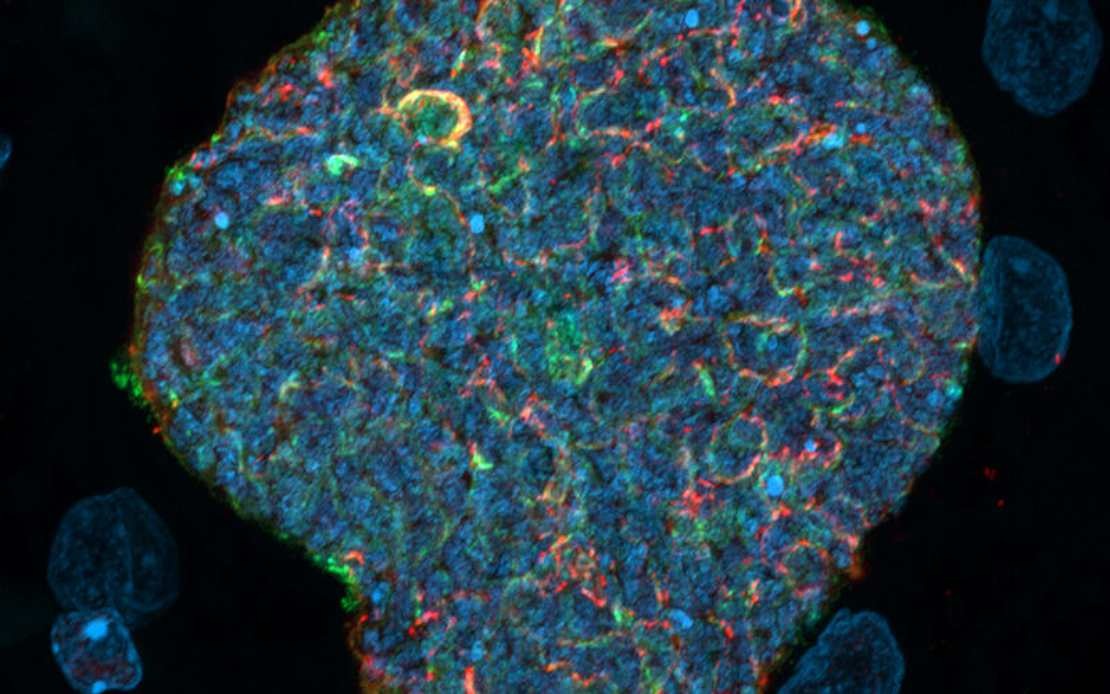
Researchers at Australia's Walter and Eliza Hall Institute of Medical Research have unveiled a groundbreaking approach to malaria prevention that could fundamentally reshape how communities in disease-endemic areas protect themselves from infection. Rather than viewing mosquito bites solely as vectors of disease transmission, the team has engineered a system that leverages natural insect contact to continuously strengthen immunity against the malaria parasite. This represents a significant conceptual shift in vaccination strategy, moving beyond traditional immunisation models toward a dynamic, environment-integrated defence mechanism.
The innovation centres on a dual-component system combining an initial vaccination phase with a novel class of antimalarial compounds developed collaboratively by WEHI and pharmaceutical company MSD. These investigational drug compounds function as precision parasiticide agents, intercepting malaria parasites at a critical developmental window. Specifically, the compounds halt parasite progression at the late liver stage, immediately before the organisms would breach into the bloodstream and trigger symptomatic disease. This strategic intervention point proves crucial because it allows the immune system to mount a robust response without the patient experiencing clinical malaria symptoms.
The mechanism underlying this approach capitalises on fundamental immunological principles. When the initial vaccination primes immune cells to recognise malaria parasites, subsequent natural mosquito bites—which inevitably occur in endemic regions—introduce live parasites that the prepared immune system can immediately suppress. Rather than causing infection, these natural exposures function as biological boosters, continuously reinforcing and strengthening existing immunity. This creates what researchers describe as a "vaccinate and boost naturally" framework, fundamentally different from conventional vaccination schedules requiring periodic clinic visits and injections.
For Southeast Asian nations including Malaysia, where malaria remains a public health concern particularly in peninsular and Borneo regions, this development carries significant implications. Malaysia has achieved considerable progress in malaria elimination through targeted vector control and treatment programmes, yet pockets of transmission persist in forested and remote areas where medical infrastructure remains limited. An approach that harnesses environmental parasite exposure rather than demanding regular healthcare facility access could substantially reduce implementation barriers in difficult-to-reach communities.
The research builds upon decades of immunological understanding regarding natural malaria exposure and acquired immunity. Communities in highly endemic regions develop partial protection through repeated parasitic encounters, a phenomenon researchers have long sought to replicate through controlled vaccination. This new strategy essentially accelerates and optimises that natural learning process, while simultaneously protecting initial recipients from clinical disease through the antimalarial compounds. The result is protection that improves continuously rather than remaining static.
Global malaria burden underscores the urgency of innovative intervention strategies. The World Health Organisation documented approximately 610,000 malaria deaths globally during 2024, with Sub-Saharan Africa accounting for the overwhelming majority of cases. Current prevention methods—antimalarial medications, insecticide-treated bed nets, and existing vaccines like RTS,S—have achieved important progress but face limitations regarding accessibility, cost, and coverage sustainability. Any approach offering improved feasibility and reduced operational burden merits serious development investment and clinical evaluation.
The pharmaceutical development trajectory indicates serious commercial commitment alongside scientific progress. WEHI and MSD have progressed the antimalarial compounds to the stage where long-acting injectable formulations are currently undergoing preclinical development. This pharmaceutical architecture suggests manufacturers envision deployment scenarios potentially involving periodic administered doses rather than constant daily medication, which would substantially improve real-world compliance and programme sustainability. Preclinical development typically requires approximately two to three years before regulatory authorities approve human testing, positioning human clinical trials potentially within the medium-term horizon.
Implementation in malaria-endemic regions would require careful epidemiological and operational planning. Initial vaccination campaigns would need to achieve sufficient population coverage to establish the immune-boosted cohort, after which natural mosquito-mediated boosting could maintain protection. Community acceptance would prove crucial, particularly regarding the conceptual shift from viewing all mosquito bites as purely harmful toward understanding mosquito contact as disease-preventing in a vaccinated population. Public health communication would require nuance to prevent unintended behaviour changes that might increase exposure among unvaccinated individuals.
The regulatory pathway for this novel approach remains somewhat unconventional, potentially requiring regulatory authorities to establish precedents for approval frameworks. Traditional malaria vaccines complete their development within controlled clinical environments and healthcare settings. This approach deliberately integrates natural ecological processes into the protective mechanism, requiring different safety and efficacy evaluation paradigms. Regulatory bodies including those in Southeast Asia would need to develop assessment methodologies addressing the biological and practical realities of parasite-mediated boosting under field conditions.
Regional malaria programmes in Southeast Asia, including those in Malaysia, Cambodia, Laos, and Myanmar, would likely pilot such approaches cautiously through controlled introduction in specific endemic zones. Success in these settings could inform broader rollout strategies and provide evidence supporting adoption in African regions bearing the heaviest malaria burden. The regional context matters substantially because Southeast Asian malaria epidemiology differs from African patterns—involving different parasite species, vector ecology, and local transmission dynamics that would influence deployment strategy optimisation.
Equitable access represents another important consideration as this technology moves toward commercialisation. Malaria disproportionately affects impoverished populations in resource-limited settings, yet pharmaceutical development typically prioritises markets with greater purchasing power. International partnerships between manufacturers, academic institutions, and global health organisations would prove essential to ensure that innovations reach populations bearing the greatest disease burden rather than remaining concentrated in higher-income nations.
The broader scientific significance extends beyond malaria control alone. This approach demonstrates principles potentially applicable to other parasitic and infectious diseases where natural transmission occurs in endemic settings. The concept of weaponising ecological contact points to provide immunological advantage could inspire similar strategies for dengue, leishmaniasis, and other vector-borne infections. As climate change expands mosquito-borne disease ranges in Southeast Asia, diversified prevention toolkit approaches become increasingly valuable.

