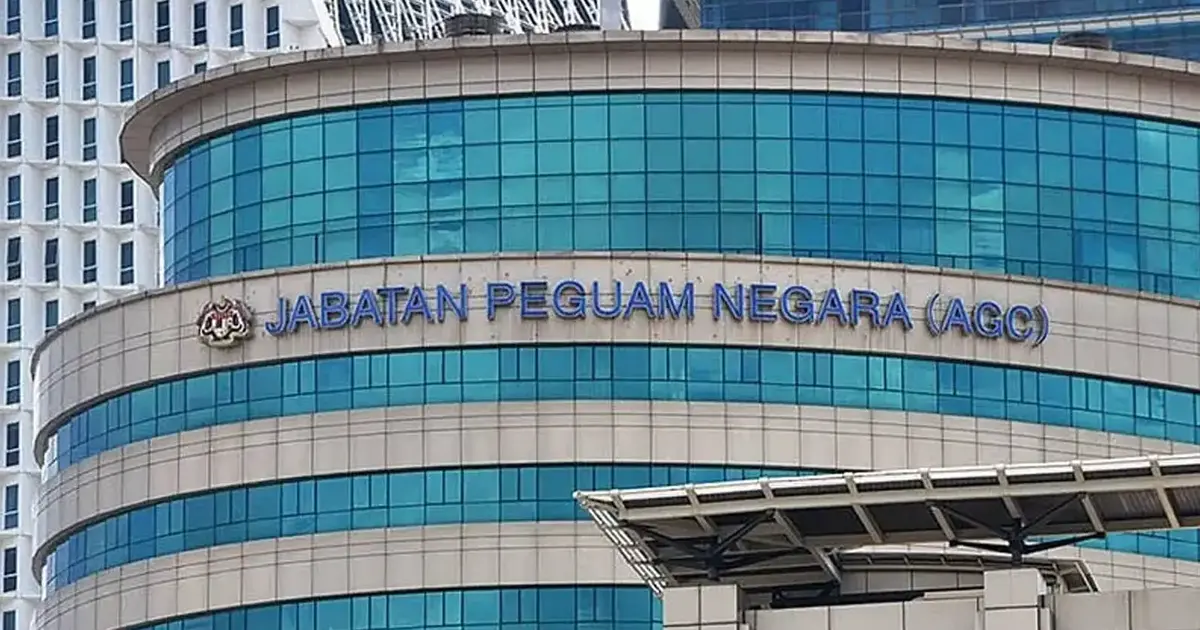
The Attorney-General's Office has not yet completed its evaluation of the Durian Tunggal investigation file, despite having received resubmitted materials more than four weeks ago. This ongoing delay underscores the complexity of the case and the thoroughness required when handling matters of significant public interest, as the legal machinery continues to examine the evidence and documentation provided by investigators.
The Home Minister has issued a statement appealing to all interested parties to exercise patience and allow the legal process to proceed without external pressure or interference. This call for restraint reflects broader concerns about maintaining the integrity of Malaysia's justice system during high-profile investigations that attract considerable public scrutiny and media attention. The message also serves to manage expectations about the timeline for any potential charges or official decisions.
The Durian Tunggal case has generated substantial attention both domestically and internationally, making it a significant matter for the Attorney-General's Office to handle. The involvement of the Home Minister in publicly addressing the status of the investigation indicates the political sensitivity surrounding the matter. Such cases require meticulous examination to ensure that any prosecutorial decisions are built on solid legal foundations and can withstand judicial scrutiny.
The fourth submission represents another round of documentation being forwarded for review, suggesting that the initial investigation may have required supplementary materials or clarifications. This iterative process, while potentially frustrating for those awaiting resolution, demonstrates the Attorney-General's Office's commitment to conducting a rigorous assessment rather than rushing to judgment. Each submission likely contains refined or additional evidence that investigators believe strengthens the case file.
For Malaysian observers of the justice system, this extended review period raises questions about procedural efficiency within the Attorney-General's Office. The office handles numerous high-profile cases simultaneously, and resource constraints may contribute to longer evaluation periods. Understanding these institutional challenges is important for public confidence in Malaysia's legal processes, particularly when cases attract significant media interest and public anticipation.
The legal review process that the Attorney-General's Office undertakes is distinct from the investigation phase conducted by law enforcement agencies. This stage involves prosecutors evaluating whether sufficient evidence exists to proceed with charges, whether the evidence meets constitutional standards, and whether pursuing the case serves the interests of justice. These determinations cannot be rushed if the prosecution is to have a reasonable prospect of success in court.
International experience with complex investigations demonstrates that thoroughness in the prosecutorial review phase often prevents future appellate challenges and demonstrates the strength of any eventual prosecution. The Attorney-General's Office must balance the public's interest in timely resolution against the need for meticulous legal analysis. Premature charging decisions or inadequate case preparation can undermine prosecution efforts and damage public confidence in the legal system.
For the Durian Tunggal investigation, the resubmission of investigation papers suggests possible coordination between investigators and prosecutors to address any gaps or deficiencies identified during earlier reviews. This collaborative approach, while extending the overall timeline, may ultimately produce a stronger case file. The fourth submission indicates that investigators have worked through the Attorney-General's Office's feedback and recompiled their materials accordingly.
The Home Minister's appeal for patience reflects institutional recognition that premature public pressure or political interference could compromise the case's integrity. Malaysian legal norms increasingly emphasize the independence of prosecutorial decision-making, separate from political considerations. The public statement therefore serves to insulate the Attorney-General's Office from external pressure while it conducts its deliberations.
For Southeast Asian legal observers, Malaysia's approach to high-profile investigations demonstrates the region's evolving commitment to rule-of-law principles, though questions persist regarding the speed and efficiency of prosecutorial review processes. Comparative experience suggests that systematic reforms to case management and prosecutorial staffing could accelerate review periods without sacrificing quality.
The investigation's status has implications beyond the immediate case. Public perception of whether the legal system operates fairly and efficiently affects broader confidence in Malaysian institutions. Transparency about the review process, to the extent possible within legal constraints, could help maintain public trust during extended proceedings. The Attorney-General's Office faces the delicate task of protecting investigative confidentiality while demonstrating that meaningful progress is occurring.
Stakeholders across Malaysian politics, civil society, and the international community continue monitoring the case's progression. Any eventual prosecutorial decisions will carry significance for how Malaysia's legal system is perceived both domestically and abroad. The deliberate pace of review, while testing public patience, reflects the institutional seriousness with which the Attorney-General's Office approaches matters of such consequence.

