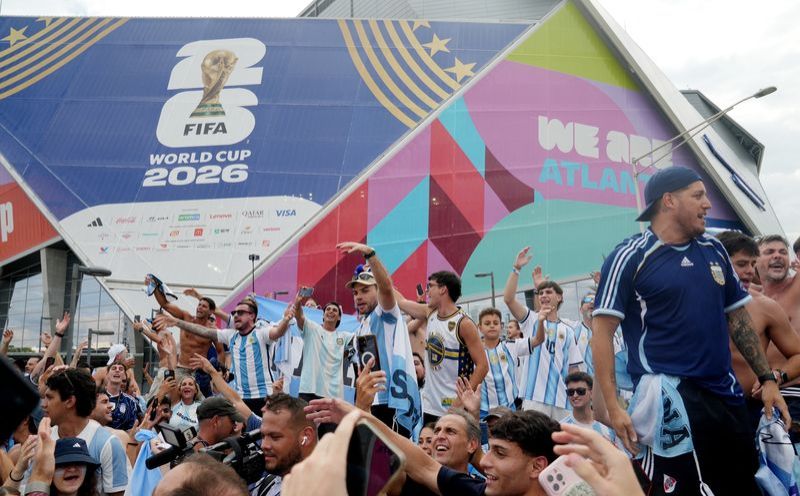
Atlanta has emerged from the FIFA Women's World Cup as a transformed sporting city, having hosted eight matches across the tournament including three knockout rounds and a nail-biting semi-final where Argentina defeated England. The competition delivered far more than memorable matches—it fundamentally shifted the cultural landscape of a metropolis traditionally synonymous with hip-hop music and NFL football, as supporters from Cape Verde making their tournament debut, England celebrating late drama, and Argentina orchestrating remarkable comebacks brought their passion to the Georgia Dome and surrounding streets. The month-long festival of international football has left residents and visitors alike with indelible memories, positioning Atlanta as an unexpected powerhouse in the world soccer calendar.
The path to hosting these prestigious matches began with a single email in July 2017, when Dan Corso, president of the Atlanta host committee, received an invitation to bid for World Cup venues. Rather than deliberate extensively, Corso and his team moved swiftly, recognising the timing as opportune for a city already building soccer credentials. This speed of decision proved prescient, as Atlanta's existing infrastructure and sporting culture created an ideal environment for welcoming the global tournament. The city's willingness to embrace the competition from the outset demonstrated a forward-thinking approach that would ultimately contribute to Atlanta's successful selection as a host city, distinguishing it from other American contenders.
Atlanta's soccer foundation had been quietly strengthening for years before the World Cup invitation arrived. Atlanta United, the Major League Soccer franchise, launched in 2017 and immediately captured local imagination, winning the MLS Cup just a year later. This early success proved transformative for the city's soccer profile. The team's meteoric rise coincided with genuine community enthusiasm—Atlanta United has consistently led MLS in attendance figures, a statistic that Corso emphasises was crucial during FIFA's selection deliberations. These rising attendance numbers provided tangible evidence that Atlanta possessed both the infrastructure and the passionate fanbase necessary to support elite international competition, making the city's candidacy genuinely compelling to international football's governing body.
Arthur Blank, owner of both Atlanta United and the NFL's Falcons, emerged as a key figure in catalysing the city's soccer transformation. His significant $50 million donation to the U.S. Soccer National Training Center, established just outside the city, demonstrated institutional commitment to developing American soccer talent and infrastructure. This investment transcended simple team ownership, instead reflecting a vision of Atlanta becoming a genuine nexus for soccer in North America. The training centre's presence, coupled with Blank's dual-franchise leadership, created a compelling narrative about Atlanta's comprehensive approach to sports development. For FIFA evaluators assessing hosting capabilities, such evidence of long-term investment and strategic planning proved persuasive during the competitive bidding process.
Atlanta's history of successfully managing massive sporting spectacles provided additional credibility for World Cup hosting. The city hosted the 1996 Olympic Games, an event requiring complex logistical coordination across numerous venues and involving global media attention. More recently, Atlanta will host the Super Bowl for the fourth time in 2028, underscoring its status as America's premier venue for marquee sporting events. Yet despite this impressive track record, Atlanta had been overlooked for the 1994 FIFA World Cup—a decision Corso and the city appeared determined to rectify. The opportunity to host a major World Cup tournament represented a kind of vindication, a chance to finally claim a place in the tournament's prestigious history after three decades of waiting since the Olympic Games transformed the city's international profile.
The tournament's impact extended far beyond the stadium, reaching into Atlanta's diverse neighbourhoods and communities. Over half a million people attended the Fan Fest across 19 days, far exceeding typical projections and demonstrating genuine grassroots enthusiasm rather than mere curiosity. More than 2,000 residents from Atlanta and Georgia volunteered for the tournament, suggesting that local populations embraced the event as a civic responsibility and opportunity. This broad participation transformed the World Cup from an external sporting spectacle imposed upon the city into a genuinely shared community experience. The volunteering statistics particularly reveal how extensively the tournament permeated Atlanta society, involving ordinary residents in creating memorable experiences for international visitors.
The 544,516 fans who attended eight matches across the tournament created an electric atmosphere that transformed the city's sporting identity. These attendees witnessed extraordinary football—Cape Verde's maiden tournament appearance brought African pride and hope, England's late victories demonstrated resilience, and Argentina's successive comebacks on their way to the final showcased dramatic tension and tactical prowess. Each match contributed layered narratives to Atlanta's World Cup story, creating diverse memories that resonated differently with supporters depending on their national allegiances. The semi-final in particular, with Argentina's thrilling comeback against England, delivered the kind of unforgettable sporting drama that defines major tournaments and cements venues in football's collective memory.
CorsO articulated an important vision for the tournament's broader significance, emphasising that the World Cup would create lasting connections and memories for both longtime residents and first-time visitors. For many international supporters, Atlanta represented their first extended experience of the city, offering opportunities to discover its character, diversity, and unique cultural landscape beyond soccer. This soft power dimension of sports hosting frequently escapes quantification in economic impact assessments, yet it profoundly influences international perceptions of host cities. By demonstrating Atlanta's vibrancy and cosmopolitanism to hundreds of thousands of visitors, the World Cup functioned as a powerful advertisement for the city's attractiveness as a destination, potentially influencing future tourism, business investment, and cultural exchange.
The tournament's legacy investments in youth soccer development provide perhaps the most tangible long-term benefit for Atlanta and Georgia. The host committee created a new mini-pitch in partnership with the Metropolitan Atlanta Rapid Transit Authority (MARTA) and the Soccer in the Streets programme, which provides free access to soccer for all children regardless of socioeconomic status. This infrastructure investment explicitly targets equity and community access, ensuring that tournament benefits extend beyond affluent spectators to underprivileged youth who otherwise might lack opportunities to participate in organised sports. Such grassroots development programmes frequently produce the most meaningful legacies from major sporting events, creating pathways for talented young athletes while promoting physical activity and community cohesion across diverse populations.
Atlanta's World Cup experience has already crystallised into concrete ambitions for future soccer development. The city is pursuing hosting rights for the 2031 FIFA Women's World Cup, seeking to capture the tournament just four years after their initial success with the 2024 edition. Simultaneously, Atlanta will launch a new women's NWSL franchise in 2028, coinciding with the Super Bowl and positioning the city at the epicentre of professional soccer growth in North America. This combination—hosting major tournaments, establishing professional franchises, and investing in grassroots development—reflects a comprehensive strategy to transform Atlanta's sporting identity from a city known primarily for American football into a global soccer destination. The sequencing appears deliberately strategic, with each initiative reinforcing the others to build momentum.
For Southeast Asian readers observing these developments, Atlanta's transformation offers instructive lessons about leveraging major sporting events to catalyse broader economic and cultural change. The city's success demonstrates that countries and cities without established soccer traditions can rapidly build credibility and infrastructure through focused investment, strategic partnerships, and genuine community engagement. As nations across Southeast Asia contemplate potential bids for major tournaments, Atlanta's trajectory suggests that success requires more than stadium construction—it demands institutional commitment, grassroots development, and a willingness to embrace soccer as integral to urban identity. The city's journey from hip-hop capital to football destination illustrates how sporting events can fundamentally reshape community consciousness and position cities for sustained competitive advantages in global tourism and investment markets.

