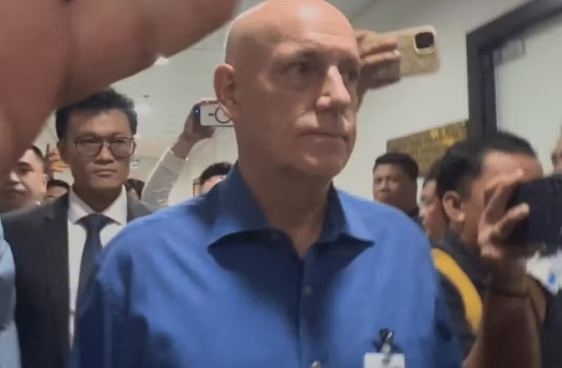
Tab Baldwin, the former head coach of Ateneo de Manila University's men's basketball programme, finally submitted to questioning by the National Bureau of Investigation on Tuesday afternoon in connection with an investigation into the deaths of two student-athletes who drowned during a team activity in Dipaculao, Aurora earlier this month. The high-profile coach arrived at the NBI Homicide Division around 1:45pm accompanied by his lawyer, Karl David, as authorities moved to gather testimony from a central figure in the case surrounding the deaths of Rene Baterbonia and Divine Adili.
Baldwin's appearance marks a significant development in what has become a closely watched case in the Philippine sports world. The former coach had failed to show up for two previously scheduled interviews with investigators, drawing scrutiny to the handling of the probe and raising questions about the circumstances surrounding the incident. His absence from these earlier sessions had been explained by his legal representative as being related to Baldwin's health condition, though specific details were not disclosed publicly at that time.
The coach's engagement with law enforcement has become increasingly complicated by the parallel nature of the investigations underway. Both the National Bureau of Investigation and the Philippine National Police's Criminal Investigation and Detection Group are conducting separate probes into the drowning incident, creating a complex investigative landscape. Baldwin had appeared before the PNP-CIDG on June 19, the same day he was scheduled to meet with the NBI, which contributed to the confusion surrounding his compliance with authorities.
NBI Director Melvin Matibag indicated that a key aspect of the ongoing interrogation would involve cross-referencing Baldwin's statements given to the different agencies. By comparing the testimony he provided to the National Bureau of Investigation with the account he had previously given to the Criminal Investigation and Detection Group, investigators aimed to identify any inconsistencies or variations that might shed light on the circumstances of the incident. This comparative analysis is a standard investigative technique when multiple law enforcement bodies are examining the same event.
The investigation into the deaths of Baterbonia and Adili has drawn considerable attention in the Philippines, given the prominence of Ateneo de Manila University in the national sports scene and the tragic nature of the incident. The two student-athletes drowned during what was characterised as a team activity, raising broader questions about safety protocols and supervision during athletic training programmes. Such incidents touch on fundamental concerns about institutional responsibility and athlete welfare that resonate across Southeast Asia's sports communities.
Baldwin's tenure as Ateneo's basketball coach had positioned him as a figure of some prominence in Philippine collegiate athletics. The circumstances surrounding his questioning underscore how even well-known figures in the sports establishment must cooperate with formal investigations when tragic incidents occur. The public nature of the investigation reflects the significance of the case and the demand for transparency in understanding how and why two young athletes lost their lives.
The involvement of two separate investigative agencies suggests that authorities are taking the matter with utmost seriousness, though such parallel investigations can occasionally create procedural complications. The National Bureau of Investigation's stated intention to conclude its portion of the inquiry during that week indicated a timeline that prosecutors and the public were monitoring closely. The dual investigation approach reflects the gravity of the case and the institutional commitment to determine the precise sequence of events and any potential culpability.
For Malaysian observers, this case offers a cautionary reminder about the importance of robust safety measures in organised sporting activities, particularly those involving young athletes. The incident in Aurora highlights vulnerabilities that can exist in team training programmes across the region, regardless of the institutional standing of the organisations involved. Universities and sports associations throughout Southeast Asia would be wise to examine their own protocols for outdoor activities and water-based training exercises in light of this tragedy.
The investigation's focus on Baldwin's statements and the cross-comparison of his testimony across different agencies reflects the investigative authorities' desire to build a comprehensive understanding of the incident. His eventual cooperation, after the initial missed appointments, demonstrates the legal mechanisms available to authorities to compel testimony from key witnesses. As the National Bureau of Investigation prepared to conclude its investigative phase, the information gathered from Baldwin's appearance would contribute significantly to the final determination of how and why Baterbonia and Adili died.