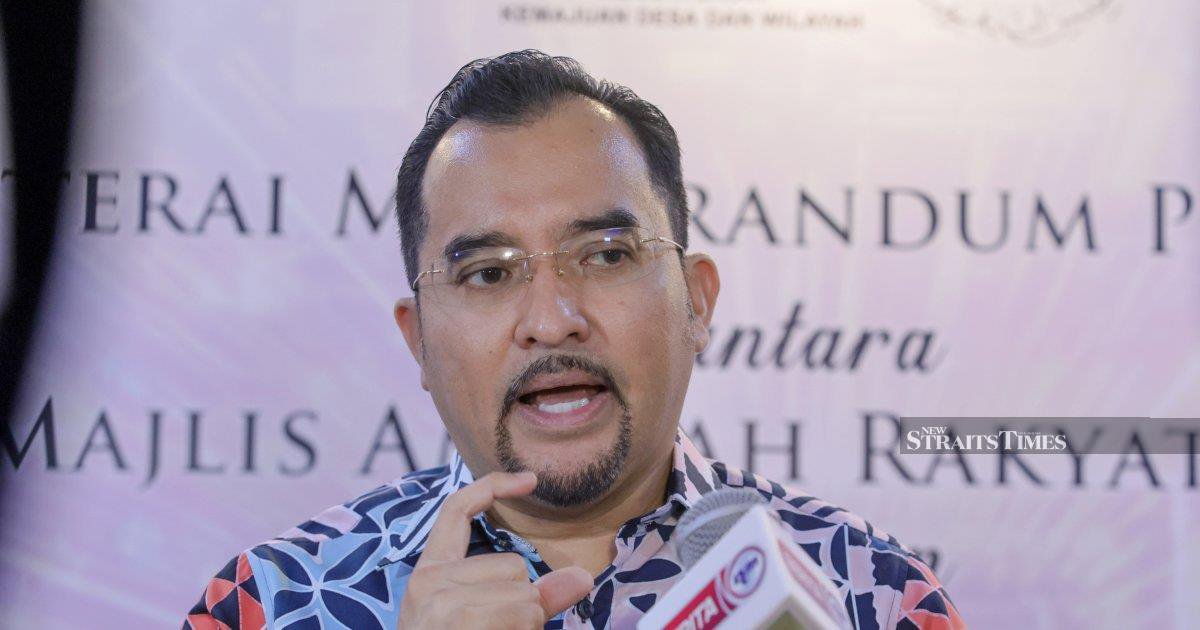
Datuk Dr Asyraf Wajdi Dusuki, the current secretary-general of UMNO, has categorically refuted allegations that he held any hand in Tabung Haji dealings during his previous posting as deputy minister at the Prime Minister's Department. The statement represents a formal clarification of his position regarding what has emerged as a significant issue of public interest, particularly given the pilgrimage fund's importance to Malaysian Muslims and broader questions about governance and financial oversight.
The denial comes amid growing scrutiny surrounding the Al-Rawda transaction, a matter that has attracted considerable attention from lawmakers, civil society observers, and the general public. Such transactions involving statutory bodies managing public or religiously designated funds typically demand transparency, and when high-ranking government officials are implicated, the stakes of accountability become heightened. Asyraf's categorical rejection suggests either a fundamental misunderstanding about his role by critics, or an effort to distance himself from controversial investment decisions made during his tenure.
The question of ministerial authority and oversight becomes crucial in understanding this dispute. Deputy ministers in the Prime Minister's Department occupy specific posts with defined portfolios and responsibilities. These positions, while influential, typically do not extend blanket authority over independent statutory bodies such as Tabung Haji, which maintains its own management structure and board. Asyraf's assertion that he lacked direct authority over the fund's transactions aligns with how Malaysia's civil service hierarchy normally operates, though the exact scope of his influence remains worth examining.
Tabung Haji itself operates as a specialised institution tasked with facilitating pilgrimage savings and managing funds contributed by Malaysian Muslims preparing for the hajj. The organisation has historically wielded considerable discretion in its investment decisions, a reality that has periodically generated debate about the balance between commercial returns and fiduciary responsibility. When the Al-Rawda transaction came under examination, questions naturally arose about which government figures might have influenced such a significant decision.
The broader context of Tabung Haji's recent history adds weight to this discussion. The fund has faced previous controversies involving investment losses, governance concerns, and questions about the adequacy of internal controls. These incidents have eroded public confidence to some degree and heightened scrutiny of major transactions. Against this backdrop, any transaction attracting negative attention invariably prompts stakeholders to investigate potential links to political figures or bureaucratic actors who might exert informal influence.
Ashraf's statement at this juncture serves multiple purposes beyond simple clarification. For UMNO and its positioning within Malaysian politics, distinguishing senior party figures from problematic transactions carries obvious strategic value. The reputational implications of association with controversial investment decisions cannot be overstated, particularly when public funds or religiously significant money are at stake. His formal disavowal attempts to quarantine his political standing from fallout related to Tabung Haji controversies.
The distinction between formal authority and informal influence remains a persistent grey zone in Malaysian governance. While Asyraf may technically lack direct decision-making powers over Tabung Haji operations, the informal networks connecting political leaders, senior civil servants, and statutory body management could theoretically facilitate influence without leaving formal evidence. Critics might contend that denying authority sidesteps deeper questions about how political networks shaped specific institutional decisions, while supporters would counter that such allegations require concrete proof rather than speculation.
For Malaysian observers, this episode illustrates the ongoing tension between political oversight and institutional autonomy. Tabung Haji operates in a space where religious significance, public expectations, and commercial imperatives intersect. Managing these competing demands while maintaining both accountability and independence proves perpetually challenging. When government figures deny involvement in specific transactions, the public naturally wonders whether existing safeguards adequately prevent inappropriate influence.
The Al-Rawda transaction itself merits continued public examination independent of Asyraf's involvement or lack thereof. Understanding what prompted the investment, who authorised it, what returns it generated, and whether alternative options might have served depositors better represents essential information for stakeholders. This institutional and financial scrutiny need not depend entirely on linking the transaction to particular politicians, though such connections obviously heighten political salience.
Moving forward, Asyraf's position demands corroboration through institutional records and decision-making documentation. If his claim about lacking authority stands scrutiny, it should be demonstrable through examining Tabung Haji's governance structures and decision-making records from the relevant period. Equally, if evidence suggests informal influence exceeded formal authority, such findings should surface through proper investigation rather than speculation. The Malaysian public deserves clarity on how major decisions affecting the pilgrimage savings of millions were actually made and by whom.

