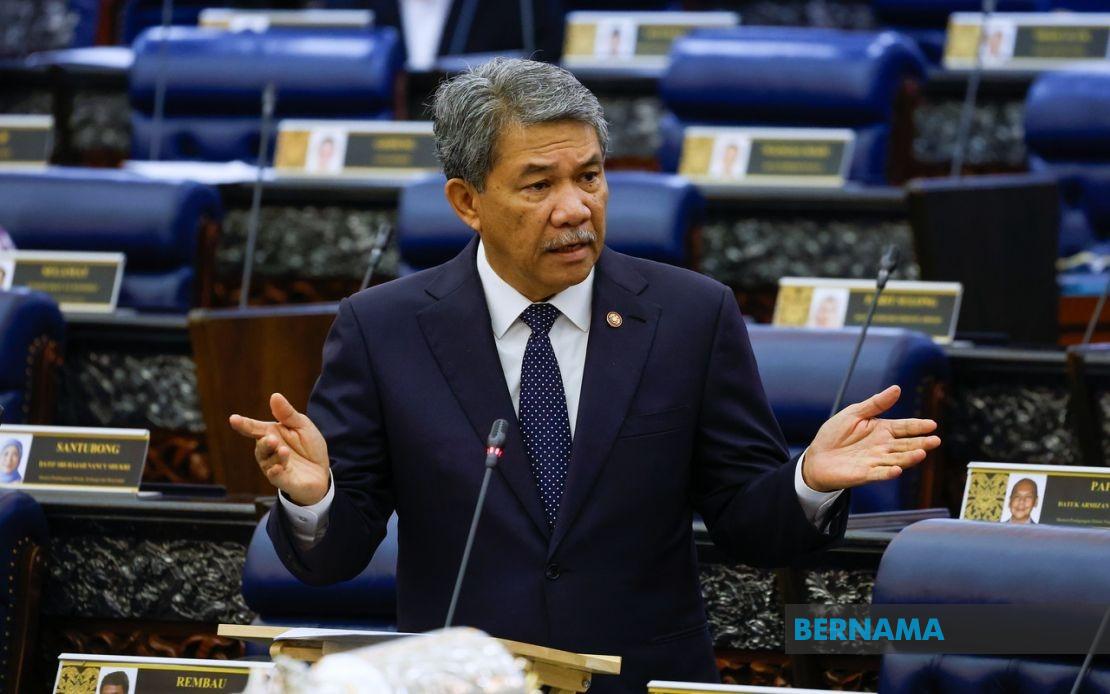
ASEAN is recalibrating its strategy to breathe new life into the Five-Point Consensus framework guiding efforts to resolve Myanmar's protracted crisis, according to Foreign Minister Datuk Seri Mohamad Hasan. While Myanmar has shown some signs of progress, the country remains far from meeting the benchmarks established by regional leaders when they first adopted the 5PC as their primary diplomatic instrument for managing the conflict.
The admission that ASEAN is reconsidering its approach underscores the mounting frustration within the 10-member bloc over Myanmar's inconsistent compliance with the original peace framework. Despite more than three years passing since the coup d'état in February 2021, Myanmar has struggled to translate regional consensus into tangible steps towards lasting resolution. The fresh thinking reflected at the 48th ASEAN Summit held in Cebu last May signals that existing mechanisms require substantive recalibration rather than abandonment.
At the Cebu gathering, ASEAN leaders tasked their foreign ministers with conducting informal consultations directly with Myanmar authorities to evaluate the current situation and chart out viable pathways forward. This shift towards more fluid, high-level dialogue represents an acknowledgment that formal multilateral platforms may have exhausted their immediate utility. The informal engagement model offers greater flexibility for candid discussions about implementation challenges without the rigidity of official statements and public positioning that characterises larger ASEAN forums.
Mohamad emphasised during parliamentary questioning that the 5PC remains the foundational architecture for peace efforts, but regional leaders recognise that the framework itself may require refinement. Any substantive modifications, however, must receive explicit approval from ASEAN heads of state rather than being implemented unilaterally by foreign ministers. This hierarchical safeguard reflects ASEAN's consensus-based decision-making culture, where fundamental shifts in regional policy require buy-in from the highest political levels.
One concrete Malaysian initiative involves extending Myanmar's current six-month ceasefire, which was set to expire at the end of July, into a second extended phase. This progression would ostensibly create momentum towards more comprehensive peace architecture involving all relevant stakeholders. Malaysia has also pressed Myanmar to articulate a detailed roadmap specifying how the peace process would unfold, with particular emphasis on mechanisms ensuring inclusive participation from diverse constituencies including ethnic minorities, political parties, and other armed groups.
The regional concern about Myanmar's potential marginalisation reflects deeper geopolitical anxieties affecting all ASEAN members. If Myanmar becomes isolated from regional mechanisms and fails to achieve internal stability through ASEAN-facilitated dialogue, the vacuum could become an entry point for powers with competing strategic interests. This risk calculus directly impacts ASEAN's role as a meaningful player in regional affairs and Southeast Asia's broader autonomy in managing its own security challenges.
For Malaysian policymakers specifically, engagement with Myanmar represents both a diplomatic priority and a practical security concern. Malaysian borders with Thailand and the sprawling Burmese hinterland create humanitarian and transnational challenges that persist as long as Myanmar's political crisis remains unresolved. Large-scale displacement, trafficking networks, and weapons smuggling all stem partly from state collapse in Myanmar, making regional stability a direct Malaysian interest rather than a distant concern.
Malaysia's proposed strategy involves sustained engagement with all major actors in the Myanmar conflict ecosystem, from the ruling military junta through the exiled National Unity Government to the armed People's Defence Force and various ethnic armed organisations. This deliberately inclusive approach, though diplomatically demanding, reflects recognition that durable settlements require participation from groups controlling actual military capabilities and territorial resources. Excluding any major faction risks perpetuating conflict as excluded parties feel compelled to pursue their objectives through force rather than negotiation.
The prevention of external interference has become central to ASEAN's Myanmar strategy, though rarely articulated explicitly. Major powers including China and India maintain significant interests in Myanmar's stability and development trajectory. ASEAN's insistence on maintaining regional ownership of the peace process stems from determination to prevent Myanmar from becoming a proxy battleground where external powers pursue rival strategic objectives. This protective impulse resonates across the entire membership, including Malaysia, which values ASEAN's capacity to chart independent courses free from great power subordination.
The shift towards exploring new approaches also reflects pragmatic recognition that the original 5PC, while valuable as a statement of principles, may have been drafted in overly optimistic terms regarding Myanmar's willingness to rapidly transition towards democracy and ceasefire agreements. The framework envisioned relatively swift movement through defined stages, but Myanmar's military leadership has proven far more resistant to externally imposed timelines than regional mediators anticipated when first drafting the consensus.
Moving forward, ASEAN's success will depend substantially on whether informal diplomatic channels can produce incremental progress that formal statements have failed to achieve. The strategy of engaging foreign ministers rather than relying primarily on ASEAN's formal mechanisms offers potential for more candid problem-solving, though it also risks creating expectations of rapid breakthroughs that remain difficult to realise given Myanmar's underlying political tensions. Malaysia's central role in these discussions positions it to shape how ASEAN recalibrates its approach during this critical inflection point in regional peace efforts.

