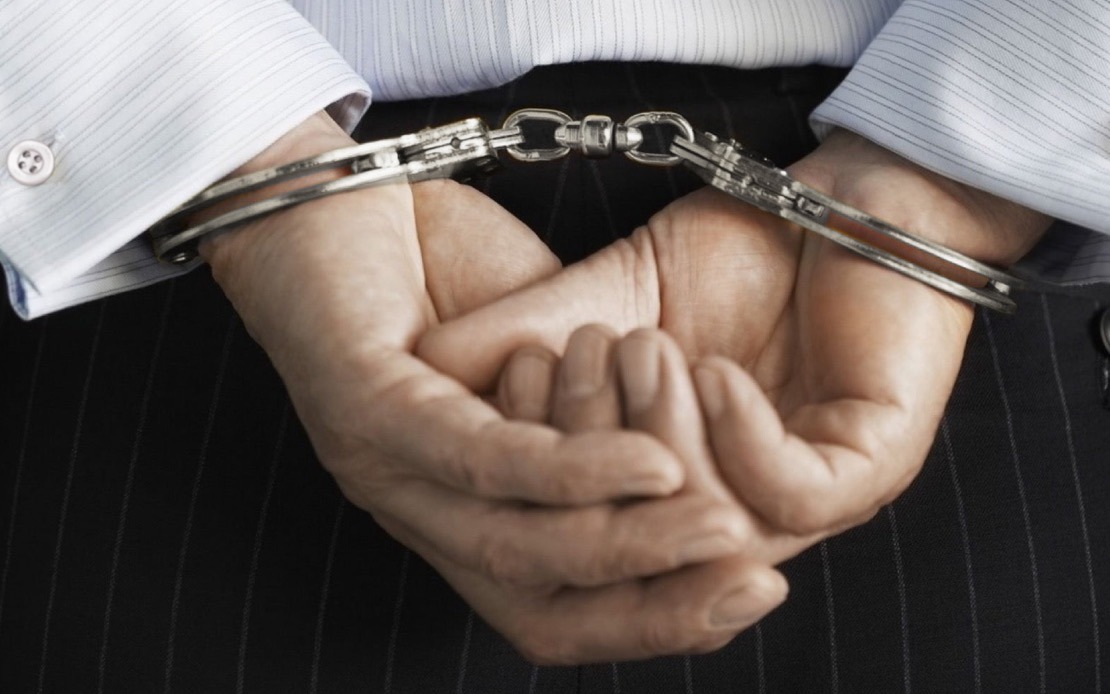
An armed individual was taken into custody at Donald Trump's golf course in Rancho Palos Verdes, California on Sunday, in an operation conducted by plain-clothes officers from the Los Angeles County Sheriff's Department. The arrest occurred just days before Trump's expected arrival at the Trump National Golf Course for a Republican Party fundraising dinner scheduled for Tuesday evening, heightening concerns about security protocols protecting the former and current president.
The suspect's apprehension followed his suspicious behaviour on the golf course grounds, where law enforcement observed him taking photographs and videos while appearing to monitor security arrangements and planning activities. The initial detention led to a series of discoveries that escalated the severity of the case. Officers recovered ammunition and a 16-round magazine from the man's immediate possession, but the investigation deepened when authorities searched his vehicle.
The vehicle search revealed a loaded pistol along with another loaded magazine, suggesting a level of preparedness that alarmed security personnel. The gravity of the situation became increasingly apparent as investigators conducted a comprehensive search of the suspect's residence, where they uncovered a cache of weapons and additional ammunition. Beyond the firearms, authorities discovered body armour, radio signal devices designed for tactical communication, and multiple notebooks filled with statements that law enforcement deemed concerning and potentially indicative of malicious intent.
This incident represents merely the latest in a troubling series of security threats that have surrounded Trump over recent months. The pattern of incidents has drawn significant scrutiny to the adequacy of protective measures and the evolving nature of threats facing high-profile political figures in the United States. Each occurrence has raised public questions about gaps in security infrastructure and the increasing boldness of individuals targeting prominent politicians.
The timeline of these security incidents reveals an alarming frequency. In February of this year, authorities at Trump's Mar-a-Lago estate in Florida engaged in a fatal confrontation with an armed man, resulting in the suspect's death. Earlier, in April, gunshots erupted during a press dinner in Washington, prompting immediate evacuation of Trump and his wife and necessitating cancellation of the event. These urban incidents parallel threats at Trump's properties in Florida and California.
The pattern extends further back to Trump's campaign activities in 2024. During a campaign event in Pennsylvania, Trump was shot at, sustaining a minor injury to his ear in the attack. Later that year, the Secret Service engaged and shot an armed man who had concealed himself in vegetation near Trump's West Palm Beach golf course. That individual was suspected of planning a deliberate attack on the president, according to law enforcement assessments.
The frequency and diversity of these incidents suggest that security professionals face multifaceted challenges in protecting political figures. The threats range from individuals with apparent ideological motivations to those exhibiting signs of obsessive fixation. The California case, with its methodical preparations including notebooks documenting concerning statements, body armour, and signal devices, indicates a level of premeditation that distinguishes it from spontaneous confrontations.
For Malaysian and Southeast Asian observers, these developments underscore broader global concerns about political security in democratic societies where public figures maintain visibility and accessibility. The incidents highlight tensions between open governance and public safety, challenges that transcend national boundaries. Southeast Asian countries, with their own experiences managing security for prominent political leaders, may view these American incidents as informative examples of evolving threat landscapes.
The implications extend beyond individual security measures. The recurring nature of these incidents raises questions about intelligence gathering, threat assessment protocols, and the effectiveness of existing security frameworks. Each arrest or engagement provides law enforcement with additional data about threat typologies and modus operandi, contributing to evolving security doctrines and protective strategies.
The Sunday arrest in California, occurring immediately before Trump's scheduled appearance, demonstrates reactive security responses that depend heavily on vigilant observation and rapid intervention by trained personnel. The plain-clothes officers' identification of the suspect suggests that intelligence and surveillance mechanisms functioned effectively in this instance. However, the regularity with which threats materialize continues to fuel debate about preventive versus reactive approaches to protection.
Meanwhile, the broader political environment in the United States remains charged. With Trump's activities spanning fundraising events, campaign appearances, and residence usage across multiple states, the geographic distribution of security requirements compounds the logistical and strategic challenges facing protective services. The California incident, in this context, represents one node in an extensive network of security operations required to maintain the former president's safety.
The investigation into the arrested individual's background and motivations will likely provide additional insights into the threat landscape. The recovery of notebooks with concerning statements suggests that investigators possess material that may illuminate the suspect's intentions, timeline, and whether connections exist to larger networks or ideological movements. Such intelligence gathering remains crucial for understanding evolving threats and refining protective strategies accordingly.
As this incident continues to develop, security professionals worldwide, including those in Malaysia and the region, will monitor the investigation's findings and any resulting changes to protective protocols. The case exemplifies how political security in prominent democracies requires constant vigilance, technological sophistication, and trained personnel capable of identifying threats before they materialize into violent confrontations.

