Sixteen veterans of the Malaysian Armed Forces are set to take on full-time warden responsibilities across eight MARA Junior Science Colleges beginning July 1, marking a significant expansion of a disciplinary and pastoral care initiative within the nation's prestigious boarding schools. The recruitment drive represents the second operational phase of a programme designed to deploy seasoned military personnel into institutional safeguarding roles, following an initial pilot that commenced at MRSM Besut and MRSM Balik Pulau last October.
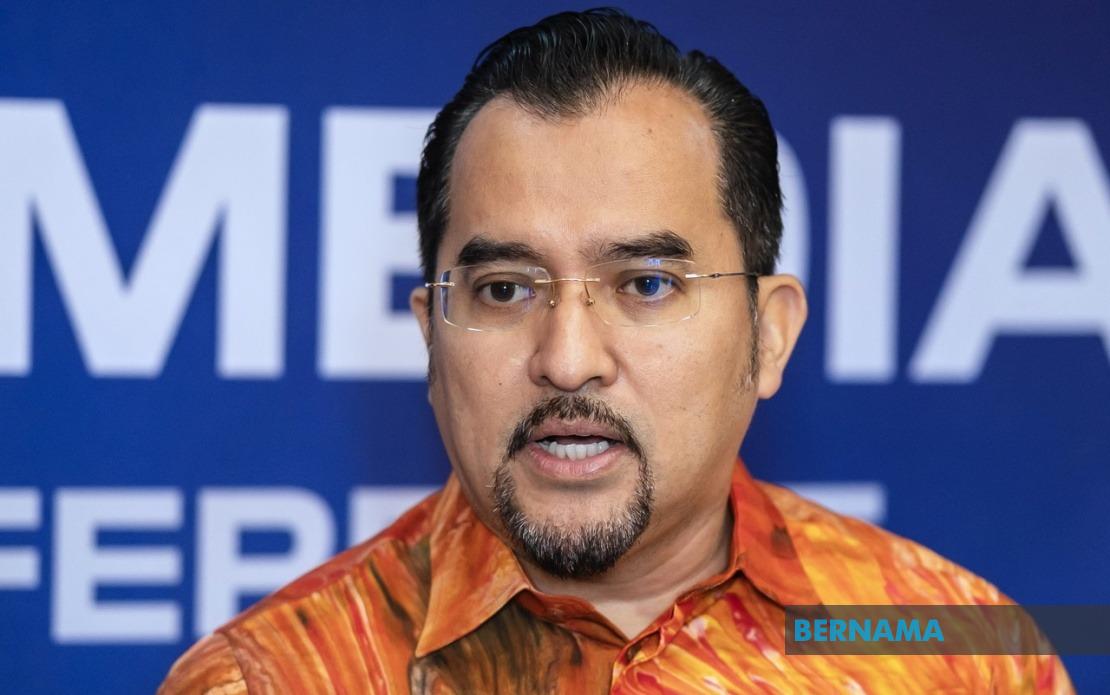
Mara Chairman Datuk Dr Asyraf Wajdi Dusuki framed the appointment strategy as instrumental in fortifying institutional discipline while actively mitigating bullying and misconduct among the student population. By introducing former military professionals into residential settings, the organisation believes it can establish more robust pastoral structures and create deterrents against the interpersonal harassment that has periodically troubled Malaysian boarding schools. This appointment cycle focuses exclusively on male candidates, with the recruitment process representing a carefully calibrated personnel deployment rather than a hasty staffing exercise.
The scale of the second phase extends considerably beyond the pilot, with each of the eight participating MRSMs receiving four wardens—two men and two women—for a total of 32 posts across the selected institutions. The current male contingent of sixteen represents the first wave, with female recruitment advancing through parallel channels. The initiative will ultimately encompass all fifty-eight MRSMs nationwide, with the third deployment phase scheduled to commence on January 1, 2027, demonstrating institutional commitment to systematic rather than ad-hoc implementation.
The vetting architecture undergirding these appointments reflects heightened institutional consciousness regarding safeguarding and child protection. Mara has established a multi-layered screening process administered collaboratively by Glokal Link Sdn Bhd, its corporate subsidiary, alongside the Secondary Education Division, the Veterans Affairs Department (JHEV), TalentCorp, and the Malaysian Armed Forces Psychology and Counselling Section. This consortium approach ensures no single entity bears sole responsibility for personnel suitability judgments, distributing accountability across organisations with distinct expertise.
Candidates must satisfy stringent preliminary criteria before advancing to formal assessment stages. The selection pathway remains exclusively available to recognised Malaysian Armed Forces veterans—individuals who completed military service with honour and were not discharged for disciplinary violations, misconduct, or legal infractions. This eligibility gate effectively filters the applicant pool at the outset, establishing character and conduct as foundational prerequisites rather than secondary considerations. Between June 15 and 16, physical interviews involving 147 candidates, predominantly male applicants, took place at the MARA Higher Skills Institute in Kepong, following preliminary screening by the Veterans Affairs Department and TalentCorp.
Beyond conventional interview methodology, the selection framework incorporates sophisticated psychological and fitness assessment mechanisms designed to identify individuals temperamentally suited to residential supervisory responsibilities. Candidates undergo psychometric evaluation through the MyNext OCEAN and RIASEC assessments, alongside military psychological evaluations and mental health screening protocols. Physical fitness determinations include BMI assessments and the bleep test, while panel interviews involving representatives from multiple agencies ensure diverse professional perspectives inform appointment decisions. This comprehensive approach recognises that administrative capability and physical qualification represent insufficient criteria for roles requiring emotional intelligence, appropriate boundary-setting, and child safeguarding acumen.
Final appointment decisions remain conditional upon completion of comprehensive background verification procedures. Glokal Link has instituted a policy prohibiting the issuance of formal offer or appointment letters until all critical screening elements conclude. These verification stages encompass veteran status confirmation, criminal record checks conducted by the Royal Malaysia Police, and cross-referencing against the child sexual offenders registry—mechanisms specifically designed to prevent placement of individuals presenting genuine child protection risks. The procedural requirement for clean records and integrity demonstrates institutional prioritisation of safeguarding over expedited recruitment.
The psychological evaluation phase represents perhaps the most specialised component of the appointment process. Malaysian Armed Forces psychologists and counsellors conduct final assessments incorporating psychological and biofeedback evaluations targeting specific risk factors and competency dimensions. These evaluations explicitly examine candidate suitability regarding child protection awareness, vulnerability to sexual misconduct, impulse control mechanisms, professional boundary maintenance between wardens and students, and general psychological appropriateness for residential hostel environments. This psychological deep-dive acknowledges that military service excellence does not automatically translate into competence within child-centred institutional settings, requiring distinct professional capabilities.
For Malaysian readers familiar with concerns surrounding boarding school governance and student welfare, this initiative carries particular resonance. The Malaysian education landscape has periodically confronted troubling incidents within residential institutions, prompting calls for enhanced supervision and more rigorous staffing standards. The Mara programme responds to these concerns by importing military-trained personnel into schools, theoretically bringing disciplinary expertise and institutional experience to settings where pastoral care meets security concerns. The emphasis on psychological evaluation and safeguarding protocols similarly reflects evolving international best practices in child protection, suggesting Malaysian institutional governance is progressively aligning with contemporary standards.
The female recruitment parallel underscores commitment to gender-balanced supervision within mixed residential environments. With 162 female applications received and online assessments conducted on June 25, physical interviews scheduled for July 2, the female appointment phase will follow the male cycle shortly after screening completion. This staggered approach prevents logistical disruption while ensuring equivalent vetting rigour applies to both male and female appointees. The ultimate goal of two male and two female wardens per institution reflects institutional recognition that diverse supervisory perspectives enhance pastoral effectiveness and create more comprehensive safeguarding coverage.
Stakeholder confidence appears central to Mara's implementation philosophy. Datuk Dr Asyraf Wajdi explicitly referenced parental and public expectations regarding warden appointment quality, framing the rigorous screening process as essential to meeting these legitimate expectations. In an era of heightened transparency demands and institutional accountability, Malaysian parents increasingly scrutinise boarding school governance structures and staff credentials. The detailed disclosure of vetting procedures represents an attempt to address such scrutiny proactively, demonstrating that appointment decisions reflect careful professional judgment rather than expedience or political influence.
The programme's expansion timeline indicates institutional confidence in the pilot phase outcomes. The scaling from two pilot institutions to eight in the current phase, with full nationwide deployment anticipated by 2027, suggests positive early results and stakeholder support. However, implementation quality will ultimately depend on how effectively these veterans transition from military to civilian institutional settings, whether appointed wardens develop sufficient child-centred competencies, and whether the vetting mechanisms genuinely prevent unsuitable appointments. The coming months will prove instructive regarding whether importing military discipline into boarding schools enhances pastoral care or whether the cultural fit requires further refinement as the programme expands.

