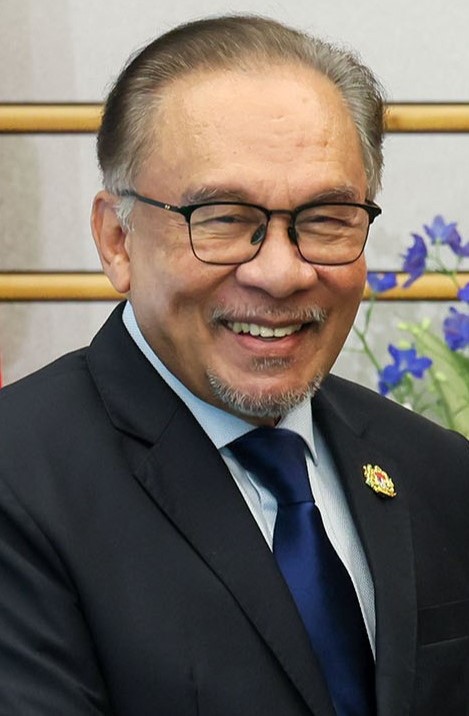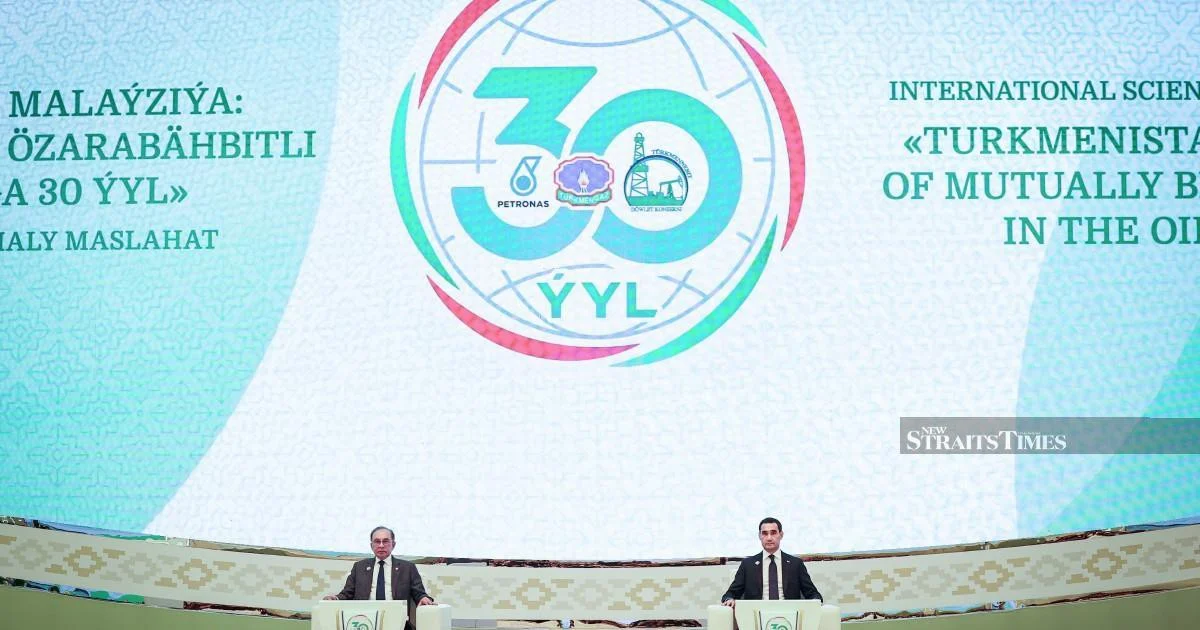
Prime Minister Datuk Seri Anwar Ibrahim returned from his diplomatic tour of Russia and Turkmenistan last week with tangible agreements that strengthen Malaysia's position in the global energy landscape. The mission underscores a calculated pivot toward diversifying the nation's energy partnerships beyond traditional Western-aligned corridors, a strategic necessity for a developing economy increasingly vulnerable to geopolitical volatility and supply chain disruptions.
The timing of Anwar's mission carries particular significance for Malaysia's economic interests. As global energy markets remain unsettled by ongoing geopolitical tensions and the accelerating global energy transition, securing long-term agreements with major hydrocarbon producers reduces reliance on spot markets and volatile pricing mechanisms. For a nation whose economy depends partly on energy imports and whose energy sector remains critical to downstream industries, such partnerships represent insurance against future price shocks that could destabilise the broader economy.
Russia's position as a global energy powerhouse makes it an essential player in any credible diversification strategy. Beyond conventional oil and gas supplies, Russian technological expertise in extraction, liquefaction, and petrochemical refining offers Malaysian companies opportunities for knowledge transfer and joint venture expansion. These collaborations could enhance the competitiveness of Malaysian energy firms in regional and international markets, particularly in Southeast Asian markets where demand for affordable energy continues to surge.
Turkmenistan's significance extends beyond its substantial natural gas reserves, which rank among the world's largest. The Central Asian nation represents a geographic bridge between energy producers and consumers across multiple continents. Malaysian engagement with Turkmenistan positions the country as a neutral, credible partner in Asia-Pacific energy architecture, distinct from the zero-sum geopolitical frameworks that increasingly characterize energy competition between major powers. This neutrality enhances Malaysia's diplomatic leverage and soft power in multilateral energy forums.
The successful completion of these engagements reflects Anwar's diplomatic acumen and his administration's strategic clarity regarding Malaysia's role in an evolving global order. Rather than passive participation in energy markets shaped by larger powers, the government has demonstrated proactive agency in negotiating terms that favour domestic interests. This represents a departure from purely transactional energy diplomacy toward relationship-building that encompasses technology sharing, workforce development, and the cultivation of long-term commercial partnerships.
For Malaysia's downstream petroleum sector, Russian and Turkmen partnerships offer substantial opportunities. The nation's petrochemical refineries and storage facilities could serve as regional hubs for Central Asian hydrocarbons destined for Asian markets. Such infrastructure development attracts foreign investment, generates employment, and positions Malaysia as an essential node in Asian energy networks. The economic multiplier effects of such positioning extend across port operations, shipping services, financial intermediation, and technology transfer industries.
The geopolitical implications merit careful consideration. Malaysia's balanced foreign policy has historically depended on maintaining equidistant relationships with competing global powers. Energy partnerships with Russia and Turkmenistan, pursued without sacrificing relationships with Western nations or China, demonstrate the feasibility of genuine non-alignment in an era of acute great-power competition. This positioning strengthens Malaysia's negotiating capacity with all major powers and insulates the nation from pressure to choose exclusive allegiances.
Regionally, Malaysia's success in establishing energy partnerships with Central Asian producers creates a template that other Southeast Asian nations may follow. As ASEAN collectively faces mounting energy demands and supply uncertainties, Malaysian diplomatic achievements illustrate pathways toward diversification that respect regional geopolitical sensitivities. The ASEAN energy security agenda could benefit from wider application of the principles underpinning Anwar's diplomatic mission.
The transition toward renewable and alternative energy sources globally requires that hydrocarbon producers adapt business models and investment strategies. Partnerships with emerging markets and developing nations offer Russian and Turkmen entities crucial opportunities to maintain market share as Western investment progressively shifts toward clean energy. For Malaysia, participating in this evolution alongside established energy producers enhances the nation's technical expertise and positions domestic industries for potential roles in the eventual energy transition that all producers must eventually undertake.
Moving forward, translating diplomatic breakthroughs into concrete commercial arrangements demands meticulous attention to regulatory frameworks, financing mechanisms, and technical standards. Malaysian authorities must ensure that energy agreements incorporate provisions addressing climate commitments, environmental safeguards, and workforce safety standards consistent with international best practices. Such measures prevent short-term economic gains from incurring long-term environmental or social liabilities that could undermine development objectives.
The broader implication of Anwar's successful mission is that Malaysia possesses the diplomatic capital and strategic positioning to shape its economic trajectory through proactive engagement with global energy markets. Rather than accepting predetermined roles in global supply chains, the nation has demonstrated capacity to negotiate arrangements aligned with domestic priorities. This achievement merits recognition as both a diplomatic success and a manifestation of strategic governance that prioritises Malaysian interests within an interdependent global economy.