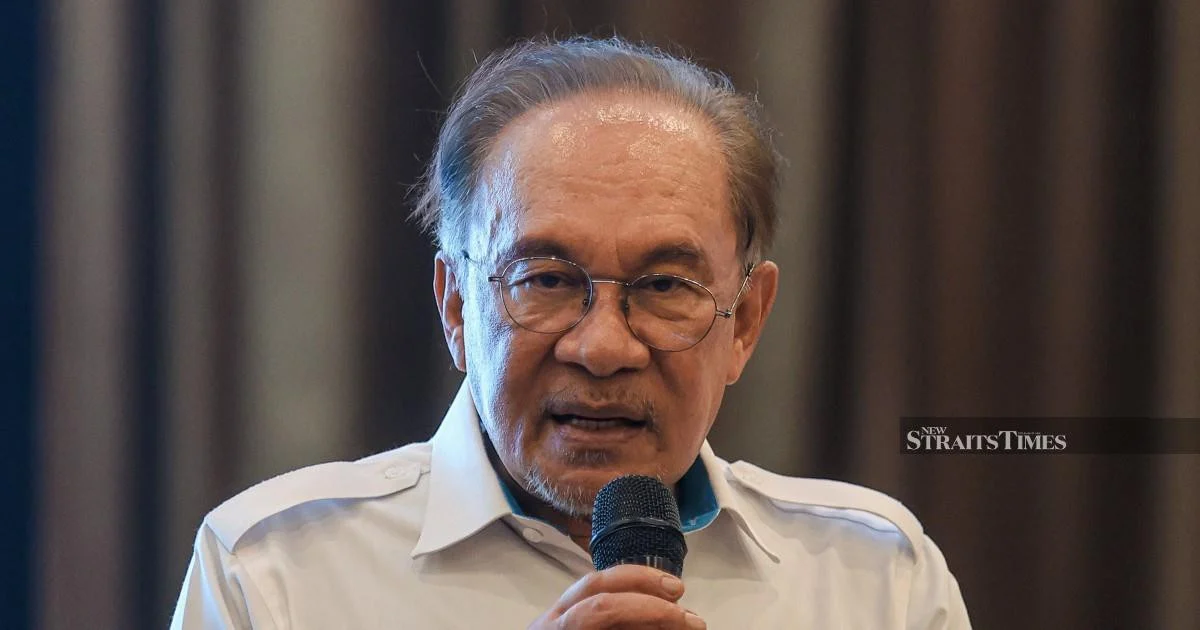
Prime Minister Datuk Seri Anwar Ibrahim has turned his attention to a troubling trend within Malaysian politics: the systematic exploitation of racial divisions by ambitious leaders seeking to advance their personal interests and those of their inner circles. Addressing concerns about the misuse of racially charged discourse, Anwar has specifically criticised politicians who cynically weaponise sentiments around racial supremacy not out of genuine ideological conviction but purely as an expedient route to political power and personal enrichment.
The Prime Minister's rebuke strikes at a practice that has become increasingly visible in Malaysia's political landscape, where appeals to ethnic and racial loyalties often feature prominently during electoral campaigns and internal party contests. Such narratives, Anwar implies, are wielded instrumentally by leaders who understand their potency in mobilising voter bases and consolidating factional support within larger political structures. The concern is that these appeals prioritise individual advancement and factional interests over the genuine development needs and social cohesion that should underpin national governance.
Anwar's criticism reflects a broader recognition of how racial supremacy rhetoric can degrade the quality of political discourse and foster social fragmentation. When political leaders invoke such language strategically rather than from principle, they contribute to a environment where extremist narratives gain legitimacy and moderate voices advocating for inclusive governance find themselves marginalised. This dynamic has significant implications for Malaysia's delicate ethnic balance and the pluralistic foundations upon which the nation's political system is theoretically constructed.
The invocation of personal gain and benefit to families and cronies underscores a particular dimension of this political manipulation. By framing racial supremacy arguments not as matters of national interest but as transparent vehicles for elite enrichment, Anwar is highlighting the hypocrisy that often accompanies such rhetoric. Leaders who claim to champion their communities while simultaneously directing resources toward their own networks betray the trust placed in them and reveal the instrumental nature of their supposedly principled stands.
This intervention carries weight given Anwar's own position as the nation's chief executive and his efforts to chart a course for Malaysia that balances competing interests while maintaining social stability. His willingness to directly confront this issue suggests a determination to shift political culture toward more substantive debates centred on economic development, service delivery, and institutional reform rather than zero-sum contests framed in ethnic terms.
The remarks also resonate within the context of Malaysian democracy's recent trajectory. The nation has witnessed multiple cycles of political realignment, coalition-building, and leadership changes, many of which have involved appeals to communal loyalties and assertions of group interests. Anwar's censure suggests an attempt to elevate standards of political conduct and encourage leaders to justify their positions through policy platforms and performance records rather than divisive ethnic narratives.
For ordinary Malaysians, particularly those in diverse communities where multiple ethnic and religious groups coexist, the exploitation of racial supremacy rhetoric creates tangible friction and anxiety. Such language can poison everyday interactions, create suspicion across ethnic lines, and undermine the informal social contracts that enable neighbours and colleagues from different backgrounds to cooperate effectively. Anwar's intervention implicitly acknowledges this grassroots impact and the social costs of cynical political manoeuvring.
The timing of these comments may also reflect responses to recent political developments or statements from particular factions within the government or opposition. Without endorsing any specific party or faction, Anwar appears to be drawing a line against what he views as unacceptable political behaviour, attempting to establish clearer norms about acceptable discourse in Malaysian public life.
However, translating rhetorical criticism into concrete change remains a persistent challenge. Political incentives favouring mobilisation along ethnic lines remain embedded within Malaysia's electoral system and constitutional structures, particularly given provisions related to special position of Malays and indigenous peoples. Any meaningful shift would require not just denunciation from political leaders but structural reforms and institutional adjustments that reduce the electoral premium placed on communal appeals.
Looking forward, Anwar's intervention may signal an attempt to reposition his administration around themes of inclusive growth and merit-based advancement, potentially challenging opposition forces that might more readily embrace ethno-nationalist rhetoric. Whether such messaging translates into altered voting patterns or genuine shifts in political behaviour across the country remains uncertain, particularly given the deep roots of communal politics in Malaysian society and voters' often competing priorities regarding economic security and cultural preservation.
Regionally, Malaysia's approach to managing ethnic pluralism while resisting the allure of divisive nationalism carries implications beyond its borders. Other Southeast Asian nations grappling with religious and ethnic diversity look to Malaysia's experiences, both successes and failures, in attempting to balance majority group interests with minority rights and inclusive development. Anwar's critique of racial supremacy exploitation suggests continued commitment to this complicated balancing act, even as the political challenges of maintaining it grow more acute.

