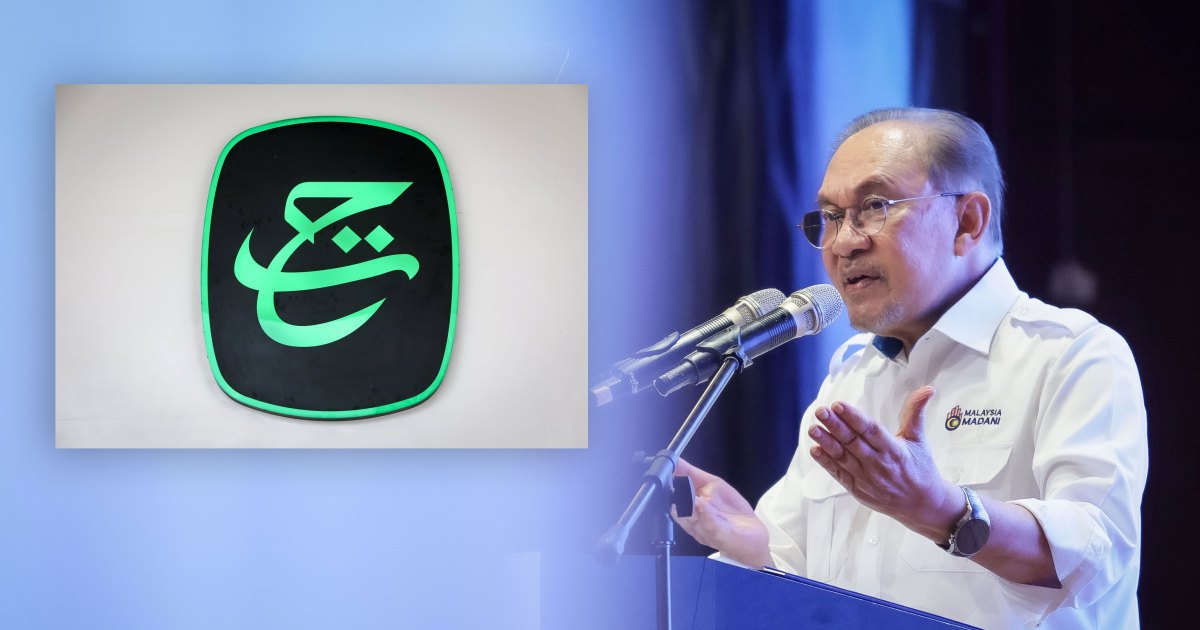
Prime Minister Anwar Ibrahim has made clear that officials implicated in the financial losses and abuse of authority at Lembaga Tabung Haji (TH) will be held accountable through rigorous investigations and prosecution where the evidence supports such action. Speaking in Jelebu, Anwar underscored the government's commitment to pursuing those involved in the troubled fund's difficulties, signalling that no individual, regardless of their position or connections, will be sheltered from legal consequences.
The Lembaga Tabung Haji, Malaysia's largest Islamic financial institution managing the pilgrimage savings of millions of Malaysians, has faced mounting scrutiny over significant financial setbacks and governance failures in recent years. The fund, which accepts contributions from Muslim Malaysians seeking to undertake the hajj pilgrimage to Mecca, serves a crucial social and religious function for the nation's Muslim community. However, revelations of substantial losses and instances of improper asset management have damaged public confidence and raised serious questions about the stewardship of funds entrusted to the institution.
Anwar's statement reflects growing public pressure for accountability following various reports documenting irregular practices and poor investment decisions that contributed to TH's financial difficulties. The fund has experienced considerable losses, particularly through property ventures and other investments that deteriorated significantly in value. These developments have prompted calls from legislators, religious scholars, and ordinary Malaysians for a comprehensive reckoning with those who made decisions that harmed the savings and future pilgrimage prospects of contributors.
The Prime Minister's position aligns with his administration's broader anti-corruption agenda, which has emphasized that accountability must apply uniformly across all institutions and levels of government. This rhetoric has resonated with voters fatigued by past scandals and skeptical of whether the powerful will genuinely face consequences for misconduct. By publicly declaring that no one will escape reckoning for TH losses, Anwar is attempting to demonstrate that his government differs from predecessors in its willingness to pursue even sensitive cases involving large institutions and potentially influential figures.
The investigation and prosecution pathway outlined by Anwar depends on the strength of evidence compiled through ongoing inquiries into TH's operations. Multiple agencies, including anti-corruption bodies and financial regulators, have been examining the institution's affairs to identify specific instances of wrongdoing and determine culpability among board members, executives, and other decision-makers. The evidentiary threshold that Anwar mentions is significant, as it suggests prosecutions will be based on substantive findings rather than political motivations, though sceptics may question whether such distinctions hold in practice.
For Malaysian pilgrims and their families, TH's difficulties represent more than an abstract governance problem. Many contributors are ordinary workers who have diligently saved portions of their earnings toward fulfilling one of Islam's five pillars. The erosion of these savings through mismanagement creates genuine hardship, potentially forcing individuals to delay or abandon their pilgrimage plans indefinitely. This personal dimension makes the accountability process not merely a matter of institutional reform but one touching millions of households directly.
The case also carries implications for Malaysia's broader financial sector and regulatory environment. TH's troubles highlight potential weaknesses in oversight mechanisms, suggesting that even large institutions serving hundreds of thousands of contributors can drift into problematic practices without swift intervention. Addressing the governance gaps that allowed such losses to accumulate will require not just individual prosecutions but systemic reforms in how similar institutions are monitored and controlled. Questions remain about whether current regulatory frameworks are adequate or if new measures are necessary to prevent comparable situations elsewhere.
International observers have also noted TH's situation as relevant to Malaysia's battle against corruption and for financial integrity. The country's reputation as a serious destination for Islamic finance and banking depends partly on robust governance at flagship institutions like Tabung Haji. Foreign investors and international partners assessing Malaysia's investment climate consider whether financial institutions operate transparently and whether misconduct is genuinely addressed. Anwar's public commitment to accountability therefore carries strategic significance beyond domestic politics.
The challenge ahead involves translating such statements into concrete results. Previous Malaysian governments have announced similar intentions regarding accountability, only to see investigations stall or prosecutions founder when prominent individuals faced charges. Civil society groups and political opponents will scrutinize whether the current administration follows through with its pledges regarding TH or whether the cases ultimately prove too complex, politically sensitive, or resource-intensive to prosecute vigorously. The credibility of Anwar's government may well depend on demonstrating genuine follow-through.
As investigations proceed, transparency about findings and the prosecution process will be essential for rebuilding public trust in both TH itself and the broader institutional framework governing such funds. Contributors need assurance that lessons have been learned, that those responsible have faced consequences, and that safeguards now prevent recurrence. Anwar's declaration represents a starting point rather than a conclusion, with the actual work of investigation, prosecution, and institutional reform still lying ahead.

