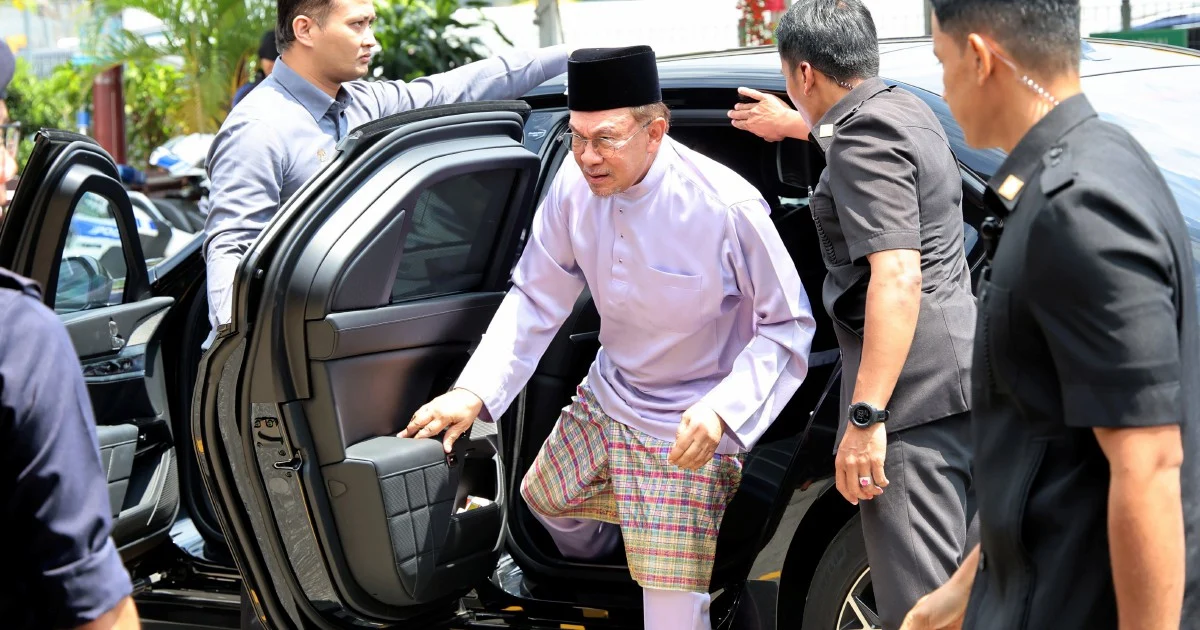
Prime Minister Datuk Seri Anwar Ibrahim has issued a clear directive to all political parties preparing for the Johor election, urging them to conduct their campaigns with dignity and mutual respect rather than succumbing to aggressive or dismissive tactics. Speaking in Dengkil, he stressed that the electoral process demands a higher standard of behaviour from those seeking public office, one that prioritises the nation's values over personal political ambitions.
The call for restraint and ethical campaigning comes at a critical juncture for Malaysian politics, particularly as state-level elections have become increasingly contentious and polarised. Anwar's message appears designed to set a tone for how competing interests should engage with voters and rival candidates, signalling that government and party leadership will not tolerate conduct that undermines the democratic process or damages public confidence in political institutions.
Respectful political discourse has become an pressing concern across Southeast Asia, where election seasons frequently witness inflammatory rhetoric, personal attacks, and divisive messaging that can fray social cohesion. Malaysia's diverse demographic composition makes this issue especially sensitive, requiring political actors to recognise that their words carry consequences beyond electoral mechanics. When campaigns turn acrimonious or disrespectful, they risk inflaming existing tensions between different communities and religious groups.
Anwar's position as Prime Minister grants his words particular weight within the political establishment. By articulating standards for campaign behaviour early in the electoral cycle, he is establishing benchmarks against which party performance can be measured. This approach acknowledges that voluntary compliance with ethical guidelines often proves more effective than formal regulations, since parties understand that public perception of their conduct will influence voter sentiment.
The Johor election represents a significant test case for Malaysian politics following recent transitions in state and federal leadership. The state has historically served as a barometer for broader political trends affecting the nation, making its electoral outcomes particularly consequential. Elections in Johor often generate national attention and serve as indicators of shifting voter preferences, potentially influencing subsequent federal-level contests and coalition dynamics.
Rivalries between competing coalitions and individual parties have intensified across recent election cycles, with candidates occasionally resorting to personal attacks, unsubstantiated allegations, and inflammatory statements to gain traction with supporters. Such tactics, while sometimes generating short-term media attention or energising partisan bases, ultimately corrode trust in democratic institutions and discourage voter participation among those seeking substantive policy discussions rather than personality-driven conflict.
Anwar's emphasis on upholding good values acknowledges the broader societal dimensions of electoral politics. Elections serve not merely as mechanisms for selecting representatives, but as national moments that reinforce or undermine shared understandings of how Malaysians should interact with one another during periods of intense disagreement. Campaign conduct establishes precedents and normalises certain types of behaviour that can persist long after voting concludes.
The warning against arrogance carries particular resonance given Malaysia's recent political history, which has witnessed shifts in power, coalition restructuring, and considerable volatility in voter preferences. Parties that assume inevitability of victory based on historical dominance or structural advantages frequently encounter unexpected electoral resistance, while those demonstrating humility and genuine engagement with constituents often perform better than anticipated. Arrogant campaigns that treat voters as already secured often energise opposition mobilisation and generate sympathy for challenger candidates.
For Malaysian voters, especially those in Johor, Anwar's call for respectful campaigning provides both a framework for evaluating candidate behaviour and an implicit promise that state and federal leadership view electoral integrity seriously. Voters increasingly signal through their choices that they value substantive engagement with policy issues and respectful conduct, punishing parties that rely primarily on divisive messaging or personal attacks.
The broader implication of Anwar's statement extends beyond any single state election. It reflects an understanding that Malaysia's continued stability and democratic vitality depend partly on political actors recognising that legitimate competition must occur within boundaries that preserve social peace and institutional legitimacy. As the nation navigates challenges ranging from economic pressures to demographic change, political leaders recognise that excessive polarisation wastes energy and resources that might otherwise address substantive problems affecting ordinary Malaysians.
This reminder also underscores the Prime Minister's conception of his leadership role as extending beyond partisan interests to encompassing national welfare. By publicly calling for ethical standards, he positions himself as guardian of broader values while simultaneously placing responsibility on party leaders to enforce such standards within their own organisations. This creates pressure on party structures and discipline mechanisms to ensure that candidates and supporters comply with established norms.
As campaign activities intensify in Johor, how effectively all contesting parties heed this guidance will reveal whether Malaysian politics has genuinely internalised lessons about the costs of uncivil discourse, or whether electoral pressures continue to override appeals to restraint. The coming weeks will test whether political actors can distinguish between vigorous competition and behaviour that transgresses acceptable boundaries, ultimately reflecting the maturity and character of Malaysia's democratic practice.

