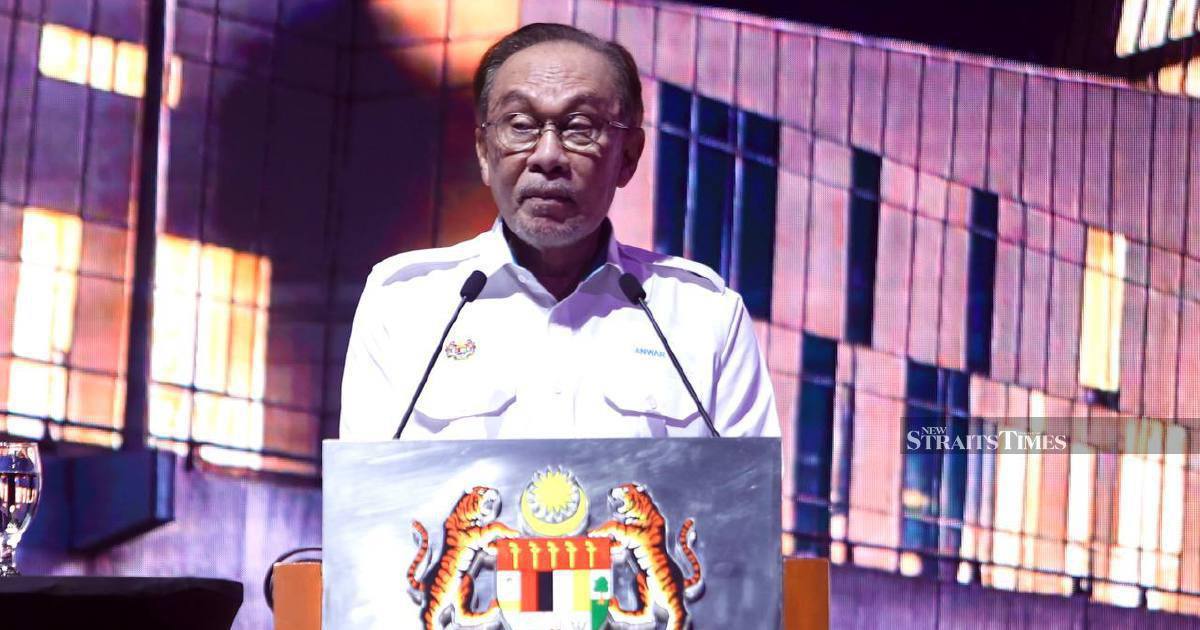
Prime Minister Datuk Seri Anwar Ibrahim has advocated for a more permissive environment in Malaysia's creative industries, particularly filmmaking, striking a careful balance between artistic expression and national cultural standards. Speaking in Petaling Jaya, Anwar emphasised that while the arts sector deserves expanded space to flourish, creative endeavours must remain tethered to the principles and moral framework that define Malaysia's identity.
The Prime Minister's remarks signal a nuanced approach to cultural policy at a time when Malaysia's film industry faces mounting pressure from both global competition and domestic concerns about creative restrictions. His position acknowledges the tension between fostering world-class artistic talent and maintaining cultural coherence—a dilemma facing many developing nations seeking to build internationally competitive creative sectors without abandoning traditional values.
For Malaysian filmmakers, Anwar's comments represent a potential shift in how the government views creative constraint. The industry has historically operated within relatively stringent content guidelines, with the Malaysian Film Certification Board wielding considerable influence over what may be filmed, screened and distributed domestically. These gatekeeping mechanisms have occasionally resulted in films facing cuts or outright bans, limiting local directors' artistic ambitions and sometimes prompting them to seek opportunities abroad.
The economic implications of greater creative freedom are substantial. A more permissive regulatory environment could attract foreign investment to Malaysia's production sector, transforming the country into a regional hub for high-quality content creation. This potential has not escaped neighbouring Thailand and Indonesia, which have made deliberate policy shifts to encourage filmmaking investment. By relaxing constraints, Malaysia could capture a larger share of the region's estimated multi-billion dollar film and audiovisual production market.
Anwar's framing of the issue—emphasising that freedom must coexist with fidelity to Malaysian values—reveals the political sensitivity surrounding this topic domestically. Religious and conservative constituencies have traditionally exercised influence over content standards, viewing certain artistic expressions as incompatible with Islamic principles and Malay-Muslim cultural norms. The Prime Minister's careful language suggests he is attempting to build consensus among these stakeholders while simultaneously signalling to the creative community that greater flexibility lies ahead.
Malaysia's current regulatory framework restricts depictions of sex, violence, profanity and religious content deemed disrespectful. These restrictions have sometimes placed local filmmakers at a disadvantage compared to their regional peers, particularly when competing for international audiences or festival recognition. Several acclaimed Malaysian directors have chosen to shoot portions of their films abroad or self-censor their work to navigate domestic approval processes, a dynamic that potentially diminishes the authenticity and artistic integrity of their output.
The government's evolving position on creative freedoms also reflects broader shifts in Southeast Asian governance. Indonesia's film industry, once similarly constrained, has gradually liberalised its approach, yielding both artistic breakthroughs and commercial successes that have garnered international acclaim. Vietnam and the Philippines have similarly recognised the economic potential of unfettered creativity. Anwar's comments suggest Malaysia may be recalibrating to remain competitive within this regional context.
Implementing Anwar's vision will require substantive institutional changes. The Film Certification Board may need to reconsider its classification systems and adjudication processes, potentially adopting more granular rating categories that allow content to reach appropriate audiences rather than imposing blanket restrictions. Industry stakeholders—filmmakers, producers, distributors and exhibitors—will likely seek clarity on exactly which boundaries might be relaxed and through what mechanism those changes will occur.
Yet the path forward presents genuine challenges. Expanding artistic freedom while anchoring creative work to national values demands sophisticated judgment about where those boundaries lie and who defines them. Some religious and cultural groups may perceive even modest increases in creative latitude as threatening, potentially generating domestic backlash. Conversely, filmmakers may view Anwar's conditional endorsement of freedom as insufficiently committal, doubting whether meaningful change will materialise.
The international film community is likely monitoring Malaysia's direction closely. Major streaming platforms and production companies increasingly factor regulatory environment into location decisions. A credible commitment to greater creative freedom, backed by demonstrable policy changes, could position Malaysia as an attractive destination for regional and international productions. Conversely, if rhetoric is not translated into institutional reform, the announcement may generate little practical impact.
Anwar's remarks come at a moment when Malaysia's soft power and cultural influence in the region remain underutilised relative to the country's economic capabilities. A thriving, internationally respected film industry could enhance Malaysia's regional standing while generating employment and foreign exchange. The Prime Minister's words suggest recognition of this untapped potential.
The extent to which this vision becomes reality will depend on follow-through from relevant government agencies and genuine consultation with Malaysia's diverse stakeholders. If implemented thoughtfully, greater creative freedom could unleash Malaysian artistic talent, strengthen the nation's cultural industries and enhance its competitive position within Southeast Asia's rapidly evolving creative economy. The challenge now lies in translating principled rhetoric into workable policy that respects both artistic aspirations and cultural foundations.

