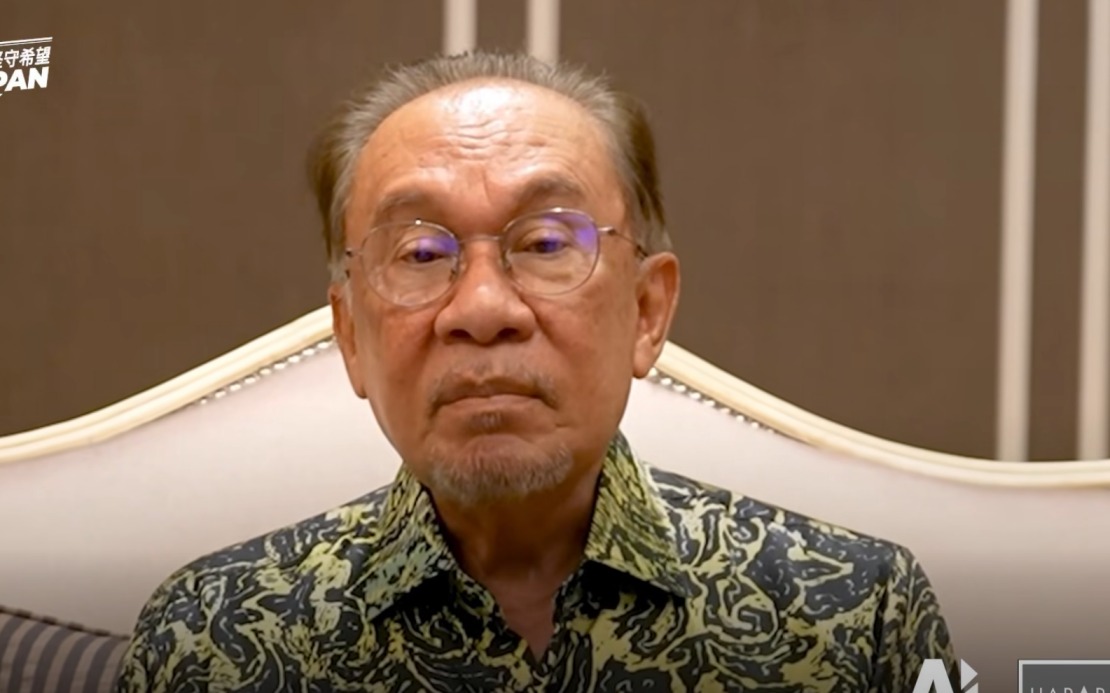
Prime Minister Datuk Seri Anwar Ibrahim has launched a direct appeal to military and police personnel in Negeri Sembilan, asking them to place their confidence in the Pakatan Harapan candidate when they cast their ballots in the upcoming state election. Speaking through a video message posted to social media, the PH chairman framed the electoral decision as an opportunity for security force members to validate the government's commitment to their wellbeing and living standards.
The appeal carries particular significance given the strategic importance of the security forces' voting bloc in state elections. With early polling scheduled for Tuesday, a combined 22,339 military personnel and their families, along with police officers, are eligible to vote at designated centres throughout Negeri Sembilan. This represents a concentrated demographic that election strategists consider influential in determining electoral outcomes, particularly in a state with relatively tight political competition.
Anwar's message centred on tangible welfare improvements that his administration claims to have delivered to both the Malaysian Armed Forces (ATM) and Royal Malaysia Police (PDRM). The Prime Minister specifically highlighted salary enhancements, provision of basic facilities, housing assistance, and educational support for personnel's children. These material concerns resonate deeply within military and police communities, where compensation and service conditions have historically been focal points for organizational morale and political alignment.
Beyond traditional compensation structures, the government has emphasized its cash assistance programmes as evidence of broader commitment to security personnel welfare. Anwar referenced both Sumbangan Tunai Rahmah (STR) and Sumbangan Asas Rahmah (SARA), government transfer schemes designed to provide financial relief to eligible citizens. The inclusion of these programmes in his electoral pitch suggests the administration views them as tangible demonstrations of governing competence and social responsibility that resonate with working families in security sectors.
The timing of this appeal reflects the practical realities of electoral organization in Malaysia. The 16th Negeri Sembilan State Election has been scheduled for August 1, with early voting accommodating personnel unable to participate in general voting. This staggered voting system, while administratively necessary, creates an opportunity for targeted political messaging to specific demographic cohorts. By addressing security forces directly during their early voting period, PH leadership ensures their message reaches an audience whose concerns and priorities may differ from the broader electorate.
Anwar framed the electoral choice as carrying significance beyond state-level governance, positioning Negeri Sembilan's result as a referendum on the federal government's performance and commitment to national priorities. This rhetorical strategy attempts to elevate a state election into a broader validation of PH's national project, encouraging voters to consider how their ballot reflects confidence in the administration's ability to continue improving state conditions while maintaining commitment to federal-level welfare initiatives.
The underlying political calculation reflects PH's recognition that security force communities represent a traditionally significant voting constituency whose preferences can swing marginal state seats. These personnel historically demonstrated distinct voting patterns influenced by organizational cohesion, hierarchical structures, and sensitivity to government policies directly affecting their compensation and working conditions. By explicitly soliciting their support, Anwar signals that PH considers securing this bloc essential to achieving desired electoral outcomes in Negeri Sembilan.
For Malaysian security personnel, this appeal encompasses both immediate self-interest and broader considerations about institutional respect and political recognition. The message suggests that PH views military and police contributions as worthy of specific policy attention and electoral acknowledgment, rather than treating security forces as neutral actors removed from political calculation. This recognition, even if primarily instrumental, carries psychological weight within communities that sometimes feel overlooked by political discourse focused on civilian constituencies.
The appeal also reflects PH's broader strategy of emphasizing material governance and social welfare improvement as the foundation for electoral support. Rather than exclusively relying on opposition criticism or broader anti-corruption narratives, the government increasingly grounds its political messaging in specific policy achievements and targeted assistance programmes. For security personnel, this approach translates into a straightforward proposition: continued PH governance means continued investment in their welfare and conditions of service.
The competitive political environment in Negeri Sembilan adds urgency to PH's mobilization efforts. As a state where electoral margins remain relatively tight and where opposition parties retain considerable organizational strength, security force support can meaningfully influence results. The early voting arrangements provide a structured opportunity to reach this concentrated demographic cohesively, maximizing the efficiency of targeted messaging compared to general campaigning.
Looking forward, the appeal highlights how Malaysian electoral politics increasingly involve detailed targeting of specific constituencies based on their particular policy concerns and vulnerabilities to messaging around service quality and material benefit. This trend suggests future campaigns will continue emphasizing tailored appeals to professional and institutional communities, recognizing that security personnel, civil servants, healthcare workers, and educators represent demographics whose voting behaviour reflects calculations about how government policies affect their lived experiences and professional prospects.

