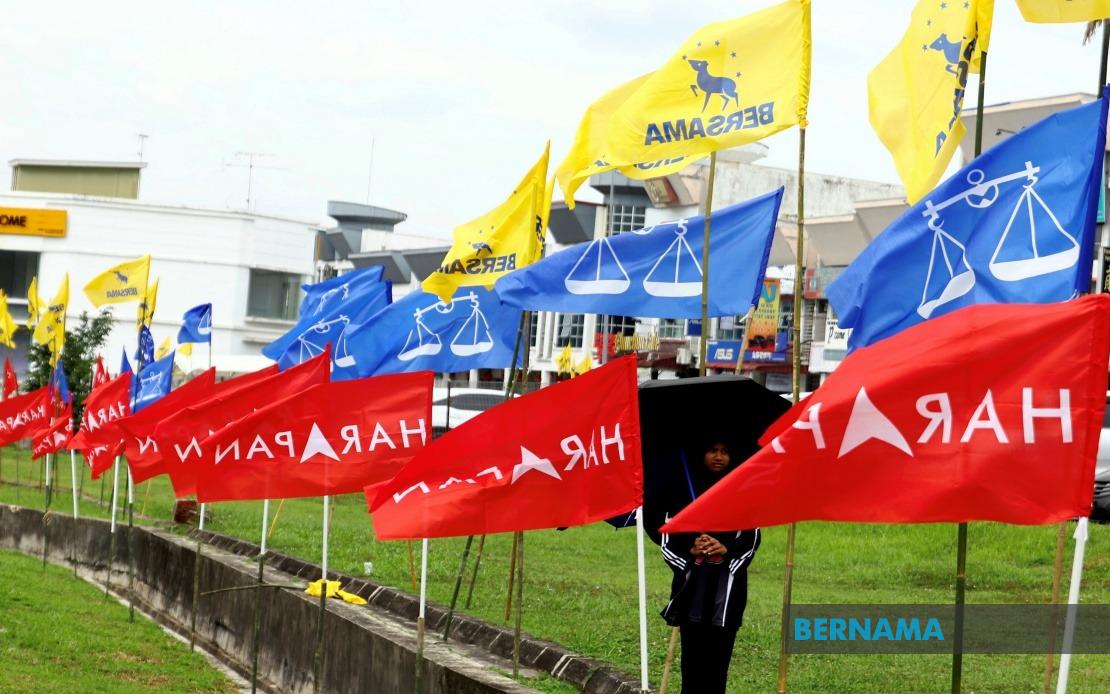
Prime Minister Datuk Seri Anwar Ibrahim has launched a direct appeal to voters in Johor, asking them to entrust Pakatan Harapan with governing the state as the 16th Johor state election enters its final stretch. With polling day scheduled for Saturday, Anwar sought to mobilize support for the opposition coalition by framing the electoral choice as an opportunity to test PH's governance record and economic vision at the state level.
Addressing voters through social media, Anwar articulated the coalition's central campaign message: that Pakatan Harapan possesses both the commitment and capability to prioritize Johor's development and ensure that economic progress benefits all residents equitably. The framing carries particular weight in Johor, a state that has historically voted differently from the federal government, and where voters have demonstrated willingness to switch allegiances based on performance and local governance issues.
The appeal also carried an emotional dimension, with Anwar specifically calling on Johor-born citizens living elsewhere in Malaysia to return home and cast their votes. This targeted outreach reflects the coalition's recognition that diaspora voting patterns—particularly among young professionals and migrants who have relocated to Kuala Lumpur, Selangor, and other states—can significantly influence electoral outcomes in key constituencies. The turnout of absentee voters, particularly in urban-origin communities, has become a strategic factor in recent Malaysian elections.
Enhancing his message, Anwar employed traditional Malay cultural expression by composing a pantun verse to encourage voter participation. The four-line verse referenced Johor's famous laksa cuisine and the state's rich heritage, appealing to regional pride while urging voters to "return home carrying hope" and ensure the state becomes "increasingly prosperous and advanced." This approach demonstrates an effort to connect with voters on cultural and emotional grounds beyond purely policy-based arguments, a technique particularly resonant with older and rural demographics.
The 16th Johor state election represents a significant test for Pakatan Harapan's political viability at the state level. With 172 candidates competing for 56 state seats, the election encompasses a complex political landscape reflecting Johor's diverse socioeconomic composition and multiple competing interests. The state's strategic position as Malaysia's second-largest economy makes it a crucial barometer for federal political fortunes, and victory here could substantially strengthen Anwar's government's legitimacy heading into potential federal elections.
Johor's electoral significance extends beyond immediate state governance concerns. As a major industrial and agricultural hub with substantial port facilities and manufacturing capacity, the state's development trajectory influences broader economic performance across Southeast Asia. Voters are therefore weighing not merely local service delivery but also how different state administrations would coordinate with federal authorities on infrastructure, trade facilitation, and business climate management—considerations that reverberate across the region's supply chains and investment flows.
The coalition's appeal for a mandate reflects acknowledgment that governing a state presents distinct challenges from federal administration. State-level governance directly affects education quality, healthcare delivery, local infrastructure maintenance, and agricultural policy—domains where citizens experience government effectiveness most tangibly. Johor residents can evaluate Pakatan Harapan's administrative competence by comparing its potential stewardship against incumbent governance and neighboring state performance.
Anwar's intervention in the campaign, despite his primary role managing federal affairs, underscores the political stakes involved. The prime minister's personal appeal carries implicit weight regarding federal resource allocation and policy prioritization if PH secures the state mandate. This creates both opportunity and risk: victory would strengthen Anwar's factional within the coalition, while defeat might invite questions about PH's electoral competitiveness and governance model.
The election also tests whether Malaysian voters, after experiencing multiple government transitions since 2018, perceive meaningful differences between competing coalitions beyond personality-driven politics. Johor's historical autonomy in electoral decision-making—the state has supported different governments than the federation in recent decades—suggests voters conduct independent assessments rather than following federal patterns mechanically. This independence makes Johor's outcome unpredictable and valuable as a genuine measure of political sentiment.
As polling day approaches, both Pakatan Harapan and competing coalitions are intensifying ground operations, reflecting the election's competitive nature. Anwar's appeals, whether through conventional messaging or cultural expression, aim to consolidate support among persuadable voters and ensure maximum turnout among coalition supporters. The success of such mobilization efforts will become apparent Saturday, when Johor voters render their verdict on who should govern Malaysia's most economically significant state.

