Pakatan Harapan is set to break its silence on candidate selections for the Negeri Sembilan state assembly race, with Prime Minister Datuk Seri Anwar Ibrahim presiding over the official announcement at Dataran Melang in Kuala Pilah on Tuesday, July 14. The move comes after months of internal deliberation within the coalition and marks a critical milestone as the state heads toward what analysts expect to be a closely contested election in the populous central region.
Negeri Sembilan PKR chairman Datuk Seri Aminuddin Harun confirmed that the candidate roster has been locked in and formally submitted to party leadership. The entire lineup, covering all 36 state constituencies, will be unveiled by Anwar in his capacity as PKR president, underscoring the Prime Minister's personal involvement in shaping the coalition's electoral strategy in what many regard as a bellwether contest for Pakatan Harapan's organisational strength ahead of the next general election.
The seat distribution among coalition partners reflects their agreed formula for contesting the election. PKR will field 16 candidates across the state, consolidating its position as the primary vehicle for Pakatan Harapan in Negeri Sembilan, while the Democratic Action Party will contest 11 seats, capturing strongholds in urban and semi-urban constituencies where the party typically performs strongly. Parti Amanah Negara rounds out the coalition lineup with nine candidates, maintaining the multi-ethnic character that Pakatan Harapan emphasises in its electoral messaging. This arrangement, announced on June 13, reflects careful negotiation to balance party strengths and coalition cohesion.
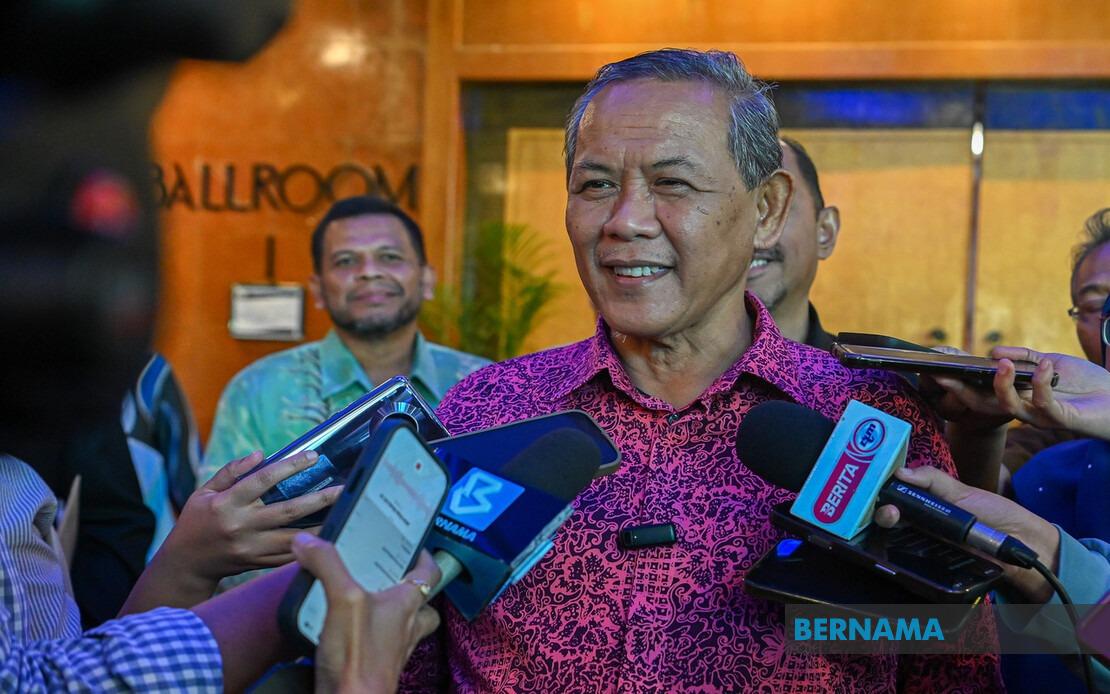
Aminuddin, who simultaneously holds the position of Negeri Sembilan Menteri Besar, has remained coy about his own electoral intentions. Speculation has circulated that he will contest the Linggi state seat, where he currently serves as the assemblyman. When pressed by journalists about whether he would defend his existing seat or shift to another constituency, Aminuddin deflected enquiries and urged patience until the official candidate announcement. His measured response suggests confidence in the electoral position but also reflects the political sensitivities involved when senior figures maintain ambiguity about their personal contests.
The forthcoming announcement comes amid a carefully orchestrated timeline established by the Election Commission. Nomination day is scheduled for July 18, providing candidates with just four days following the announcement to file their papers and formally register with electoral authorities. Early voting has been set for July 28, allowing civil servants, security personnel, and other essential workers to cast ballots before general polling takes place on August 1. This compressed schedule places significant pressure on campaign machinery to mobilise supporters quickly and effectively.
Aminuddin's recent distribution of special grants totalling RM342,000 to 342 Rukun Tetangga units across Negeri Sembilan demonstrates how electoral activity permeates lower levels of governance in Malaysia. These neighbourhood associations, which form the backbone of community organising at the grassroots, receive targeted support as politicians look to build goodwill ahead of voting. The grants underline how state governments leverage administrative resources to reinforce electoral messaging and community ties in periods leading up to major contests.
For Negeri Sembilan specifically, the upcoming contest carries broader significance beyond the state itself. The coalition's performance will be closely monitored as a barometer of its capacity to retain support in mixed urban-rural constituencies and among diverse demographic groups. The state's position as a key transportation and commercial hub connecting the Klang Valley to southern regions makes its political orientation strategically important for national coalition dynamics. A strong showing would bolster Pakatan Harapan's confidence ahead of future electoral challenges, whilst a disappointing result could intensify internal pressures within the coalition.
The decision to hold the candidate announcement ceremony in Kuala Pilah, rather than the state capital of Seremban, deserves note. Kuala Pilah is an interior district with a distinct political character and demographic composition, suggesting that Pakatan Harapan is deliberately positioning itself across multiple constituencies and communities rather than concentrating messaging in urban centres. This geographical choice reflects the coalition's understanding that state elections require geographically dispersed campaign efforts rather than centralised messaging focused on urban voters.
Aminuddin's exhortation to party workers and candidates to prioritise campaign activities and victory preparation signals that internal party deliberations regarding candidates have concluded and the focus has shifted entirely to electoral mobilisation. His public statements emphasise that irrespective of personal aspirations or seat allocations, coalition unity and collective electoral success must take precedence. This messaging is particularly important in multi-party coalitions where disagreements over candidate selection can occasionally fray relationships between partner organisations.
The Negeri Sembilan election represents one of several major state contests scheduled across Malaysia over the coming months, making it a significant data point for understanding voter sentiment and coalition dynamics. Regional observers will be watching closely to assess whether Pakatan Harapan can consolidate support in a state where it currently governs and where its strategic interests are considerable. The candidate announcement on Tuesday will therefore serve not merely as a procedural step but as a substantive political moment that clarifies the coalition's strategic priorities and competitive positioning as it heads into the final weeks of campaigning.

