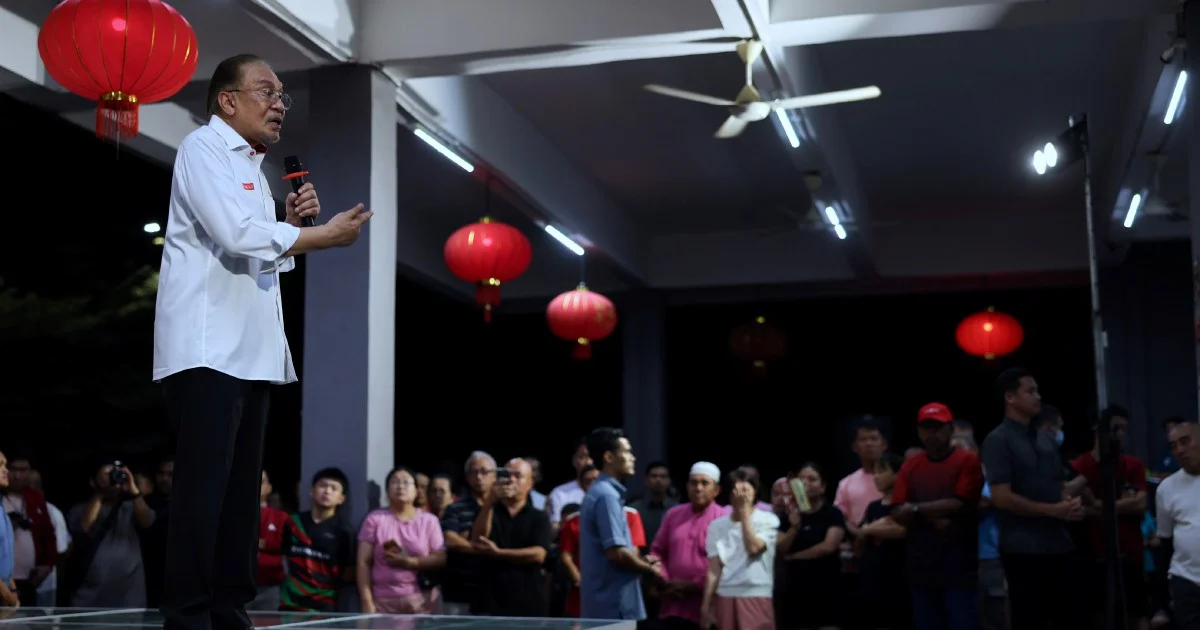
Prime Minister Datuk Seri Anwar Ibrahim has committed to addressing the crisis of deteriorating durian prices during formal discussions with Chinese Premier Li Qiang when he travels to China next month, signalling the government's intention to mobilise diplomatic channels in tackling a commodity crisis affecting the nation's farmers and exporters.
The decision to elevate the durian pricing issue to the level of premier-to-premier discussions underscores how seriously Kuala Lumpur views the current market downturn. Malaysia's durian industry, a cornerstone of export earnings and rural livelihoods particularly in southern states, has been battered by a combination of factors creating a glut that has compressed grower margins to unsustainable levels. By bringing the matter directly to Li Qiang, Anwar is signalling both urgency and Malaysia's belief that Beijing holds significant leverage in addressing demand-side pressures affecting the sector.
China remains Malaysia's most critical durian market by a considerable margin, accounting for the overwhelming majority of Malaysian durian exports and serving as the primary outlet for the nation's premium fruit. The country's affluent middle class has developed an insatiable appetite for the notoriously pungent fruit, transforming it from a niche Southeast Asian delicacy into a mainstream luxury commodity across urban centres from Shanghai to Guangzhou. This dependency on a single export destination has created both opportunities and vulnerabilities for Malaysian producers, particularly when Chinese consumer sentiment or trade dynamics shift adversely.
The timing of this diplomatic initiative reflects mounting pressure on the government from the farming community. Durian growers across Johor, Pahang, Selangor, and other producing states have faced compressing profit margins as export volumes have surged while prices have fallen dramatically. The nationwide glut—driven by record harvests and increased production from competing exporters including Thailand and Vietnam—has created an unprecedented buyer's market that has worked heavily against Malaysian suppliers. Without intervention to stimulate demand or manage supply, many smallholder growers face the prospect of abandoning orchards or switching to less profitable crops.
Anwar's approach reflects the Malaysian government's broader strategy of leveraging diplomatic relationships to support key economic sectors. Rather than relying solely on domestic market interventions or support mechanisms, the administration is attempting to address the root cause of the crisis by negotiating improved market access and conditions with Malaysia's largest trading partner. This diplomatic-commercial hybrid approach recognises that commodity price stability often hinges on factors beyond the producer nation's direct control, particularly when demand originates from a single major economy.
The Chinese Premier's visit agenda will likely extend beyond price discussions to encompass broader trade facilitation measures. Anwar may seek commitments to expedite customs clearance for Malaysian durian shipments, reduce tariff barriers, or establish preferential trading arrangements that would position Malaysian fruit ahead of competitors. Such commercial arrangements, when negotiated at the highest diplomatic level, can prove remarkably effective in redirecting purchasing decisions and market flows, particularly when backed by state procurement mechanisms or preferential consumer marketing campaigns.
Vietnam and Thailand, which have dramatically expanded durian cultivation and export capacity in recent years, have similarly leveraged state visits and diplomatic pressure to maintain market share in China. Thailand's government, through direct state involvement and promotional campaigns, has maintained its durian export volumes despite significant Malaysian and Vietnamese competition. The competitive dynamics in Southeast Asia's durian sector have thus become increasingly tied to the diplomatic capabilities and political relationships of exporting nations with Chinese leadership.
For Malaysian consumers and the broader economy, the resolution of this crisis carries implications beyond the farming community. Durian exports generate substantial foreign exchange earnings and provide employment across the supply chain—from orchard labour to logistics, processing, and export operations. The sector's health directly influences economic activity in major producing states and the livelihoods of hundreds of thousands of people dependent on the industry either directly or indirectly.
The government's willingness to deploy high-level diplomatic engagement also signals a recognition that market forces alone will not resolve the current predicament within acceptable timeframes. Price floors have been breached repeatedly, and without demand stimulation or coordinated supply management, the downward pressure will likely persist through the current harvest season. Beijing's capacity to influence consumer preferences, government procurement policies, or retail pricing mechanisms in China could theoretically shift market dynamics substantially in Malaysia's favour.
Looking forward, Anwar's Beijing discussions may establish a precedent for ongoing high-level engagement on commodity pricing issues, potentially extending beyond durian to other Malaysian agricultural exports facing market pressures. As Southeast Asian nations increasingly compete for Chinese agricultural import quotas and consumer attention, the ability to negotiate effectively at the diplomatic level may become as important as agricultural productivity itself.
The outcome of these discussions will signal whether diplomatic intervention can effectively address commodity market imbalances, or whether structural factors including oversupply and intensifying regional competition will continue to depress returns for Malaysian growers. Malaysian stakeholders will be closely monitoring the results, with significant consequences for agricultural policy direction and government credibility in protecting traditional sectors facing modern market challenges.

