Prime Minister Datuk Seri Anwar Ibrahim announced on Thursday that he would reveal the government's decision regarding Malaysia's possible re-entry into the Formula One racing circuit, with details expected to surface within the coming day. Speaking in Bukit Mertajam, the Prime Minister signalled that negotiations and assessments around this matter had progressed sufficiently to warrant a public disclosure of the administration's position.
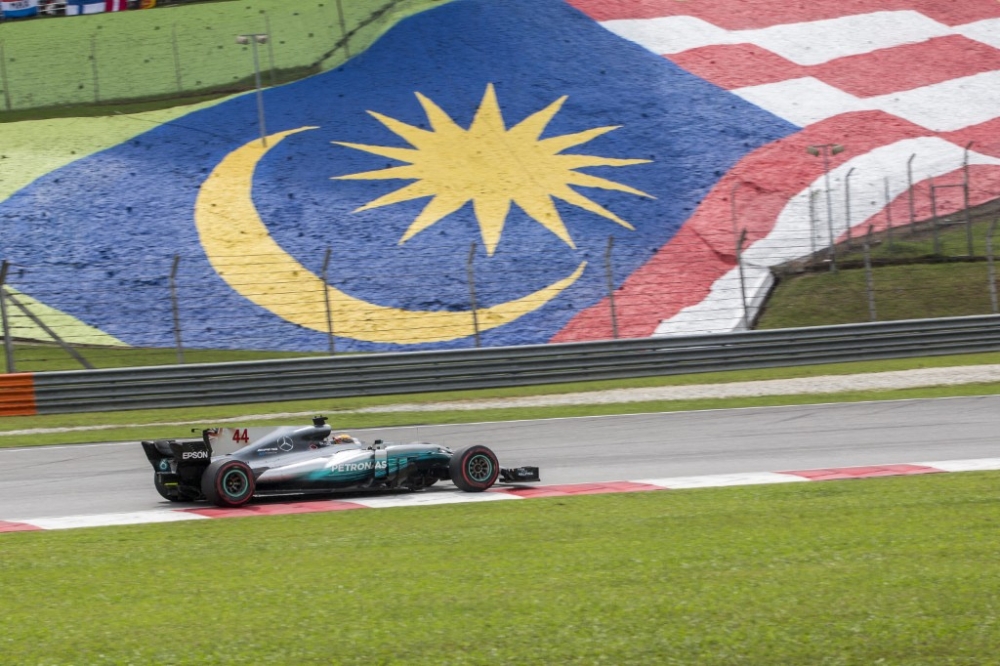
Malaysia has not hosted a Formula One Grand Prix since 2017, when the Sepang International Circuit in Selangor staged the last Malaysian Grand Prix. The absence from the world's premier motorsports championship for nearly a decade has represented a gap in the country's international sporting calendar and raised persistent questions about whether the nation possesses the financial capacity and infrastructure to revive its participation. The decision to step back from hosting the event reflected economic pressures and shifting government priorities during that period.
The prospect of Malaysia's return to Formula One holds considerable significance for Southeast Asia's sporting profile. As the only nation in the region to have previously hosted a Grand Prix on the world championship calendar, Malaysia's potential re-entry would position it as a key motorsports hub in Asia. Singapore continues to operate a night race on the circuit, while other Asian venues including Japan, China, and Thailand have maintained their presence on the annual schedule. A Malaysian comeback would strengthen the region's collective representation in global motorsports.
The Sepang International Circuit, located approximately 60 kilometres south of Kuala Lumpur, was designed specifically to meet Formula One's demanding technical and safety specifications. The facility featured world-class hospitality infrastructure, modern pit facilities, and spectator amenities that earned recognition from Formula One officials and media during its operational years. Whether the circuit would require upgrades or modifications to meet current Formula One standards — which have evolved considerably since 2017 — remains a central consideration in assessing the viability of Malaysia's return.
Financial considerations have historically dominated discussions surrounding Malaysia's Formula One participation. Hosting a Grand Prix demands substantial government investment in event management, security, medical facilities, and promotional activities, alongside fees paid directly to Formula One Management. The event generates significant economic activity through tourism, accommodation, food and beverage sales, and merchandise, yet these revenues must be weighed against the considerable upfront expenditure. Previous editions of the Malaysian Grand Prix attracted international visitors and generated media coverage valued at millions of dollars, benefits that analysts argue justify the investment.
The political dimension of hosting Formula One should not be underestimated. Successfully staging a Grand Prix enhances a nation's international standing, attracts global media attention, and showcases infrastructure capabilities to the world. For Malaysia, pursuing Formula One represents more than a sporting initiative; it signals confidence in the country's economic trajectory and ability to manage large-scale international events. The Anwar administration's apparent willingness to revisit the Formula One question suggests broader confidence in Malaysia's capacity to pursue ambitious development goals.
Regional competition for motorsports events has intensified in recent years. Vietnam briefly attempted to establish a Grand Prix before withdrawing from the calendar, while discussions continue in various Southeast Asian capitals about securing major sporting events. Malaysia's decision carries implications not merely for the nation's sporting profile but for its competitive positioning within the region's broader contest for international investment, tourism, and prestige.
The timing of Anwar's announcement reflects the government's broader agenda around economic revitalisation and attracting high-profile international events. Malaysia has invested heavily in positioning itself as a premium destination for major sporting tournaments, concerts, and conferences. Formula One, as the world's most prestigious motorsports championship, carries particular symbolic weight in these efforts. Success in securing the Grand Prix would complement other recent initiatives to host significant international gatherings.
Stakeholder perspectives on the issue remain diverse. Business communities in Selangor and Kuala Lumpur view Formula One as an opportunity for economic stimulation and tourism growth. Environmental and transport advocates raise concerns about congestion, emissions, and resource allocation. Infrastructure specialists point to opportunities for upgrading transportation networks and facilities if the event proceeds. The government's decision will necessarily balance these competing interests and determine national priorities.
Industry observers note that Formula One's calendar planning occurs years in advance, with venues typically confirmed multiple years before races occur. The timing of Malaysia's potential announcement suggests the government has been engaged in substantive discussions with Formula One Management and has reached sufficient clarity to make a public commitment. Such timelines indicate that if Malaysia proceeds, implementation would likely begin during the current government's term.
The announcement will also carry implications for Malaysia's broader image management. A successful Formula One event would generate sustained international media coverage, attracting global audiences across television, digital, and print platforms. The event would provide platforms for Malaysian officials, businesses, and cultural entities to reach international audiences. Conversely, any decision to proceed requires confidence that Malaysia can deliver a world-class event that meets the rigorous expectations Formula One and its audiences maintain.
For motorsports enthusiasts and industry professionals throughout Southeast Asia, the decision carries particular significance. A Malaysian Grand Prix would provide the region's racing talent with closer access to the world's premier motorsports series, potentially inspiring younger athletes and strengthening the regional motorsports ecosystem. The event would also generate employment across logistics, security, hospitality, and event management sectors.

